Monday, June 24, 2024
Mastering Stability The Essential Balance Exercises for Over 50s
As we age, maintaining balance becomes crucial to our overall health and well-being. Discover the best balance exercises for those over 50 and start feeling more confident in your movement today.
Aging is a natural process, but maintaining your fitness and health into your golden years can make all the difference in your quality of life. While many focus on resistance training and cardio, incorporating balance exercises into your routine is equally crucial. This post will explore why balance exercises are essential, especially after 50, and provide practical tips and exercises to help you stay steady on your feet.
Why Are Balance Exercises Important After 50?
Understanding Balance
Balance is more than just the ability to stand on one leg. It encompasses posture, mobility, flexibility, and strength. These factors work together to help you move confidently and avoid falls. As you age, your sense of balance naturally declines due to changes in muscle mass, joint health, and even inner ear function.
Why Balance Matters
The significance of balance becomes more apparent as you grow older. Good balance reduces the risk of falls, which can lead to serious injuries such as fractures or sprains. It also enhances your overall physical performance, allowing you to engage in various activities with ease. Improved balance contributes to better posture and reduces the strain on your muscles and joints, making everyday tasks more manageable.
Components of Balance
- Strength: The power of your muscles to support and stabilize your body.
- Flexibility: The range of motion of your muscles and joints, contributing to better movement and posture.
- Mobility: The ability to move freely and easily, which is vital for performing daily tasks.
- Posture: Maintaining proper alignment of your body, which minimizes stress on your muscles and joints.
How Do You Know If You Have Balance Issues?
Common Signs of Poor Balance
If you find yourself wobbling when standing still, struggling to walk in a straight line, or frequently experiencing dizziness, these could be signs of balance issues. Other indicators include difficulty rising from a seated position or climbing stairs without using handrails.
Self-Assessment Tests
Conduct simple tests to assess your balance. Try standing on one leg for 30 seconds. If you can’t hold the position, it may indicate a need for balance exercises. Another test is the "tandem stance," where you place one foot directly in front of the other, heel to toe, and try to balance.
When to Seek Professional Help
If you experience frequent falls or severe dizziness, consult a healthcare professional. A physical therapist can provide a detailed assessment and recommend personalized exercises to improve your balance.
The Importance of Posture, Flexibility, Mobility, and Strength in Relation to Balance

Posture and Balance
Good posture ensures that your body’s weight is evenly distributed, reducing the likelihood of falls. It also prevents muscle strain and fatigue. Exercises that strengthen your core, back, and legs can significantly improve your posture and, consequently, your balance.
Flexibility and Balance
Flexibility allows your body to move more freely, which helps in maintaining balance during dynamic movements. Stretching exercises and yoga are excellent ways to improve flexibility, making it easier to recover from a stumble or avoid a fall altogether.
Mobility and Balance
Mobility exercises enhance the range of motion in your joints, making everyday activities like walking or climbing stairs easier. Incorporating mobility drills into your routine can help you maintain an active lifestyle and prevent stiffness.
Strength and Balance
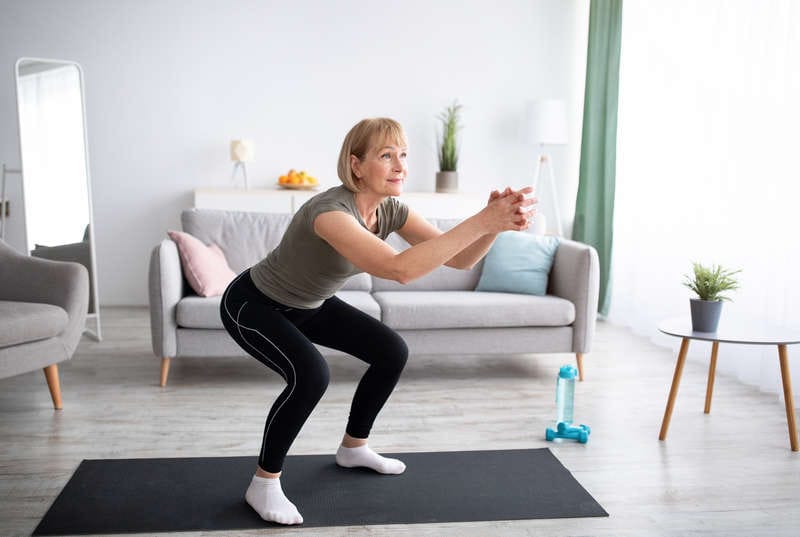
Strength training is crucial for maintaining muscle mass and bone density, particularly as you age. Strong muscles support your joints and contribute to better balance. Focus on exercises that target the lower body, such as squats and lunges, to build the strength needed for stability.
You Need to Do These Balance Exercises
Single-Leg Stance
Stand on one leg while keeping the other knee lifted. Hold the position for 30 seconds, then switch legs. This exercise is simple yet effective in improving your balance and lower body strength.
Heel-to-Toe Walk
Walk in a straight line, placing the heel of one foot directly in front of the toe of the other foot. This exercise helps improve coordination and balance.
Standing March
March in place, lifting your knees as high as possible. This exercise not only improves balance but also strengthens your hip flexors and lower body.
Side Leg Raises
Stand with your feet hip-width apart. Lift one leg to the side, keeping it straight, and hold for a few seconds. Repeat on the other side. This exercise targets your hips and improves lateral stability.
Tai Chi
Practicing Tai Chi involves slow, controlled movements and deep breathing. It’s excellent for enhancing balance, flexibility, and overall well-being.
Yoga
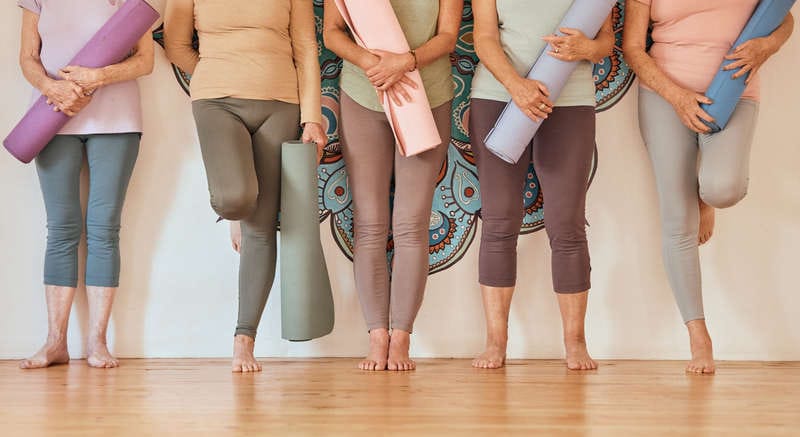
Yoga poses like the Tree Pose and Warrior III are specifically designed to improve balance. Incorporate a few balance-focused yoga poses into your daily routine for the best results.
Balance Board Exercises
Using a balance board can add an extra challenge to your balance training. Start with simple exercises like rocking back and forth and progress to more complex movements as you improve.
Conclusion
Maintaining good balance is essential for a healthy, active lifestyle, especially as you age. By incorporating balance exercises into your fitness routine, you can reduce the risk of falls, improve your posture, and enhance your overall physical performance. Start with the exercises mentioned above and gradually increase their intensity as you gain confidence.
Remember, it's never too late to start working on your balance. If you need personalized guidance, consider booking a session with a fitness expert who can tailor a balance training program to your needs. Stay active, stay balanced, and enjoy the benefits of a healthier, more stable life.

See other posts like this one:
Monday, June 24, 2024
Loosen Up! 7 Essential Hip Flexor Stretches and Exercises for Fitness Enthusiasts

Monday, June 24, 2024
Dance Your Way to Fitness The Ultimate Guide to Hip-Hop Cardio Workouts
Sunday, June 23, 2024
Unleashing Your Hidden Power Understanding Relative Strength in Fitness
Sunday, June 23, 2024
Elevate Your Strength - When You Should Increase Your Weights in the Gym