Wednesday, June 26, 2024
Move Better, Feel Better Understanding Mobility vs Flexibility
Learn the difference between mobility and flexibility, and how improving both can help you move better and feel better in your daily life. Get expert tips to optimize your body's capabilities!
Introduction
Ever wondered why your friend can bend into a pretzel while you struggle to touch your toes? It comes down to two key aspects of fitness that often get mixed up—mobility and flexibility. These terms are not interchangeable; each plays a unique role in how our bodies move and function. Whether you're a senior looking to stay active, a fitness enthusiast aiming for peak performance, or a beginner just starting your exercise journey, understanding the differences between mobility and flexibility can significantly impact your wellness routine.
In this article, we'll break down what mobility and flexibility are, explore their benefits, and provide practical exercises to incorporate both into your workouts. By the end, you'll know exactly how to enhance your body's movement capabilities and why it's essential for your overall health.
What is Mobility?
Mobility refers to the ability of your joints to move freely through their full range of motion without restriction. It involves the interplay of joints, muscles, tendons, and the nervous system working together to allow fluid, controlled movement.
The Importance of Joint Health
When discussing mobility, joint health is paramount. Healthy joints facilitate smooth motion and contribute to overall physical well-being. If your joints are stiff or restricted, your mobility will suffer, making everyday tasks challenging and increasing the risk of injury. Incorporating mobility exercises can help maintain and improve joint health.
Active Movements
Mobility exercises focus on active movements, meaning they require muscle engagement to move a joint through its range of motion. This differs from passive stretching found in flexibility exercises. Active movements help improve strength and stability in addition to enhancing joint range.
Real-Life Applications
Think about how often you squat down to pick something up, reach overhead, or turn your head to check for traffic. These actions all require good mobility. Improving your mobility can enhance your performance in daily activities and athletic endeavors alike, making it a crucial aspect of any fitness routine.
What is Flexibility?
Flexibility, on the other hand, refers to the ability of your muscles to lengthen and stretch. It involves the extensibility of soft tissues like muscles and tendons, allowing joints to move through their range of motion.
Muscle Elasticity
Flexibility is all about muscle elasticity. When your muscles are flexible, they can stretch and lengthen without causing strain or injury. This elasticity is crucial for performing various movements comfortably and safely.
Passive Stretching
Unlike mobility exercises that involve active movements, flexibility exercises often focus on passive stretching. This means holding a stretch for a prolonged period, allowing the muscle to elongate gradually. Passive stretching helps improve the length of muscles, contributing to overall flexibility.
The Role of Flexibility in Injury Prevention
Having flexible muscles can significantly reduce the risk of injuries, especially those related to muscle strains and sprains. Flexibility exercises improve blood flow to muscles, enhance muscle coordination, and promote better posture, all of which contribute to a lower injury risk.
Why Does It Matter?
Understanding the difference between mobility and flexibility is essential for creating a well-rounded fitness routine. Each aspect offers unique benefits that contribute to overall physical health and performance.
Balance and Stability
Good mobility ensures that you have the necessary range of motion to perform movements efficiently, reducing the likelihood of compensatory patterns that can lead to injuries. Flexibility, meanwhile, ensures that your muscles can accommodate the movements required by your joints, further enhancing stability and balance.
Enhanced Performance
Whether you're lifting weights, running, or practicing yoga, both mobility and flexibility play a role in your performance. Mobility allows you to move through exercises with proper form, while flexibility ensures that your muscles can handle the demands placed on them.
Improved Quality of Life
For seniors and beginners, maintaining good mobility and flexibility can significantly impact the quality of life. Simple activities like bending down to tie your shoes, reaching for items on a high shelf, or even walking can become easier and more comfortable with regular mobility and flexibility exercises.

Try These Mobility Exercises
Deep Squats
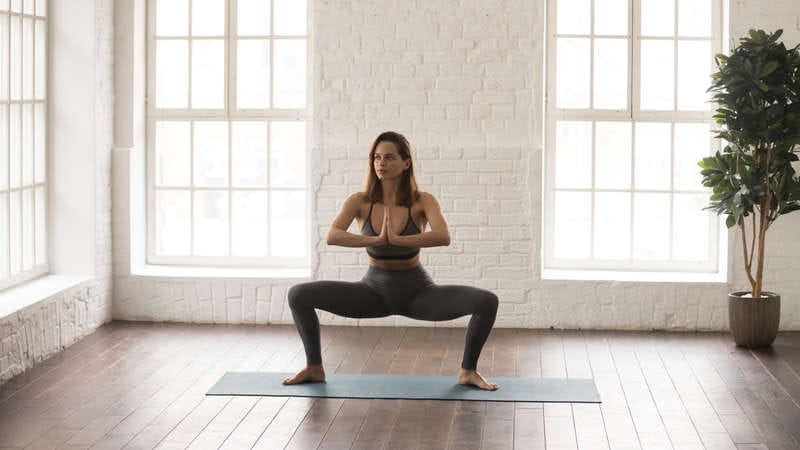
Deep squats are fantastic for improving hip and ankle mobility. Start by standing with your feet shoulder-width apart. Lower your body into a squat, aiming to get your thighs parallel to the ground or lower. Keep your chest up and your heels flat on the floor. Hold for a few seconds before rising back up.
Wrist Stretches
Wrist mobility is crucial for daily activities and various exercises. Extend one arm in front of you with the palm facing up. Use your other hand to gently pull back on your fingers, stretching the underside of your wrist. Hold for 15-30 seconds and switch sides.
Ankle & Knee Lunges
Lunges help improve the mobility of your ankles and knees. Step forward with one leg and lower your hips until both knees are bent at a 90-degree angle. Ensure your front knee is directly above your ankle. Repeat on the other leg.
Hip CARs (Controlled Articular Rotation)
Hip CARs are excellent for enhancing hip mobility. Stand on one leg and slowly lift your other knee towards your chest. Rotate your hip outward, then backward, and finally bring it back to the starting position. Perform the movement slowly and with control.
Over and Backs
This exercise targets shoulder mobility. Hold a resistance band or towel with both hands, keeping it taut. Raise it overhead and slowly bring it behind your back without bending your elbows. Return to the starting position and repeat.
Try These Flexibility Exercises
Crossover Hamstring Stretch
This stretch targets the hamstrings. Stand with your feet hip-width apart and cross one leg over the other. Slowly bend forward at the hips, reaching towards your toes. Hold for 15-30 seconds, then switch legs.
Lizard Pose
The lizard pose is great for hip flexor flexibility. Start in a plank position and bring one foot to the outside of your hand. Lower your hips towards the ground and hold the stretch. Repeat on the other side.
Chest Stretch
To stretch your chest muscles, stand in a doorway and place your forearms on the frame at shoulder height. Lean forward gently until you feel a stretch across your chest. Hold for 15-30 seconds.
Puppy Pose
Puppy pose is a relaxing way to stretch your back and shoulders. Start on all fours and walk your hands forward, lowering your chest towards the floor while keeping your hips high. Hold the position and breathe deeply.
Conclusion
Understanding the difference between mobility and flexibility can significantly enhance your fitness routine and overall quality of life. By incorporating both types of exercises, you can improve joint health, and muscle elasticity, and reduce the risk of injuries. Remember, mobility and flexibility are not just for athletes—they are essential for everyone, from seniors looking to stay active to beginners starting their fitness journeys.
Ready to take the next step? Incorporate these exercises into your routine and feel the difference. If you're looking for personalized guidance, consider booking a session with one of our expert trainers, who can help you tailor a program to your specific needs.

See other posts like this one:

Saturday, June 15, 2024
How to Improve Energy Levels: 10+ Simple Tips for Improve Energy Levels








Friday, June 14, 2024
12 Natural Tips to Improve Your Memory at Any Age12 Natural Tips to Improve Your Memory at Any Age