Saturday, June 22, 2024
Nourish Your Mind and Body with These 10 Foods to Fight Depression and Fatigue
Meta Description: Struggling with depression and fatigue? Try incorporating these 10 foods into your diet to nourish both your mind and body for a healthier, happier you.
Feeling down or drained? You're not alone. In today's fast-paced world, taking care of your mental health is more important than ever. How we feel, think, and act impacts every aspect of our lives—from handling stress and relating to others to making everyday choices. But did you know that what you eat can play a significant role in improving your mental health? By nourishing your body with the right foods, you can help fight depression and fatigue, giving you the energy and clarity you need to face the day.
In this blog post, we'll explore 10 essential foods that can help boost your mood and energy levels. Whether you're a fitness beginner, a wellness seeker, or part of the vegetarian/vegan community, these dietary choices can make a substantial impact on your mental and physical well-being.
Dark Leafy Greens
Nutrient-Packed Powerhouses
Dark leafy greens like spinach, kale, and Swiss chard are nutritional powerhouses. They are rich in folate, which helps produce dopamine—a neurotransmitter associated with pleasure and motivation. Folate deficiency has been linked to depression, so it's essential to include these greens in your diet.
Versatile and Easy to Include
These greens are incredibly versatile and can be easily incorporated into your meals. Add them to salads, smoothies, or even soups and stews. The high fiber content also helps regulate blood sugar levels, providing a steady stream of energy throughout the day.
Antioxidant Benefits
Dark leafy greens are loaded with antioxidants that help combat oxidative stress, a condition linked to both depression and fatigue. By reducing oxidative stress, these greens help stabilize your mood and improve your overall mental health.
Unprocessed Grains
Complex Carbohydrates for Steady Energy
Unprocessed grains like quinoa, brown rice, and oats are excellent sources of complex carbohydrates. Unlike simple carbs, complex carbs provide a slow and steady release of glucose into the bloodstream, helping to maintain stable energy levels and avoid mood swings.
Rich in Fiber and Nutrients
These grains are rich in fiber, vitamins, and minerals, including magnesium—a mineral that plays a crucial role in brain function and mood regulation. A diet low in magnesium has been linked to an increased risk of depression.
Easy Meal Prep
Incorporating unprocessed grains into your diet is easy. They can be the base for various meals, from breakfast bowls and salads to hearty dinners. Cooking them in batches can save you time and ensure you have a nutritious option ready at all times.
Fish and Seafood
Omega-3 Fatty Acids
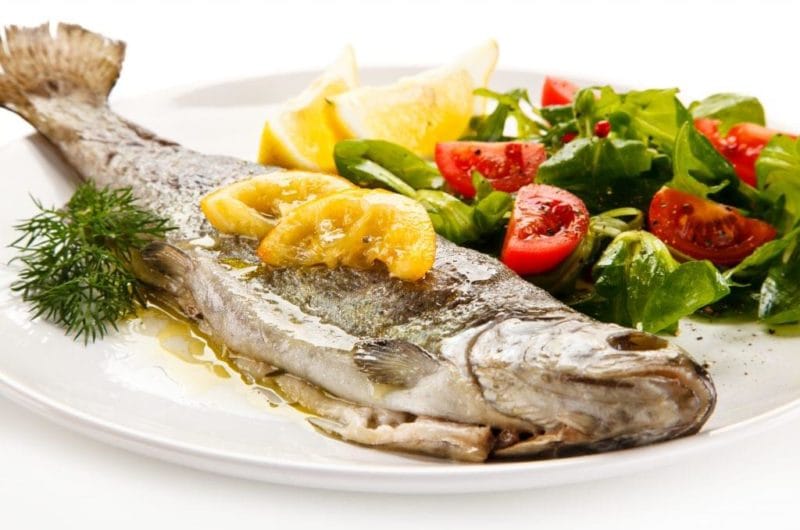
Fish and seafood, particularly fatty fish like salmon, mackerel, and sardines, are rich in omega-3 fatty acids. These essential fats are crucial for brain health and have been shown to reduce symptoms of depression.
Protein and More
In addition to omega-3s, fish and seafood are high in protein, which helps maintain muscle mass and energy levels. They also provide essential vitamins and minerals like vitamin D, which has been linked to improved mood and cognitive function.
Sustainable Choices
Opting for sustainably sourced fish and seafood ensures you're making an environmentally conscious choice. Look for certifications like MSC (Marine Stewardship Council) to guide your purchases.
Fermented Foods
Gut Health and Mental Health
Fermented foods like yogurt, kefir, sauerkraut, and kimchi are rich in probiotics—beneficial bacteria that promote a healthy gut. Emerging research shows a strong connection between gut health and mental health, often referred to as the gut-brain axis.
Mood-Boosting Benefits
By improving gut health, fermented foods can help reduce inflammation and increase the production of neurotransmitters like serotonin, which plays a key role in mood regulation.
Delicious and Diverse
Incorporating fermented foods into your diet can be both delicious and diverse. Enjoy yogurt with fresh fruit, add sauerkraut to sandwiches, or try kimchi as a flavorful side dish.
Nuts
Nutrient-Dense Snacks
Nuts like almonds, walnuts, and cashews are nutrient-dense snacks packed with healthy fats, protein, and fiber. They are also rich in antioxidants and essential minerals like magnesium and zinc.
Brain Health Boosters
Walnuts, in particular, are high in omega-3 fatty acids, which support brain health and reduce symptoms of depression. Zinc, found in cashews, plays a role in regulating mood and preventing depressive symptoms.
Convenient and Portable
Nuts are a convenient and portable snack option. Keep a small bag of mixed nuts in your bag or desk drawer for a quick and nutritious energy boost anytime.

Seeds
Tiny but Mighty
Seeds like chia seeds, flaxseeds, and pumpkin seeds are tiny but mighty when it comes to nutritional benefits. They are rich in omega-3 fatty acids, fiber, and various essential minerals.
Mood and Energy Enhancers
Chia and flaxseeds are excellent sources of alpha-linolenic acid (ALA), a type of omega-3 fatty acid that has been shown to improve mood and energy levels. Pumpkin seeds are rich in magnesium, which helps reduce symptoms of depression and fatigue.
Easy to Add
Adding seeds to your diet is easy. Sprinkle them on salads, blend them into smoothies, or incorporate them into baked goods for a nutritional boost.
Foods High in Tryptophan
The Serotonin Precursor
Tryptophan is an amino acid that serves as a precursor to serotonin, a neurotransmitter that regulates mood, sleep, and appetite. Foods high in tryptophan include turkey, chicken, tofu, and pumpkin seeds.
Improved Sleep and Mood
By increasing serotonin levels, tryptophan-rich foods can help improve mood and promote better sleep, which is crucial for overall mental health.
Versatile Options
These foods are versatile and can be easily incorporated into various meals. Enjoy turkey or chicken in sandwiches and salads, and add tofu to stir-fries and soups.
Antioxidant-Rich Fruits and Vegetables
Combat Oxidative Stress
Antioxidant-rich fruits and vegetables like berries, oranges, and bell peppers help combat oxidative stress, which is linked to depression and fatigue. These foods are also high in vitamins C and E, which support overall brain health.
Variety and Color
Eating a variety of colorful fruits and vegetables ensures you get a wide range of antioxidants and other essential nutrients. Aim to fill half your plate with these vibrant foods at each meal.
Snack and Meal Ideas
Incorporate these fruits and vegetables into your diet by enjoying them as snacks, adding them to salads, or blending them into smoothies for a refreshing and nutritious treat.
Selenium-Rich Foods
The Essential Mineral
Selenium is an essential mineral that plays a role in mood regulation and cognitive function. Foods rich in selenium include Brazil nuts, sunflower seeds, and brown rice.
Mood-Boosting Benefits
Studies have shown that low selenium levels are linked to an increased risk of depression. Including selenium-rich foods in your diet can help boost your mood and overall mental health.
Simple Additions
Incorporating selenium-rich foods into your diet is simple. Enjoy a handful of Brazil nuts as a snack, sprinkle sunflower seeds on salads, or serve brown rice as a side dish.
Foods that Provide Vitamins B12 and B9
Vital Vitamins
Vitamins B12 and B9 (folate) are vital for brain health and mood regulation. Foods rich in these vitamins include eggs, dairy products, leafy greens, and fortified cereals.
Preventing Deficiencies
Deficiencies in these vitamins can lead to symptoms of depression and fatigue. Ensuring you get enough of these nutrients through your diet can help prevent these issues.
Delicious and Nutritious
Enjoy eggs for breakfast, add leafy greens to salads, and choose fortified cereals to ensure you're getting enough vitamins B12 and B9 in your diet.
Putting It All Together
Balanced and Mindful Eating
Creating a balanced and mindful eating plan that includes these 10 foods can help you fight depression and fatigue. Focus on incorporating a variety of nutrient-dense foods into your meals and snacks.
Simple Meal Planning Tips
Plan your meals ahead of time to ensure you have all the ingredients you need. Batch cooking and prepping can save you time and make it easier to stick to a nutritious diet.
Explore and Experiment
Don't be afraid to explore and experiment with new foods and recipes. Eating well can be an enjoyable and rewarding experience.
Conclusion
Taking care of your mental health starts with nourishing your body with the right foods. By incorporating these 10 foods into your diet, you can help fight depression and fatigue, giving yourself the energy and clarity you need to thrive. Remember, small changes can make a big difference. Start today and experience the benefits of a healthier, happier you.
For personalized guidance on optimizing your diet and lifestyle, consider booking a session with one of our wellness experts. They can help you create a tailored plan that meets your unique needs and goals. Here's to better mental and physical health!

See other posts like this one:





Friday, July 12, 2024
Wholesome Delight with Every Bite The Ultimate Guide to Making Rosemary Quiche




Thursday, July 11, 2024
Elevate Your Dinner Table with Sausage and Sage Meatloaf with Orange Zest


Thursday, July 11, 2024
Scrumptious Scrambled Cinnamon and Cream Cheese Eggs for Low-Carb Lovers

Thursday, July 11, 2024
Satisfy Your Takeout Cravings with Homemade Sesame sesame-broiled chicken Thighs