Sunday, June 01, 2025
Olive Oil vs. Avocado Oil vs. Coconut Oil: Which One’s Best?
Discover the key differences between olive oil, avocado oil, and coconut oil. Learn which is healthiest, best for cooking, and how to spot fake oils on store shelves.
When it comes to cooking oils, not all fats are created equal. Let’s start with what not to use: processed vegetable oils like corn, soybean, sunflower, canola, and cottonseed oil. These are high in omega-6 fats, promote inflammation, damage DNA, and are linked to cancer and chronic disease. So they’re out.
Now let’s break down three healthy fats that deserve a spot in your kitchen: olive oil, avocado oil, and coconut oil.
Why Monounsaturated Fats Matter
Both olive oil and avocado oil are rich in monounsaturated fatty acids (MUFAs), especially oleic acid. These fats are:
- Stable for cooking (unlike fragile polyunsaturated fats).
- Supportive of immune health and DNA protection.
- Linked to lower LDL ("bad") cholesterol and higher HDL ("good") cholesterol.
- Shown to protect blood vessels, lower blood pressure, and reduce inflammation.
- Help manage type 2 diabetes by reducing insulin resistance.
- Support fat loss by improving metabolic efficiency.
Research shows that just 2 tablespoons of olive oil a day can significantly improve cholesterol ratios.
The Antioxidant Advantage
Both oils also pack antioxidants like chlorophyll, carotenoids, and polyphenols (such as tyrosol, hydroxytyrosol, and oleuropein). These compounds:
- Combat oxidative stress and free radicals.
- Offer anti-cancer and anti-inflammatory effects.
- Improve nutrient absorption when cooking with vegetables.
Olive Oil vs. Avocado Oil: Head-to-Head
Olive oil is ancient, traditionally Mediterranean, and often made from cold-pressed olives. Avocado oil is a newer favorite, made from the fleshy fruit, and widely grown in Mexico, the U.S., and New Zealand.
Similarities:
- Both are best when cold-pressed and unrefined.
- Both contain similar healthy fats and vitamins.
- Both are great for skin and eye health.
Differences:
- Olive oil has a distinct flavor and is ideal for salads or finishing dishes.
- Avocado oil is milder and better for high-heat cooking (smoke point ~480°F vs. olive oil's 375–400°F).
- Olive oil has a slight edge in antioxidant content and research backing.

Buying the Real Thing
How to Choose Good Olive Oil:
- Look for “extra virgin” and check for harvest dates.
- Buy from reputable sources, ideally with certification seals like COOC (California) or NAOOA.
- It should smell fresh—grassy, peppery, slightly bitter.
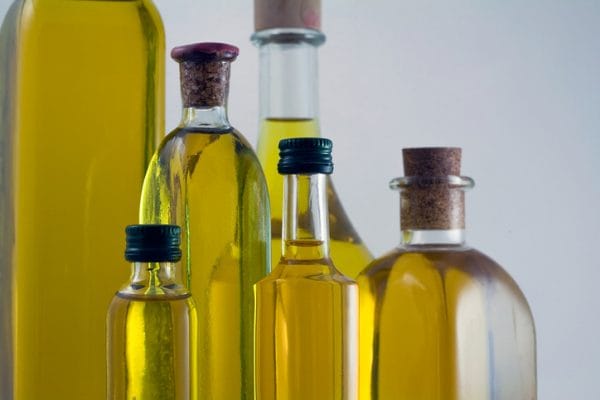
- Choose dark glass bottles to protect against oxidation.
- Don’t go for the cheapest bottle—quality matters.
How to Choose Good Avocado Oil:
- Buy cold-pressed or expeller-pressed, not chemically extracted.
- Avoid oils without clear harvest or production dates.
- Look for oils from Hass avocados, ideally organic.
- It should taste buttery and fresh, not like Play-Doh.
- Again, choose dark bottles and avoid bargain brands.
What About Coconut Oil?
Coconut oil is different. It’s mostly saturated fat—about 90%—which makes it extremely stable for cooking. It’s solid at room temp and extracted from coconut meat.
Key benefits:
- Contains medium-chain triglycerides (MCTs) like caprylic, capric, and lauric acid.
- MCTs are quickly burned for energy, not stored as fat.
- Boosts metabolism and supports thyroid function.
- Has antibacterial, antiviral, and antifungal effects.
- Helps with gut health, bone density, brain function, and even arthritis.
Coconut oil has a lower smoke point (~350°F), so it’s good for baking or low-medium heat cooking. Use virgin, unrefined, organic coconut oil for the full benefits.
Note: Some people with nut allergies may react to coconut oil.
Final Verdict
All three oils—olive, avocado, and coconut—have strong health benefits. The best one for you depends on how you use it:
- Avocado oil: Best for high-heat cooking and has a neutral taste.
- Olive oil: Best as a finishing oil or for low-medium heat cooking.
- Coconut oil: Great for baking, smoothies, and long-lasting energy.
Warning on Fake Oils
Many oils—especially olive and avocado—are adulterated or mislabeled. Over 70% of olive oil sold in the U.S. may not be authentic. Stick with trusted brands, check the labels, and follow the tips above to avoid wasting money—and risking your health.

See other posts like this one:

Saturday, June 15, 2024
How to Improve Energy Levels: 10+ Simple Tips for Improve Energy Levels







Friday, June 14, 2024
12 Natural Tips to Improve Your Memory at Any Age12 Natural Tips to Improve Your Memory at Any Age