Wednesday, June 05, 2024
Pancakes or Waffles: Which Breakfast Staple Is Healthier?
Are you struggling to choose between pancakes and waffles for your breakfast? Find out which one is the healthier option and make an informed decision for your morning meal.
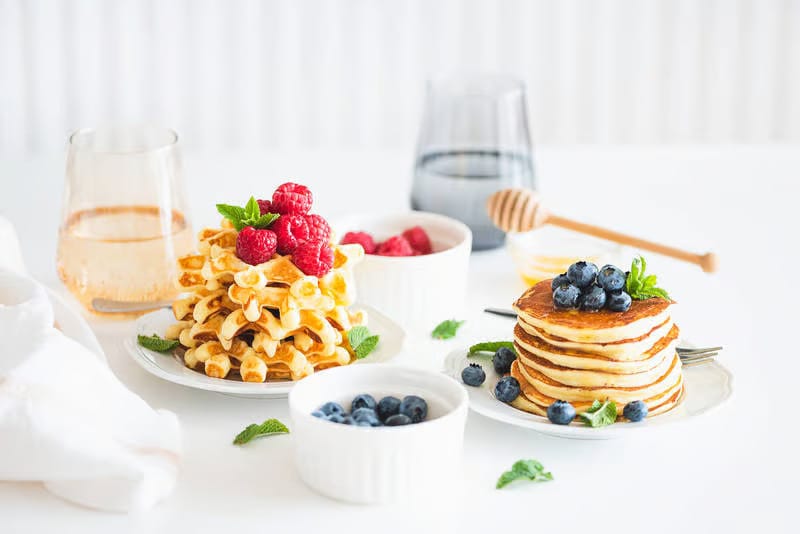
When it comes to the breakfast table, few debates are as tantalizing as the clash between two starchy delights: pancakes and waffles. These carb-loaded contenders have been duking it out for the title of "Ultimate Breakfast Champion" for decades, and the battle remains as fierce as the sizzle of a fresh griddle. But beyond syrupy toppings and golden-brown perfection lies a question that transcends taste – which one is healthier?
In this comprehensive exploration, we'll flip, drizzle, and sprinkle our way through the nutritional profiles of pancakes and waffles, uncovering the subtle differences that might just tip the scales in the favor of your diet and health goals. Whether you're a fitness fanatic, a health guru, or simply someone eager to make the most informed breakfast decisions, this detailed analysis will provide you with the buttery truth.
Comparing the Essentials
Before we can savor the nuances of flavor and nutrition, it's important to analyze the core components of pancakes and waffles. At their most fundamental, both are fairly simple mixtures of flour, eggs, and milk, often leavened with baking powder or baking soda to create their characteristic fluffiness.
Pancakes: A Traditional Favorite
Pancakes, as many of us know them, are often made with all-purpose or wheat flour. The batter is typically thin, resulting in a flat, round disk when cooked. The simplicity of pancakes makes them an ideal canvas for indulgent toppings like syrup, fruit, and even chocolate.
Waffles: A Texture with Crisp Appeal
Waffle batters often contain a higher fat content, thanks to the addition of oil or melted butter. This, combined with a thicker batter, helps waffles achieve their classic texture – a crispy exterior with a soft, pillowy inside. Their trademark grid pattern isn't just for show; it allows the maximum surface area to be lathered in sweetness.
The Battle of the Macros
To determine the health value of our breakfast contenders, we'll need to dissect their macronutrient content – carbohydrates, proteins, and fats.
Carbohydrates: The Energy Providers
Both pancakes and waffles are primarily carbohydrate-rich. These complex carbs provide a steady source of energy but can come with varying levels of fiber, which is crucial for regular digestion and satiety.
Pancakes
The simple nature of pancakes often means a refined flour that can spike blood sugar levels. However, whole-grain options offer more fiber, slowing the absorption of sugars into the bloodstream.
Waffles
The inclusion of fat in waffles can slightly reduce their carbohydrate content per serving, but the difference is often negligible. Waffles made with whole-grain batter can offer a similar fiber content to whole-grain pancakes.
Proteins: Building Blocks for Health
Eggs and milk are leading sources of protein in both pancakes and waffles. Proteins are essential for muscle repair and growth, and they also play a role in maintaining a strong immune system.
Pancakes
Standard pancake recipes include around two eggs for every cup of flour, providing a moderate protein punch.
Waffles
Waffles usually contain a slightly higher proportion of eggs or milk, resulting in a marginally higher protein content. This can be beneficial for those who require more protein in their diet, especially in the morning.
Fats: More Than Just Flavor
The fats in pancakes and waffles contribute to the richness of flavor and texture, but they also carry a significant portion of the calories, as fats are more calorie-dense than carbs and proteins.
Pancakes
Pancakes can be made with minimal added fat if cooked on a non-stick surface or griddle. The fat content mainly comes from the eggs and any oil or butter used in the batter.
Waffles
Waffles typically require more fat in the form of butter, oil, or in some recipes, even whipped cream. While this adds to the palatability, it also means an uptick in calorie count.

Focusing on Vitamins and Minerals
Beyond energy, vitamins and minerals are crucial for overall health. While not as dominant as macronutrients, they are still significant contributors to the health factor.
Pancakes and Waffles
Both of these breakfast options include varying amounts of vitamins like B vitamins from the eggs and milk, as well as minerals such as iron and calcium. The use of whole grains, in particular, can boost their nutrient profiles considerably.
Key Considerations
When choosing between pancakes and waffles, the type of flour used can greatly impact the vitamin and mineral content. Whole-grain options are superior due to their higher fiber content and micronutrient density.
The Influence of Toppings
No stack of pancakes or waffles is complete without a splash of syrup or an artful arrangement of fruits. These toppings add both nutrition and, often, a significant calorie load to our breakfast.
Sweet Syrups
Traditional maple syrup is a natural sweetener but is high in sugar. However, recent years have seen a boom in alternative sweeteners such as agave and fruit syrups, offering different nutritional profiles.
Fruits and Nuts
Toppings like berries and nuts bring a load of antioxidants, vitamins, and healthy fats to the table. Choosing these can greatly enhance the nutritional value of your breakfast, while also adding fiber for a more satisfying meal.
Untraditional Options
Toppings like whipped cream, chocolate chips, and even ice cream bring excitement to the plate but also significantly raise the calorie content. They should be considered more of an occasional treat than a regular addition.
Considering Overall Health Impact
While a single meal choice won't severely impact your health, it's important to consider how pancakes and waffles fit into your overall diet and health goals.
Indulgence vs. Nutrition
Pancakes and waffles can be part of a balanced diet. It's all about finding a middle ground – perhaps opting for healthier versions most of the time but indulging in the classic treats occasionally.
Healthier Preparation
Choosing to make your breakfast at home gives you control over the ingredients and preparation methods. Whole-grain flours, natural sweeteners, and limited added fats are just a few ways to enhance the healthfulness of your morning meal.
Portion Control
The portion size of your pancakes or waffles can make a significant difference. Keep portions in check to avoid overeating and unnecessary calorie consumption.
The Verdict
The question of which is healthier, pancakes or waffles, doesn't have a black or white answer. It depends on a variety of factors, from the ingredients used in the batter to the toppings you choose and your overall dietary needs.
For those focused on maintaining a lower-calorie intake and stabilizing blood sugar levels, whole-grain pancakes might offer a slight edge. However, waffles with appropriate modifications can be just as good a challenger.
In the end, both breakfast options have their place on the table. It's the conscious decisions you make around their preparation and serving that will lead to a truly healthy breakfast.
Recipe for Success
For those ready to put health on the menu without sacrificing flavor, here are two recipes – one for pancakes and one for waffles – with optimized nutritional profiles.
Whole-Grain Pancakes
- Pinch of salt
- 1 teaspoon vanilla extract
- 1 egg or a flaxseed + water mixture for a vegan alternative
- 1 cup unsweetened almond milk
- 1/2 teaspoon baking soda
- 1 teaspoon baking powder
- 1 tablespoon honey or pure maple syrup1 cup whole-grain flour
Mix all dry ingredients first, then add wet ingredients. Combine until just mixed – lumps are okay. Cook on a non-stick pan with minimal oil if necessary.
High-Protein Waffles
- Stevia or sweetener of choice to taste
- 1 teaspoon vanilla extract
- 2 tablespoons natural nut butter
- 2 eggs or a flaxseed + water mixture for vegan alternative
- 1 cup unsweetened almond milk
- 1/4 teaspoon salt
- 1/2 teaspoon cinnamon
- 1 teaspoon baking powder
- 1 scoop (around 25 grams) of vanilla protein powder1 cup oat flour
Combine all dry ingredients first, then add wet ingredients. Cook according to your waffle iron's instructions.

See other posts like this one:






Thursday, November 14, 2024
Understanding GLP-1 and Natural Ways to Boost It for Weight Management