Sunday, June 16, 2024
Preventing Nature Deficit Disorder
Learn about the importance of nature in a child's development and how parents and educators can prevent nature deficit disorder with these practical tips.
During winter, many of us remain indoors, with artificial light filling our days. Rushing from door to car to work or store, we risk Nature Deficit Disorder®—a concerning issue affecting mental and physical health.
Not yet medically recognized, this condition has serious repercussions. Amid daily distractions, we miss the wonders of nature around us, from urban wildlife to healing green spaces.
Coined by Richard Louv in 2005, "Nature Deficit Disorder" highlights our detachment from the outdoors. This disconnect leads to poor moods, reduced attention spans, and health issues like obesity and depression.
Children suffer most; lack of outdoor play affects their well-being and development. Time spent in nature is crucial for mental health and cognitive abilities. Studies show a direct link between less outdoor time and nearsightedness in children.
Access to green spaces lowers heart rate, reduces violence, and even prolongs life. Embracing nature enriches our physical and mental well-being while fostering a deeper connection to the environment around us.
Embrace the Outdoors for Health and Wellness
Reconnecting with nature is easier than you think—it's a growing trend. Health experts Tim Skwiat and Andrew Huberman suggest spending 5 to 30 minutes outside in the morning sunlight (within an hour of waking) to regulate your circadian rhythm, boost energy, and improve sleep quality. Afternoons outdoors expose you to red and orange light, setting the stage for restful nights.
Stepping outside positively impacts cortisol levels, enhancing mood, energy levels, immune function, and stress resilience.
Even in limited outdoor spaces, creating a green sanctuary can attract wildlife like bees and butterflies. A small garden fosters nature appreciation, mental well-being, and fresh air intake.
Public parks, fields, and gardens provide ample opportunities for outdoor activities that bridge the gap between urban life and nature's wonders. Interacting with any natural setting offers benefits—whether observing insects from your porch or hiking through forests.
Though winter is approaching in many regions, staying indoors more often can lead to reduced outdoor time for both adults and children.

Embrace the Cold: How to Dress for Winter Adventures
Discover the Scandinavian approach: "There’s no such thing as bad weather, only bad clothing." Dive into the frosty outdoors with strategic layering tips that keep you warm and dry in winter wonderlands. From moisture-wicking base layers to insulating fleece and breathable outer shells, gear up for cold-weather escapades tailored to your activity level. Top it off with hats, gloves, and goggles for ultimate protection.
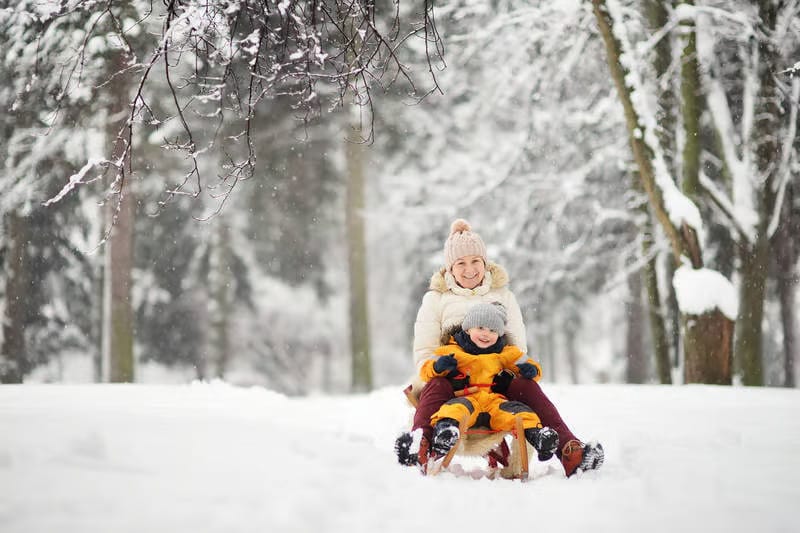
With the right attire, explore a variety of outdoor activities – from scenic hikes and snowshoeing to skiing and ice skating. Don't let the chill stop you! Engage in winter games like snowball fights or get cozy with hot chocolate on a sled ride. Bring along family or friends for added fun as you enjoy nature's snowy playground.
For milder days, opt for active pursuits like walking or bird watching. Stay engaged and invigorated outdoors even when the temperatures drop. So gear up, step out, and make lasting memories in the midst of cold weather bliss!
Stay Safe Outdoors in Winter
Whether you're a seasoned outdoor enthusiast or new to adventures, prioritizing safety is key – especially in cold and snowy conditions. Here are some essential tips to make your winter outings enjoyable and secure:
- Be alert to sudden weather changes and ensure you have the necessary gear for different conditions.
- Stay well-hydrated but avoid dehydrating drinks like alcohol or excessive caffeine.
- Stay informed about avalanche risks and take relevant safety courses beforehand.
- Wear sturdy footwear with traction to prevent slips, and consider using ice cleats on icy surfaces.
- Protect extremities from frostbite by wearing appropriate gear.
- Know where to find quick warmth if needed.
- Monitor your body for signs of cold-related issues; seek shelter if necessary.
- Travel with a companion or group, especially in unfamiliar areas.Share your plans with someone and establish a return time.
In winter, it's vital to prioritize safety during outdoor pursuits. Nature can offer remarkable benefits regardless of the season, boosting both physical and mental well-being while providing opportunities for adventure!

See other posts like this one: