Tuesday, July 02, 2024
Reclaiming Mobility with These 9 Exercises for Knee and Hip Pain
Say goodbye to chronic pain and hello to a healthier, more mobile you with these nine effective exercises for knee and hip pain relief. Start feeling better today!
Achieving pain-free movement is a common goal for those experiencing knee and hip discomfort. Whether the pain arises during walking, running, climbing stairs, sitting, or standing, it can be frustrating. The good news is that you don't have to abandon your exercise routine. With targeted exercises, you can alleviate pain and get back on track quickly.
In this blog post, we'll explore the causes of knee and hip pain, the role of the IT band, and our top nine exercises designed to relieve discomfort. By incorporating these exercises into your routine, you'll be well on your way to improved mobility and reduced pain.
What Causes Knee and Hip Pain?
Understanding the root of knee and hip pain is crucial for effective treatment. Common causes include overuse, injuries, arthritis, and even poor posture. When the muscles surrounding these joints are weak or tight, they can contribute to pain.
Overuse is often seen in athletes or individuals who engage in repetitive activities. This can lead to inflammation and pain. Injuries from falls, accidents, or sudden movements can also result in knee and hip issues. Conditions like osteoarthritis and rheumatoid arthritis cause joint inflammation and pain as well.
Proper diagnosis by a healthcare professional is essential to determine the exact cause of your pain. Once identified, you can take steps to address it through targeted exercises and other treatments.
The IT Band and Its Role in Joint Pain
The iliotibial (IT) band is a thick band of tissue that runs along the outside of your leg, from your hip to your knee. It plays a significant role in stabilizing both the hip and knee joints. However, when the IT band becomes tight or inflamed, it can cause pain in these areas.
IT band syndrome often affects runners and cyclists. It results from repetitive friction of the IT band against the outer knee, causing irritation and inflammation. Stretching and strengthening the muscles around the IT band can help alleviate this pain.
By focusing on exercises that target the IT band and surrounding muscles, you can reduce inflammation and improve joint function. This approach is essential for long-term pain relief.
Try These Exercises for Knee and Hip Pain
Now that we understand the causes of knee and hip pain, let's look at some effective exercises to alleviate it. Incorporate these exercises into your routine to experience relief and improved mobility.
1. Lying Knee Bend Hip Openers
Lying knee bend hip openers are excellent for increasing flexibility in the hip joints. Start by lying on your back with your knees bent and feet flat on the floor. Slowly bring one knee toward your chest, holding it with both hands.
Gently open your knee outward, feeling the stretch in your hip. Hold this position for 20-30 seconds before returning to the starting position. Repeat on the other side. Perform this exercise 3-5 times on each leg.
This exercise helps to release tension in the hip flexors and improve the range of motion. It's particularly beneficial for those who experience stiffness after prolonged sitting.
2. Glute Bridges
Glute bridges are a powerful exercise for strengthening the glutes and lower back. Lie on your back with your knees bent and feet flat on the floor. Place your arms at your sides with palms down.
Press through your heels to lift your hips off the ground, creating a straight line from your shoulders to your knees. Squeeze your glutes at the top and hold for a few seconds before lowering back down. Repeat this exercise 10-15 times.
Strong glutes take pressure off the hips and knees, reducing pain and improving stability. This exercise is a must for anyone looking to alleviate joint discomfort.
3. Excellent Thigh and Hip Stretches
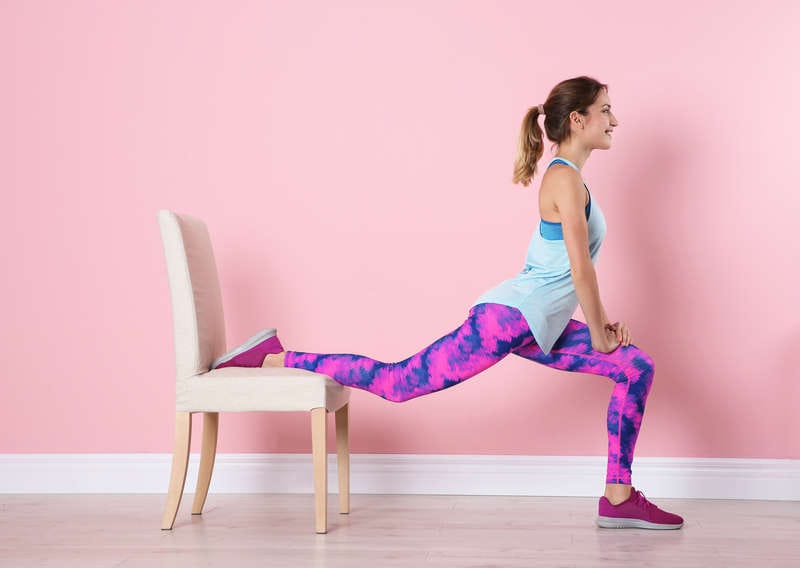
Stretching the thighs and hips can significantly reduce pain and improve flexibility. Stand with your feet hip-width apart and step one foot back, keeping both heels on the ground.
Bend your front knee while keeping your back leg straight. You should feel a stretch in your hip flexor and thigh. Hold this position for 20-30 seconds before switching sides. Repeat this stretch 3-5 times on each leg.
Incorporating these stretches into your daily routine can help reduce stiffness and prevent injuries. They are particularly beneficial after long periods of inactivity.
4. Leg Extensions
Leg extensions target the quadriceps, the muscles at the front of your thighs. Sit on a chair with your feet flat on the floor. Slowly extend one leg out in front of you, straightening it as much as possible.
Hold the extended position for a few seconds before slowly lowering your leg back down. Repeat this exercise 10-15 times on each leg. Leg extensions strengthen the quadriceps, which support the knee joint and reduce pain.
This exercise is simple yet effective, making it an excellent addition to any fitness routine. It's especially helpful for those recovering from knee injuries.

5. Bodyweight Squats
Bodyweight squats are a fundamental exercise for building lower body strength. Stand with your feet shoulder-width apart and your toes slightly turned out. Lower your body as if you're sitting back into a chair, keeping your chest up and knees behind your toes.
Go as low as you can while maintaining good form, then push through your heels to return to the starting position. Perform 10-15 repetitions. Squats strengthen the quads, hamstrings, and glutes, all of which support knee and hip function.
Adding squats to your workout routine helps improve overall lower body strength and stability. They are a versatile exercise that benefits both beginners and advanced fitness enthusiasts.
6. Crossover Forward Folds
Crossover forward folds target the hamstrings and lower back. Stand with your feet hip-width apart and cross one foot over the other. Slowly bend at the hips, reaching your hands toward the floor.
Hold the stretch for 20-30 seconds before returning to the starting position. Repeat with the other leg crossed over. Perform this stretch 3-5 times on each side.
This exercise helps release tension in the hamstrings and lower back, improving flexibility and reducing pain. It's particularly beneficial for those who experience tightness from prolonged sitting.
7. Elliptical Trainers
Using an elliptical trainer provides a low-impact cardiovascular workout that is gentle on the joints. The smooth gliding motion reduces stress on the knees and hips while still offering an effective workout.
Incorporate the elliptical into your fitness routine for 20-30 minutes, 3-4 times a week. This exercise helps improve cardiovascular health and strengthens the lower body without causing joint pain.
Elliptical trainers are an excellent option for those looking to maintain their fitness levels while managing knee and hip pain. They provide a safe and effective way to stay active.
8. Exercise Bikes
Like elliptical trainers, exercise bikes offer a low-impact workout that is easy on the joints. Cycling helps strengthen the quads, hamstrings, and glutes, all of which support knee and hip function.
Use an exercise bike for 20-30 minutes, 3-4 times a week. Adjust the resistance to match your fitness level and gradually increase it as you build strength.
Exercise bikes are a convenient and effective way to stay active while managing joint pain. They are suitable for individuals of all fitness levels.
Conclusion
Knee and hip pain can be a significant barrier to maintaining an active lifestyle. However, with the right exercises, you can alleviate pain and improve your overall mobility. By incorporating these nine exercises into your routine, you'll strengthen the muscles around your joints, reduce inflammation, and enhance your flexibility.
Remember, consistency is key. Regularly performing these exercises will yield the best results. If you're unsure where to start or need personalized guidance, consider consulting a physical therapist or fitness professional.
Start your journey to pain-free movement today. Incorporate these exercises into your routine and experience the benefits of improved joint health. For more tips and personalized plans, [book a session with our experts]. They can help you tailor your fitness routine to your specific needs and goals.
Stay active, stay healthy, and reclaim your mobility with these effective exercises for knee and hip pain.

See other posts like this one:

Saturday, March 01, 2025
Transforming from the Inside Out: The Inspiring Journey of Danielle Edwards


Saturday, March 01, 2025
The Power of Optimism: How a Positive Mindset Boosts Health and Happiness






Friday, February 28, 2025
Slow Motion Strength Training: The Power of 10 for Maximum Results