Saturday, June 15, 2024
Red Light Therapy for Skin: Benefits & Downsides
Discover the amazing benefits and potential downsides of red light therapy for your skin. Is it worth trying? Find out in our comprehensive guide.
In an ever-evolving wellness landscape, where the newest health and beauty trends sparkle like constellations in the vast digital universe, red light therapy has emerged as a star on the rise. Known for its potential benefits to the skin, this non-invasive treatment is making a luminous impact on the skincare industry. But while it shines with promise, it is important to understand both the radiance and the shadows of this therapy.
Red Light Therapy for Skin: What Is It?
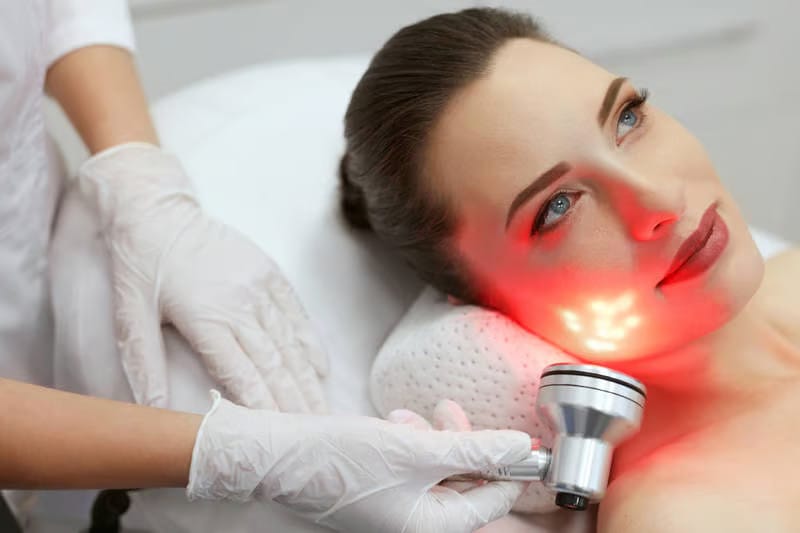
Red light therapy (RLT) involves delivering specific wavelengths of natural red light to the skin to imitate the rejuvenating effects of sunlight. Unlike ultraviolet (UV) light, which can be damaging, red light is believed to have healing properties that promote cellular repair and rejuvenation.
Where Did Red Light Therapy Originate?
Rooted in the depths of ancient Egypt, red light therapy echoes practices that harnessed the power of sunlight for health benefits. It's said that ancient Egyptians used sunlight exposure to treat various afflictions. However, the modern application of RLT has its origins in space travel. Research conducted by NASA in the 1990s found that RLT could offset the bone and muscle density loss experienced by astronauts during extended spaceflight.
How Does Red Light Therapy for Skin Work?
Red light waves penetrate the skin and are absorbed by the mitochondria, the energy powerhouses of our cells. This absorption stimulates ATP production, which is like giving fuel to our cells. The increased energy can then be used to spur a range of positive effects, such as faster healing and the generation of new skin cells. These responses suggest that RLT might be particularly beneficial in skin health and anti-aging treatments.
How Does Red Light Therapy Feel?
The treatment session is typically painless. Patients may feel a mild, soothing warmth, but the experience is generally comfortable. RLT devices can range from panels you stand in front of to smaller, portable devices.

Potential Benefits of Red Light Therapy for Skin
The skin, our largest organ, can greatly benefit from RLT. Here are some potential ways it could positively affect your skin:
Reduces the Appearance of Wrinkles
RLT may stimulate collagen production, leading to a reduction in the appearance of fine lines and wrinkles. Collagen is responsible for the skin's elasticity, and as we age, its production declines, resulting in visible signs of aging. By promoting collagen growth, RLT encourages smoother, firmer skin.
Encourages Wound Healing
Clinical studies have suggested that RLT may improve the healing of wounds, including cuts and abrasions. The increased energy at a cellular level could help to accelerate the body's natural repair processes, particularly when RLT is applied to the wound immediately after injury.
Alleviates Sun Damage
RLT could play a role in reducing the signs of sun damage. It may help to even out skin tone and lessen the appearance of hyperpigmentation, which can result from UV exposure. Additionally, the therapy's anti-inflammatory effects could assist in soothing sunburnt skin.
Assists in Acne Management
The anti-inflammatory properties of RLT make it a promising treatment for those struggling with acne. By reducing inflammation, it can help to diminish the redness associated with acne. Furthermore, RLT might also prevent the development of new acne lesions by decreasing sebum production and targeting the bacteria responsible for acne.
Enhances Skin Elasticity and Texture
Aside from collagen stimulation, RLT may also promote the formation of new capillaries. This increase in blood flow can lead to improved skin tone by supplying more oxygen and nutrients to the skin. The result could be increased elasticity and an overall improvement in skin texture.
Potential Downsides of Red Light Therapy for Skin
While the potential benefits of RLT are compelling, there are also important considerations to keep in mind:
Risk of Overuse
Although RLT is considered low-risk, too much of a good thing can be counterproductive. Overuse of RLT could potentially lead to burns or other types of skin damage.
Mixed Evidence on Effectiveness
The research on RLT is still emerging, and while some studies show promising results, the evidence is not yet definitive. The efficacy of RLT for some applications, such as hair regrowth, has not been fully substantiated.
Sensitivity and Contraindications
Individuals with a history of skin cancer or those who are taking medications that increase sensitivity to light should approach RLT with caution. It's important to consult a healthcare professional to determine if RLT is safe for you, especially if you are pregnant, have epilepsy, or have a skin condition that could make your skin more sensitive.
Investment of Time and Money
The full benefits of RLT may require multiple sessions, and professional treatments can be costly. Additionally, the purchase of an at-home RLT device, while more convenient, could present an initial investment.
Red Light Therapy for Skin: A Wrap-Up
Red light therapy possesses beneficial properties that have the potential to complement your skincare routine and improve skin health. From enhancing the skin's ability to heal and rejuvenate to managing acne, RLT has promising applications that may be of interest to health-conscious individuals.
Before jumping into the realm of RLT, it's essential to gain a full understanding of how the therapy works and its potential impacts on your skin. Always consult with a qualified professional to ensure that you approach RLT safely and effectively. Remember, the best approach to skincare is one that integrates innovations like RLT with tried and tested practices, such as a healthy diet, regular exercise, and proper sun protection.
By shedding light on both the benefits and limitations of RLT, you’re empowered to make an informed decision about whether this therapy is right for you. Whether you choose to bask in the glowing reviews of RLT or to wait for further scientific illumination, the choice is yours to make—with the radiant wisdom to guide you.

See other posts like this one: