Saturday, October 26, 2024
How Caring for Horses Can Help Reduce PTSD Symptoms in Veterans
Discover the powerful impact of equine therapy on veterans struggling with PTSD. Learn how caring for horses can provide healing and a sense of purpose to those who have bravely served our country.
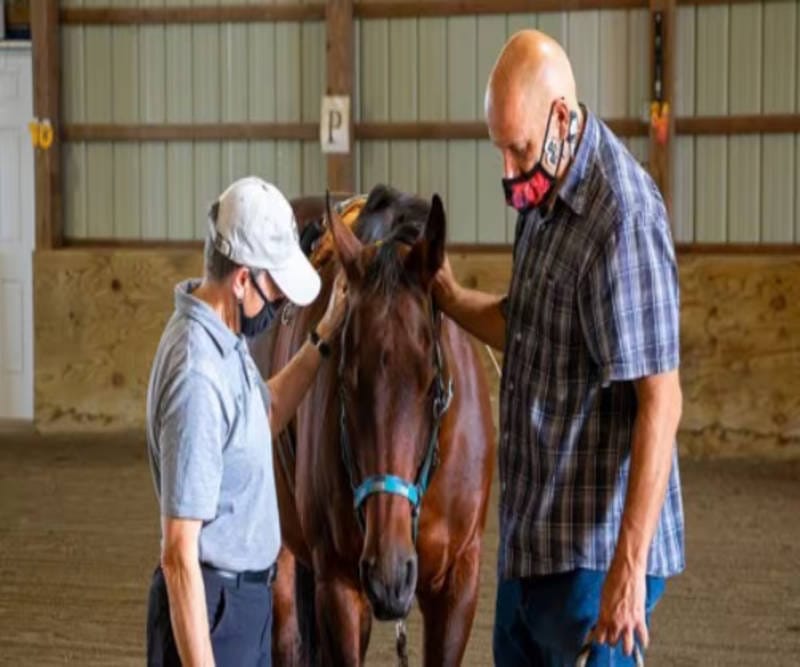
For many veterans, the battle doesn’t end when they return home. The invisible scars of combat, known as post-traumatic stress disorder (PTSD), can linger long after the last salute. However, an unconventional ally is emerging in this fight—horses. A recent study suggests that caring for horses can significantly reduce PTSD symptoms in veterans. This blog explores the profound connection between these majestic animals and those who have served, shedding light on how horse therapy offers a beacon of hope for many.
The Silent Struggle of Veterans
PTSD affects approximately 7 out of every 100 veterans, making it a prevalent issue among those who have served. Veterans of Operation Enduring Freedom in Afghanistan and Operation Iraqi Freedom in Iraq have notably high rates of PTSD, with 29% and 21% respectively experiencing symptoms at some point. Symptoms such as hypervigilance, flashbacks, and anxiety can severely impact daily life, making it challenging for veterans to reintegrate into civilian society. Understanding these struggles is the first step in providing effective support and intervention.
How Horses Can Heal
Horses possess a unique ability to mirror human emotions, providing a reflective surface for veterans to confront and process their feelings. A study conducted by the Rutgers Graduate School of Applied and Professional Psychology found that veterans who participated in horse care activities experienced significant reductions in PTSD symptoms. This bond allows veterans to experience a sense of calm and presence, often challenging to achieve through conventional therapy.
Shedding Hypervigilance Through Horse Care
The constant state of alertness known as hypervigilance is a common symptom of PTSD. By focusing on the welfare of a horse, veterans redirect their attention away from internal turmoil. Caring for a horse demands mindfulness—grooming, feeding, and leading require full attention, encouraging veterans to live in the moment. This present-focused activity can alleviate hypervigilance, providing a reprieve from the exhausting cycle of PTSD.
The Science Behind the Saddle
Research by the Center for Psychological Services at Rutgers has shown that veterans engaging in horse care activities experience decreased stress hormone levels. By participating in weekly 30-minute sessions, veterans learned basic horse safety and behavior, and then practiced grooming and leading horses. These activities foster a deep sense of connection and trust, contributing to reduced anxiety and improved emotional regulation.
Veterans' Stories of Transformation
Ellen Rankins, a lead researcher at the Temple Grandin Equine Center, shares that veterans reported noticeable improvements in interactions with their horses by week three of the program. These changes persisted throughout the sessions, highlighting the lasting impact of equine-assisted therapy. Personal stories of veterans who have benefited from horse care provide compelling evidence of its effectiveness, offering hope to those still searching for their paths to healing.
The Magic of Co-Regulation
Preliminary findings suggest a phenomenon known as co-regulation, where the body rhythms of veterans begin to synchronize with those of the horses. This synchronization fosters a calming effect, enhancing the therapeutic benefits of horse care. By aligning with the horse's natural rhythm, veterans can experience increased tranquility and emotional balance, further aiding in their recovery process.
Alternative Therapies for Lasting Change
Traditional psychotherapy treatments for PTSD often face high dropout rates, with up to 60% of military veterans not completing their therapy. Horse therapy offers an alternative approach, providing a non-judgmental and supportive environment for healing. This form of therapy encourages veterans to engage with their emotions and experiences in a safe space, promoting long-term emotional well-being.

Addressing Equine Welfare Concerns
Concerns about the welfare of horses involved in therapy programs are understandable, but research indicates that these animals show no signs of stress during interactions with veterans. Karyn Malinowski, a professor of animal sciences at Rutgers, emphasizes that the horses in this study remained healthy and content, dispelling fears about their well-being. Ensuring the welfare of therapy animals is crucial to maintaining ethical and effective therapeutic practices.
Building a Community of Healing
Horse therapy not only benefits veterans but also fosters a sense of community among participants. Sharing experiences and building connections with fellow veterans can alleviate feelings of isolation and provide a support network. This communal aspect of horse therapy enhances its therapeutic impact, offering veterans a space to share their journeys and celebrate their progress together.
The Future of Equine-Assisted Therapy
The growing body of research supporting horse therapy's effectiveness in reducing PTSD symptoms highlights its potential as a valuable tool in mental health care. Continued exploration of its benefits can lead to broader acceptance and integration into treatment programs for veterans. By investing in research and resources for equine-assisted therapy, we can create more accessible and effective healing options for those who have served.
Encouraging Personal Growth and Recovery
For veterans struggling with PTSD, finding a path to recovery can be daunting. Horse therapy offers a unique opportunity for personal growth and healing, challenging individuals to reconnect with themselves and their emotions. By engaging with horses, veterans can develop essential skills for managing their symptoms and improving their quality of life.
Take the Reins in Your Healing Journey
If you're a veteran or know someone who could benefit from horse therapy, explore available programs in your area. Participation in these programs can be a significant step towards healing and recovery. The bond between humans and horses has the power to transform lives, offering a path to healing for those who have served our country.
Conclusion
The powerful connection between veterans and horses illustrates the potential for alternative therapies to aid in the management of PTSD. By exploring new avenues for healing, we can provide veterans with the support and resources they need to overcome the challenges of PTSD. Horse therapy represents hope, resilience, and the possibility of a brighter future for those who have bravely served.

See other posts like this one:

Friday, June 14, 2024
Unraveling the Mystery: Why Do People Talk in Their Sleep? See the Science







Thursday, June 13, 2024
These 10 Nutrient Deficiencies Lower Your Libido & Sex Drive Is Low Libido Normal?