Sunday, June 02, 2024
Rolled vs. Steel-Cut Oats: Which Is Better for You?
In the battle of rolled vs. steel-cut oats, which one comes out on top in terms of nutrition and taste? Find out here and make an informed decision about your breakfast staple.
When it comes to your daily breakfast choice, are you team steel-cut oats, championed for their nutty flavor and robust texture, or staunch defenders of rolled oats, praised for their creamy, speedy porridge-making magic? For health buffs and weight-conscious consumers, the nutritional content can be an essential deciding factor in this morning showdown. But which side should you take to ensure a nourishing start to your day? In this in-depth exploration, we'll dissect the differences between rolled oats and steel-cut oats to help you make an informed decision that aligns with your health and wellness goals.
Rolled Oats vs. Steel-Cut Oats: Unraveling the Raw Foods
Before we spoon into the nutritional showdown, it’s essential to understand what sets these breakfast staples apart.
Rolled Oats — The Quick Favorite
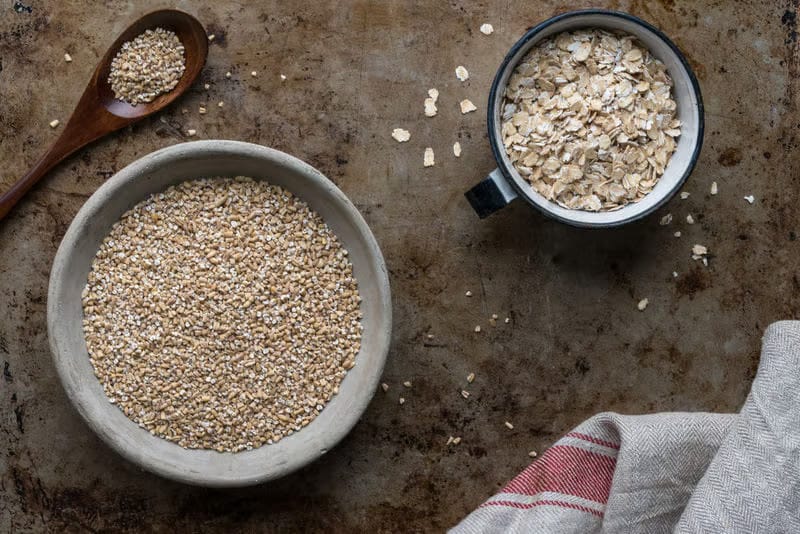
Rolled oats, also known as old-fashioned oats, are oat groats that have been steamed, rolled, and flattened with large rollers into flakes. This process stabilizes the healthy oils, so they spoil less quickly.
Steel-Cut Oats — The Whole Grain Warriors
Steel-cut oats, often called Irish or Scottish oats, are oat groats that have been chopped into pieces, rather than rolled. This results in a coarser grain that takes longer to cook but supposedly provides a heartier texture.
Now that we’ve peered into their processing, it’s time to scrutinize their nutritional profiles.
Rolled Oats Nutrition Facts
A 100-gram serving of rolled oats typically contains the following nutritional values:
- Calories: 174
- Protein: 5.5 grams
- Fat: 2.7 grams
- Carbohydrate: 30 grams
- Fiber: 4.6 grams
Notably, rolled oats are a good source of several vitamins and minerals, including manganese, phosphorus, magnesium, copper, and iron. They’re also rich in antioxidants and provide about 70% of the daily value for manganese, necessary for bone formation and skin integrity. Plus, the respectable fiber content can aid in digestive health and keeping you feeling full.
Whether you cook them into a warm breakfast bowl or use them as a base for homemade granola bars, rolled oats pack a nutritional punch.

Steel-Cut Oats Nutrition Facts
If we do a side-by-side comparison, steel-cut oats contain:
- Calories: 160
- Protein: 5 grams
- Fat: 2 grams
- Carbohydrate: 31 grams
- Fiber: 4 grams
Steel-cut oats are slightly lower in calories and fat than their rolled counterparts. While they offer a bit less protein, the real difference lies in their carbohydrate and fiber contents. Steel-cut oats tend to have a lower glycemic index, meaning they may result in a slower and steadier increase in blood sugar levels, which can be of particular interest to those managing diabetes or weight.
Additionally, steel-cut oats provide more resistant starch, which can act as a prebiotic, feeding the healthy bacteria in your gut. This type of fiber isn’t broken down and absorbed in the stomach like other types of carbohydrates, which means it supports healthy digestion and may help you feel more satisfied.
Choosing the Winning Oat
The question remains: which one should you choose? The answer somewhat
hinges on your personal dietary needs and lifestyle.
Rolled Oats Might Be a Better Fit If:
- You’re looking for a quick-cook breakfast option that’s versatile in the kitchen.
- You prefer the creamier texture which accompanies their faster cooking time.
- You desire a higher antioxidant concentration due to the stabilizing steaming process.
Steel-Cut Oats Might Be Right For You If:
- You're hoping to improve gut health with a diet rich in prebiotics.
- You’re conscious of managing blood sugar levels due to the lower glycemic index.
- You favor a heartier, more textured grain even if it requires a longer cooking time.
Of course, it's always worth noting that both varieties of oats offer significant nutritional value and that individual servings can be prepared in numerous ways to suit a variety of tastes and dietary preferences.
In the end, the answer to which oat is ‘better’ comes down to how they fit into your overall diet and lifestyle. Both rolled oats and steel-cut oats can be part of a healthy meal plan, but one might serve you better than the other based on your specific nutrition goals. Whether it’s a bowl of warm oatmeal in the morning, a batch of overnight oats, or the base to your favorite baked goods, oats are an excellent source of important nutrients and can — quite literally — be the foundation of a healthy diet.

See other posts like this one:




Monday, June 24, 2024
Loosen Up! 7 Essential Hip Flexor Stretches and Exercises for Fitness Enthusiasts




Monday, June 24, 2024
Dance Your Way to Fitness The Ultimate Guide to Hip-Hop Cardio Workouts

Sunday, June 23, 2024
Unleashing Your Hidden Power Understanding Relative Strength in Fitness

Sunday, June 23, 2024
Elevate Your Strength - When You Should Increase Your Weights in the Gym