Monday, June 10, 2024
Sarsaparilla: See the Health Benefits, Risks, and How to Use
Discover the surprising health benefits of sarsaparilla, as well as potential risks and how to safely incorporate it into your daily routine. Get all the information you need here!
If you’re like me, the word sarsaparilla—besides being hard to spell—brings with it special memories of long-ago family vacations. Many of us remember “bellying up to the bar” at an old-timey Western saloon and ordering the sarsaparilla soft drink, which tasted somewhat like root beer or birch beer.
But sarsaparilla is more than just a nostalgic beverage. It's a plant with a rich history of medicinal use and a surprising array of health benefits. In this blog post, we’ll explore what sarsaparilla is, its potential benefits, the risks associated with its use, and how you can incorporate it into your health and beauty routines.
What is Sarsaparilla?
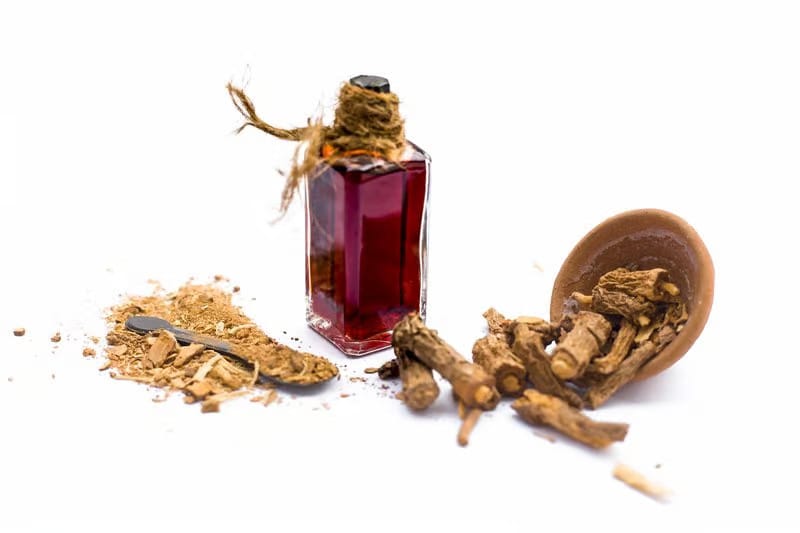
Sarsaparilla is a tropical plant belonging to the Smilax genus. There are multiple species, but the most commonly known and used ones include Smilax ornata (Jamaican sarsaparilla) and Smilax regelii (Honduran sarsaparilla). Traditionally, the roots of these plants have been used in herbal medicine for their purported health benefits.
Historical Context
Sarsaparilla has been used by indigenous peoples in Central and South America for centuries, primarily for its anti-inflammatory and detoxifying properties. European explorers brought it back to the Old World, where it quickly gained popularity as a tonic and remedy for various ailments, including skin problems and joint pain.
Health Benefits of Sarsaparilla
1. Anti-inflammatory Properties
One of the most well-documented benefits of sarsaparilla is its anti-inflammatory effects. The plant contains saponins, flavonoids, and other compounds that can help reduce inflammation in the body. This makes it potentially useful for conditions like arthritis, gout, and other inflammatory disorders.
2. Detoxification
Sarsaparilla has long been considered a powerful detoxifying agent. It's believed to help cleanse the liver and blood, aiding in the removal of toxins from the body. This detoxifying effect can contribute to improved overall health and well-being.
3. Skin Health
For skincare enthusiasts, sarsaparilla offers promising benefits. Its anti-inflammatory and antibacterial properties can help treat various skin conditions such as acne, psoriasis, and eczema. Some skincare products now include sarsaparilla extracts, taking advantage of these beneficial properties.
4. Hormonal Balance
There is some evidence to suggest that sarsaparilla can help regulate hormones, particularly in men. The plant contains compounds that may mimic the action of testosterone and help alleviate symptoms of hormonal imbalances.
5. Antimicrobial Effects
Sarsaparilla's antimicrobial properties make it useful for treating infections. It has been traditionally used to combat bacteria and fungi, making it a natural option for supporting immune health.
6. Joint Health
Due to its anti-inflammatory and detoxifying properties, sarsaparilla may help improve joint health by reducing pain and swelling. This makes it a popular choice for those dealing with arthritis and other joint-related issues.
Side Effects of Sarsaparilla
While sarsaparilla offers numerous benefits, it's essential to be aware of potential side effects and risks.
1. Allergic Reactions
Some people may be allergic to sarsaparilla. Symptoms of an allergic reaction can include itching, rash, and difficulty breathing. If you experience any of these symptoms, discontinue use immediately and consult a healthcare professional.
2. Drug Interactions
Sarsaparilla may interact with certain medications, including diuretics and drugs for hormonal imbalances. It's crucial to consult your doctor before adding sarsaparilla to your regimen if you are currently taking any medications.
3. Digestive Issues
In some cases, sarsaparilla can cause mild digestive issues such as stomach upset or nausea. Starting with a low dose and gradually increasing it can help minimize these effects.
4. Hormonal Effects
While its potential to regulate hormones can be a benefit, it can also be a risk. Overuse of sarsaparilla may interfere with natural hormone levels, leading to imbalances. Always use under the guidance of a healthcare provider, especially if you have existing hormonal issues.

How to Use Sarsaparilla
Interested in incorporating sarsaparilla into your health routine? Here are some ways you can use it:
1. Tea
One of the simplest ways to use sarsaparilla is by brewing it into a tea. Purchase dried sarsaparilla root from a reputable supplier, boil it in water, and enjoy. This method is particularly effective for detoxification and improving joint health.
2. Supplements
Sarsaparilla supplements are widely available in various forms, including capsules, powders, and tinctures. Make sure to follow the recommended dosage instructions on the label or consult a healthcare provider for personalized guidance.
3. Skincare Products
For those interested in the skincare benefits of sarsaparilla, look for creams, lotions, and serums that contain sarsaparilla extract. These products can help with conditions like acne and eczema.
4. Infused Beverages
Take a trip down memory lane and enjoy sarsaparilla in its traditional beverage form. While not as common as it once was, you can still find sarsaparilla soft drinks or make your own at home.
5. Cooking
Sarsaparilla root can be added to soups, stews, and other dishes as a spice. This method not only adds a unique flavor but also incorporates the health benefits of sarsaparilla into your diet.
6. Topical Applications
Crushed sarsaparilla root or extract can be applied directly to the skin to help with conditions like psoriasis and eczema. Always perform a patch test first to ensure you do not have an allergic reaction.

See other posts like this one:


Monday, October 21, 2024
Hidden Dangers in Your Food Packages Could Be More Than You Bargained For


Tuesday, October 15, 2024
Magic Mushrooms Might be the Secret Weapon Against Eating Disorders

Tuesday, October 15, 2024
Shattering the Gridiron Image Brett Favre's Parkinson's Revelation


Thursday, October 10, 2024
6 Proven Strategies to Boost Your Motivation and Crush Your Goals