Tuesday, October 15, 2024
Magic Mushrooms Might be the Secret Weapon Against Eating Disorders
Are you or someone you know struggling with an eating disorder? Discover the potential of psilocybin in reducing symptoms and bringing hope to those affected by this mental illness.
In an era where mental health challenges are more openly discussed, the potential treatment options are rapidly evolving. One such treatment, emerging from the shadowy realm of alternative medicine, is psilocybin—the active chemical found in "magic" mushrooms. While these fungi have long been associated with psychedelic experiences, recent studies suggest they might hold the key to combating severe mental health issues like eating disorders. Could the cure for such disorders lie in something as unexpected as a mushroom?
The Mental Health Link
Eating disorders are complex conditions that are often misunderstood. They're not just about food; they're deeply linked to mental health. Body dysmorphic disorder (BDD) is one condition commonly tied to eating disorders. Those with BDD obsess over perceived physical flaws, leading to crippling anxiety and unhealthy behaviors. It's here that psilocybin might offer a glimmer of hope.
Recent research published in the journal Psychedelics revealed promising results. Psilocybin significantly reduces symptoms in people suffering from BDD. This finding isn't just another headline—it's a potential breakthrough for mental health treatment. For sports fans and health enthusiasts who understand the importance of mental well-being, this could be a game-changer.
Understanding Psilocybin
Now, let's take a closer look at what makes psilocybin tick. Psilocybin is a naturally occurring psychedelic compound produced by certain mushrooms. When ingested, it alters perception, mood, and cognitive processes. While it's known for its hallucinogenic properties, researchers are finding its potential benefits extend far beyond the psychedelic experience.
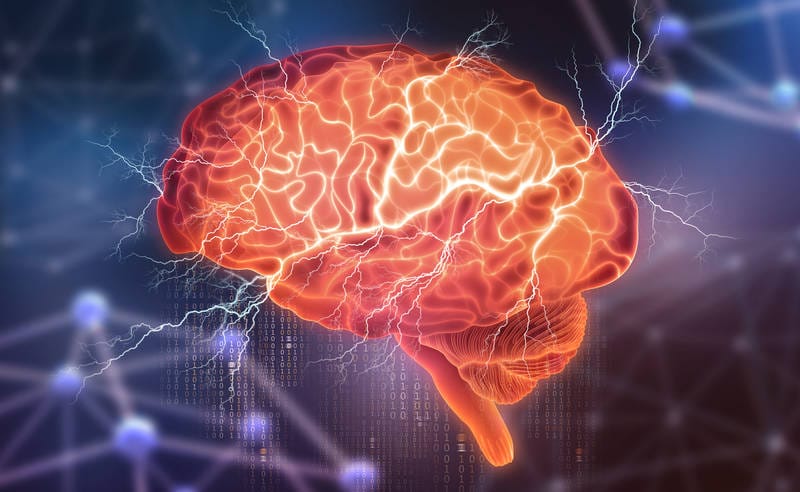
Psilocybin's ability to reduce symptoms of BDD lies in its impact on the brain. A single 25-milligram dose can boost connectivity between various brain regions, particularly those related to emotional processing and self-perception. For individuals grappling with BDD, this enhanced connectivity seems to facilitate more adaptive cognitive and emotional functioning.
The Pilot Trial
The study, led by Chen Zhang of the New York State Psychiatric Institute, was a pilot trial involving eight individuals with hard-to-treat BDD. Each participant received a single dose of psilocybin and underwent brain scans to observe changes in neural activity. Within a week, those whose brains showed stronger connectivity improvements experienced significant symptom relief.
This isn't just about statistics on a page; it's about changing lives. Imagine the relief of shedding the weight of constant self-criticism and anxiety. For those in the Parkinson's disease community, healthcare professionals, and anyone watching the NFL, the parallels between neurological function and behavior become increasingly apparent.

Science Meets Psychedelics
The findings from this pilot trial align with the growing body of evidence supporting psychedelic compounds' potential to promote mental health. Psychedelics like psilocybin seem to enhance the brain's capacity for flexibility and integration. This means that they help different parts of the brain communicate better, potentially restoring healthier cognitive and emotional patterns that are often disrupted in psychiatric disorders.
But why is this important? It's because traditional treatments for eating disorders and related mental health issues don't always work. Many people spend years in therapy or on medication without finding relief. Psilocybin offers a new path—a path that could revolutionize how we approach mental health care.
The Need for More Research
While these initial findings are promising, they are just that—initial. The study involved a small group of people, and to fully understand psilocybin's potential, more extensive research is necessary. Scientists need to explore its long-term effects, optimal dosages, and potential risks.
For news junkies following the latest in scientific advancements, this is a story worth watching. The potential implications of psilocybin treatment for eating disorders could be monumental. It's a reminder that the road to mental health solutions is a continuous journey of discovery.
A Glimpse into the Future
Imagine a world where mental health treatments are as varied and unique as the individuals they aim to help. Where traditional methods are complemented by innovative approaches like psilocybin therapy. In this future, sports fans, health enthusiasts, and healthcare professionals can all play a role in advocating for more comprehensive mental health care.
The promise of psilocybin isn't just about treating BDD—it's about opening doors to understanding mental health on a deeper level. It's about recognizing that sometimes, the most bizarre-seeming solutions might just be the most effective. And for those in the NFL community, where the mental and physical demands are incredibly high, exploring new mental health avenues is crucial.
Conclusion
The intersection of psilocybin and mental health treatment is a fascinating one. It challenges us to question our preconceived notions about what works and what doesn't. It invites us to consider new possibilities for healing and growth.
If you're a healthcare professional, a member of the Parkinson's disease community, or simply someone invested in the future of mental health care, keep an eye on psilocybin research. Engage in the conversation and explore how this emerging treatment could shape the landscape of mental health support.
With each discovery, we move closer to a world where mental health care is as multifaceted and dynamic as the human mind itself. Let's continue to question, explore, and innovate for a brighter, healthier future.

See other posts like this one:






Thursday, November 14, 2024
Understanding GLP-1 and Natural Ways to Boost It for Weight Management