Monday, October 21, 2024
The Weight of a Nation Unveiled Severe Obesity Trends in the US
The rates of severe obesity are climbing in the US, and it's time we had an honest conversation about why this is happening and what we can do to address it. Learn more here.
In recent years, severe obesity has become a growing epidemic in the United States. While the country has long grappled with high obesity rates, the rise in severe obesity, particularly among women, is raising alarms. This trend isn't just a number on a scale; it’s a complex issue that affects health, communities, and the environment, demanding our attention.
The Upsurge in Severe Obesity
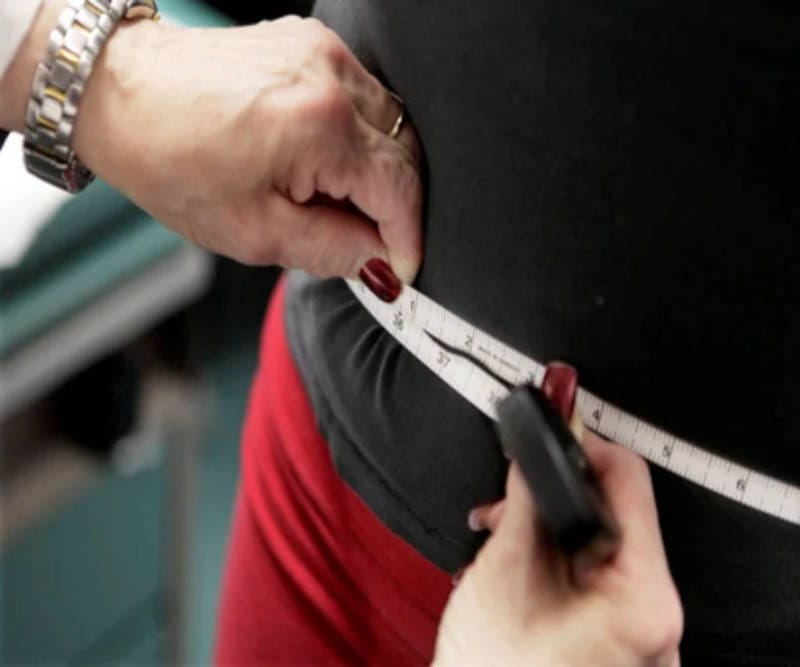
The narrative is clear—the U.S. is facing a severe obesity crisis. Recent government research indicates that while the overall obesity rate holds steady at around 40%, severe obesity has increased to nearly 10%. This shift is more pronounced among women, who are almost twice as likely to report severe obesity compared to men. The implications of these statistics are far-reaching, impacting individuals' quality of life and straining healthcare systems.
Understanding Obesity Metrics
To grasp the full scope of this issue, we must first understand how obesity and severe obesity are measured. Body Mass Index (BMI) is the primary tool used, despite its limitations. A BMI of 30 or more is classified as obese, while a BMI of 40 or higher indicates severe obesity. Although criticized for not accounting for muscle mass and fat distribution, BMI remains widely used due to its simplicity.
Why the Rise in Severe Obesity?
The reasons behind the increase in severe obesity are multifaceted. Some experts point to hormonal differences and the effects of childbearing as potential contributors. Others highlight societal and environmental factors, such as access to healthy food and opportunities for physical activity. Despite these theories, the exact causes remain elusive, warranting further investigation.
The Health Implications of Severe Obesity
Severe obesity is closely linked to several chronic health conditions. Individuals with severe obesity face a higher risk of cardiovascular diseases, diabetes, and reduced quality of life. This underscores the urgency of addressing this issue not just at an individual level, but as a public health concern.
Educational Disparities in Obesity Rates
Education plays a significant role in obesity prevalence. The recent study revealed that 32% of individuals with a bachelor’s degree or higher reported obesity, compared to 45% among those with less formal education. This disparity highlights the need for targeted interventions and education to promote healthier lifestyles across all demographics.
Geographic Variations in Obesity
Geography adds another layer of complexity to the obesity epidemic. Obesity rates vary widely across states, with the Midwest and South reporting the highest numbers. In 23 states, more than one-third of adults are classified as obese. These regional differences suggest that local policies and cultural factors may influence obesity rates, necessitating tailored strategies for effective intervention.

New Hope with Weight-Loss Drugs
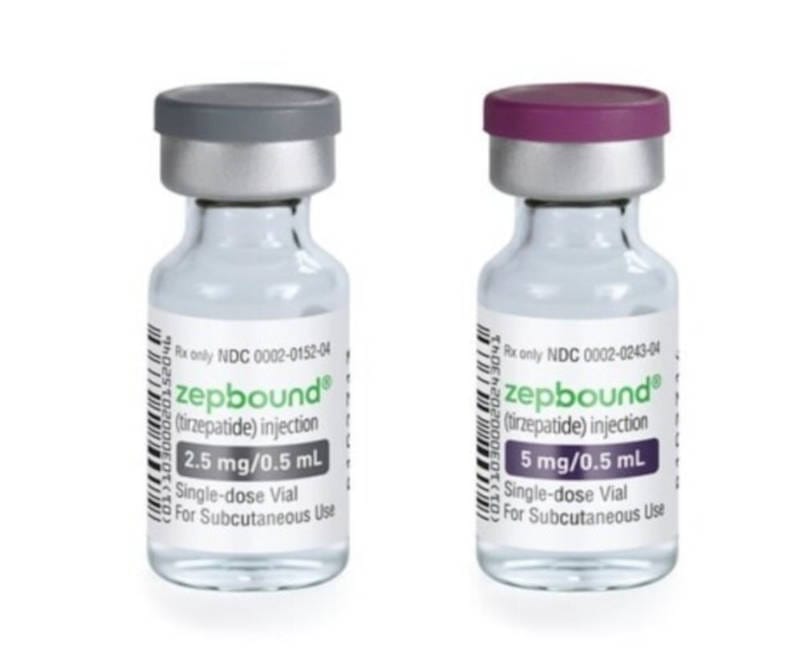
Amidst the concerning trends, there is a glimmer of hope. Recent advances in weight-loss drugs, like Wegovy and Zepbound, offer promising results. These medications address obesity as a metabolic disease, providing new avenues for treatment. However, their long-term impact on reversing obesity trends remains to be seen.
Prevention Starts Early
Preventing obesity from an early age is crucial. Encouraging healthy habits from childhood can set the foundation for long-term well-being. Schools and communities can play a pivotal role in promoting physical activity and healthy eating, creating an environment that fosters healthier choices.
The Role of Community and Environment
Communities can significantly influence obesity rates. Access to recreational spaces, availability of nutritious foods, and community support systems are all vital components. By creating environments that encourage healthy living, we can empower individuals to make positive lifestyle changes.
The Psychological Aspect of Obesity
Obesity is not solely a physical issue; it also affects mental health. Stigma and discrimination can exacerbate feelings of isolation and depression. Addressing the psychological factors associated with obesity is essential for comprehensive intervention strategies.
Policy and Advocacy for Change
Policy changes at local, state, and federal levels can drive significant progress in combating obesity. Initiatives that promote access to healthy foods, regulate marketing of unhealthy products, and encourage physical activity are pivotal. Advocacy groups and public health organizations play a crucial role in pushing for these changes.
Moving Towards a Healthier Future
The path to reversing obesity trends is challenging but not insurmountable. Collaboration between individuals, communities, healthcare providers, and policymakers is essential. By prioritizing preventive measures, supporting research, and fostering an environment that encourages healthy living, we can work towards reducing obesity rates and improving public health.
Conclusion
Severe obesity is a pressing issue that demands our collective attention and action. While recent trends are concerning, there is hope through new treatments, preventive strategies, and policy changes. By addressing obesity from multiple angles, we can pave the way for a healthier future. If you're interested in learning more about how you can contribute to this effort, explore further resources or consider joining initiatives that promote health and wellness in your community.

See other posts like this one:



Wednesday, November 13, 2024
New Weight-Loss Drug Found Safe and Effective for Kids as Young as 6



Tuesday, November 12, 2024
Salmonella Outbreak Linked to Recalled Eggs Sickens 65 People Across Nine States



Tuesday, November 12, 2024
How to Choose Safe and Healthy Salmon + A Simple One-Pan Salmon Dinner for Two



Monday, November 11, 2024
Gum Disease Bacteria Linked to Higher Risk of Head and Neck Cancer