

Friday, February 28, 2025
Slow Motion Strength Training: The Power of 10 for Maximum Results
Discover the benefits of Slow Motion Strength Training (Super Slow/Power of 10)—a revolutionary workout method that maximizes muscle engagement, boosts metabolism, and protects joints. Learn how to build strength efficiently with slow, controlled movements. Try this effective workout today! 🚀💪 #StrengthTraining #PowerOf10
You’ve likely heard the saying, “Slow is smooth, and smooth is fast.” While this phrase is commonly associated with military precision, it has a surprising application in the world of fitness.
Slow-motion strength training—also known as Super Slow Training or the Power of 10 Method—is a unique and effective way to build muscle, increase strength, and protect your joints, all while saving time.
Many traditional workouts rely on fast, explosive movements, which can be effective but also increase the risk of poor form and injury. Super Slow training, on the other hand, eliminates momentum and forces your muscles to work harder. The result? A challenging, efficient, and safe workout that delivers impressive results in a shorter timeframe.
What Is Slow-Motion Strength Training?
Slow-motion strength training is a method of lifting weights in which each repetition is performed extremely slowly. Rather than using momentum to lift and lower a weight, every movement is controlled and deliberate, taking 10 seconds to lift (concentric phase) and 10 seconds to lower (eccentric phase).
Understanding the Two Phases of a Lift
To fully grasp this method, it’s essential to understand the two primary phases of any weightlifting movement:
- Concentric Phase – This is when you lift the weight or push against resistance. It typically involves muscle contraction and shortening. For example, in a bicep curl, the concentric phase occurs when you lift the dumbbell toward your shoulder.
- Eccentric Phase – This is when you lower the weight back to its starting position. It involves lengthening the muscle under tension. In a bicep curl, the eccentric phase happens as you lower the dumbbell back down.Concentric Phase – This is when you lift the weight or push against resistance. It typically involves muscle contraction and shortening. For example, in a bicep curl, the concentric phase occurs when you lift the dumbbell toward your shoulder.
By performing these movements slowly, you remove momentum from the equation. Your muscles have to work harder for a longer period, leading to greater muscle engagement and strength gains.
Why Choose Super Slow Training?
If you’re used to fast-paced strength training, the idea of moving in slow motion may seem counterintuitive. However, science and experience show that this method offers significant benefits for people of all fitness levels.
1. Maximum Muscle Engagement
When you perform an exercise quickly, you often rely on momentum to move the weight rather than your muscles. By slowing down, your muscles must stay fully engaged throughout the entire movement, making each repetition more effective.
2. Activates Deep Muscle Fibers
Super Slow training requires constant tension on your muscles, activating both slow-twitch and fast-twitch muscle fibers. This leads to greater strength gains and improved endurance over time.
3. Builds and Maintains Bone Density
Resistance training is crucial for bone health, especially as we age. The force generated during slow-motion strength training stimulates bone growth, reducing the risk of osteoporosis and fractures.
4. Protects Joints and Connective Tissue
Traditional weightlifting can be hard on your joints, especially if you use improper form or excessive weight. Because Super Slow training requires perfect control, it minimizes strain on your joints, ligaments, and tendons, reducing the risk of injury.
5. Boosts Metabolism and Fat Loss
Despite its slow pace, this training method is surprisingly intense. Because your muscles work harder for a longer period, your body burns more calories during and after your workout. This makes it an effective way to boost metabolism and aid in fat loss.
6. Increases Strength Over Time
The extended time under tension (TUT) forces your muscles to work continuously without rest, promoting greater muscle growth and strength over time.
7. More Efficient Workouts
Super Slow training is incredibly effective in a short amount of time. Since each rep is slow and controlled, you fatigue your muscles faster, meaning you can achieve the same results with shorter workouts.
8. Supports Long-Term Fitness and Injury Prevention
One of the most significant advantages of Super Slow training is that it allows you to train smarter, not harder. By reducing the risk of injury, you can stay consistent with your workouts and continue making progress for years to come.

How to Perform a Super Slow Workout
If you’re ready to give Super Slow training a try, follow these steps to ensure a safe and effective workout.
Step 1: Start with Light Weights
Since each rep is performed very slowly, even light weights can feel challenging. Start with a weight that is much lighter than what you typically use. You’ll be surprised at how difficult it becomes!
Step 2: Focus on Form
Proper form is critical in this type of training. Move with full control and engage your muscles throughout each rep. Avoid using momentum or jerking motions.
Step 3: Count to 10 for Each Phase
For every rep, follow this pattern:
✅ Lift the weight for 10 seconds (concentric phase).
✅ Lower the weight for 10 seconds (eccentric phase).
✅ Repeat for 5 reps.
Step 4: Keep Rest Periods Short
To maximize effectiveness, avoid long rest periods between reps. Move slowly but continuously to keep your muscles engaged.
Super Slow Training Routine: The Power of 10 Workout
Here’s an example workout to get you started with Super Slow training.
1. Bicep Curls
Hold a dumbbell in each hand.
Slowly curl the weights up for 10 seconds.
Slowly lower them back down for 10 seconds.
Complete 5 reps, then rest 1-2 minutes.
Repeat for 2-3 sets.
2. Shoulder Lateral Raises
Hold a dumbbell in each hand.
Slowly raise your arms to the side for 10 seconds.
Slowly lower them for 10 seconds.
Perform 5 reps per arm, rest, then repeat for 2-3 sets.
3. Machine Chest Press
Push the handles away from your chest for 10 seconds.
Slowly bring them back toward your chest for 10 seconds.
Complete 5 reps, rest, then repeat for 2-3 sets.
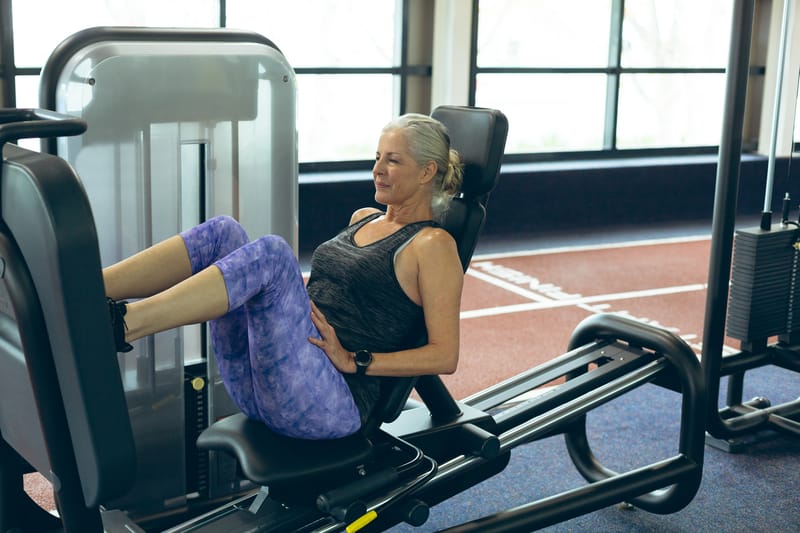
4. Leg Press
Start with very light weight.
Push the weight forward while straightening your legs for 10 seconds.
Slowly bring your knees back for 10 seconds.
Complete 5 reps, rest, then repeat for 2-3 sets.
5. Cool Down and Stretch
Finish your workout with gentle stretching to prevent soreness and improve flexibility.
Final Thoughts: Why You Should Try Super Slow Training
Slow-motion strength training may seem unconventional, but it’s one of the most effective ways to build strength, protect your joints, and improve overall fitness. By eliminating momentum and forcing your muscles to work harder, you can achieve faster results with fewer reps—making your workouts more efficient and sustainable in the long run.
Whether you’re a beginner looking for a safer way to train or an experienced lifter wanting to challenge your muscles in a new way, Super Slow training is worth a try.
Are you ready to experience the Power of 10?
Give this method a shot and see just how effective slow-motion training can be! 🚀💪

See other posts like this one:



