Friday, June 28, 2024
Stand Strong on One Leg and Live Long
Improve your balance, strength, and overall health with these simple one-legged exercises. Don't let age hold you back - start today!
Hey, do you have 10 seconds to spare? Of course, you do. And 10 seconds may be enough to tell you how likely you are to die in the next 10 years, at least according to one new study. Here’s all you have to do:
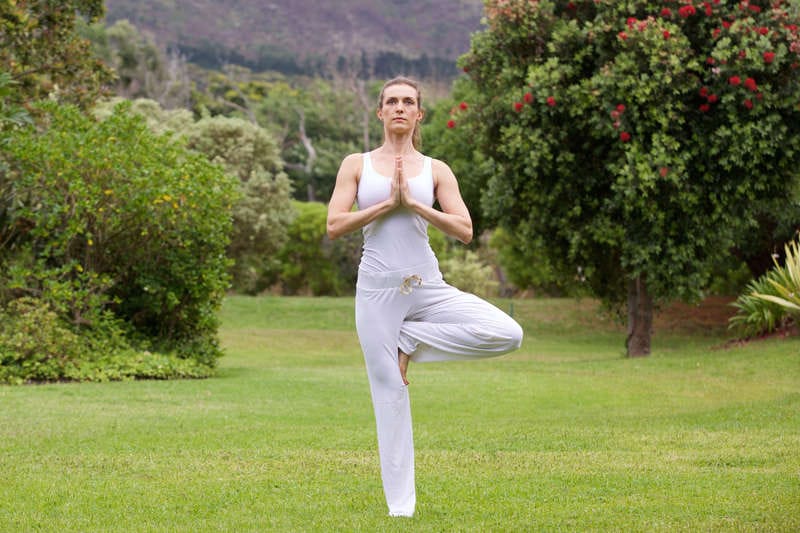
Grab a stopwatch and time yourself balancing on just one foot, with your lifted foot touching the calf of your standing leg—a bit like a flamingo. Just to be safe, have something to grab onto in case you lose your balance. And that’s it.
Sounds simple, right? But what does this test really tell us about our health and longevity? In this blog post, we’ll explore the fascinating connection between balance and aging, offer tips on how to improve your balance, and even introduce some similar balance tests you might want to try. Whether you’re a workout beginner, wellness seeker, health-conscious individual, fitness enthusiast, or Pilates beginner, this post is for you.
The Intriguing Link Between Balance and Longevity
What the Study Says
Recent research has shown that the ability to balance on one leg for at least 10 seconds can be an important indicator of overall health. According to a study published in the British Journal of Sports Medicine, people who failed a 10-second one-legged balance test were nearly twice as likely to die within the next decade compared to those who passed. This was after accounting for variables like age, sex, and underlying health conditions.
Why Balance Matters
Balance is a critical component of physical fitness. It’s essential not only for performing everyday activities like walking and climbing stairs but also for preventing falls, which can lead to serious injuries, particularly in older adults. Balancing acts as a measure of muscular strength, coordination, and neuromuscular control—all key elements for maintaining a high quality of life as we age.
A Simple Yet Powerful Indicator
Unlike other health tests that require expensive equipment or specialized training, the one-legged balance test is simple, quick, and accessible to everyone. All you need is a few seconds, a bit of space, and a willingness to try. Its simplicity makes it a powerful tool for gauging your health and predicting your longevity.
Understanding the Mechanics of Balance
The Role of Muscles and Joints
Our muscles and joints play a significant role in maintaining balance. Strong leg and core muscles provide stability, while flexible joints allow for smooth, controlled movements. When you stand on one leg, your body engages multiple muscle groups to keep you upright, from your calves and thighs to your hips and abs.
The Importance of Proprioception
Proprioception, often referred to as the “sixth sense,” is your body’s ability to sense its position in space. It’s what allows you to touch your nose with your eyes closed or walk in a straight line without looking at your feet. Good proprioception helps you maintain balance and coordination, making it easier to perform daily activities and reducing the risk of falls.
The Role of the Brain
Your brain also plays a crucial role in balance. The cerebellum, a part of the brain located at the back of your skull, is responsible for coordinating movement and maintaining balance. It processes information from your eyes, ears, and muscles to help you stay upright and move smoothly.
How to Improve Your Balance
Start with Basic Exercises
If your balance isn’t where you’d like it to be, don’t worry—there are plenty of exercises you can do to improve it. Start with basic exercises like standing on one leg for 10-15 seconds, then switch legs. You can also try walking heel-to-toe in a straight line or standing up from a seated position without using your hands.
Incorporate Yoga and Pilates
Yoga and Pilates are excellent for improving balance, flexibility, and strength. Poses like Tree Pose, Warrior III, and Boat Pose challenge your balance and help build the muscles needed to maintain stability. Join a class or follow along with online videos to get started.
Use Balance Training Tools
Balance training tools like wobble boards, balance pads, and stability balls can add an extra challenge to your workouts. These tools create an unstable surface, forcing your muscles to work harder to keep you balanced. Incorporate them into your routine to boost your balance and coordination.
Similar Balance Tests to Try
The Flamingo Test
The Flamingo Test is another simple way to assess your balance. Stand on one leg with your other foot lifted behind you, like a flamingo. Hold this position for as long as you can without losing your balance. Aim for at least 30 seconds on each leg.
The Tandem Stance Test
The Tandem Stance Test involves standing with one foot directly in front of the other, heel to toe. Hold this position for 10 seconds, then switch feet. This test challenges your balance and proprioception, helping you gauge your stability.
The Timed Up and Go Test
The Timed Up and Go Test measures both balance and mobility. Sit in a chair, then stand up and walk three meters (about 10 feet) as quickly and safely as you can. Turn around, walk back to the chair, and sit down. Time yourself to see how long it takes. Aim for 12 seconds or less.
Why You Should Care About Balance
Preventing Falls
Falls are a leading cause of injury among older adults. Good balance helps prevent falls, reducing the risk of fractures, head injuries, and other serious complications. By improving your balance, you’re taking a proactive step toward safeguarding your health.
Enhancing Athletic Performance
Whether you’re a runner, a dancer, or a weekend warrior, good balance enhances your athletic performance. It allows you to move more efficiently, react quickly, and maintain control during dynamic movements. Training your balance can give you an edge in your chosen sport.
Boosting Overall Health
Improving your balance isn’t just about preventing falls and enhancing performance—it’s also about boosting your overall health. Better balance leads to improved posture, increased core strength, and greater body awareness. These benefits contribute to a healthier, more active lifestyle.
The Connection Between Balance and Mental Health
Reducing Stress and Anxiety
Balance exercises like yoga and Tai Chi have been shown to reduce stress and anxiety. These practices promote relaxation and mindfulness, helping you feel more centered and calm. Incorporating balance training into your routine can support your mental well-being.
Improving Cognitive Function
Research suggests that balance training can improve cognitive function, particularly in older adults. By challenging your brain to coordinate complex movements, you’re also boosting your memory, attention, and problem-solving skills. Balance training is a workout for both your body and mind.
Promoting Mind-Body Connection
Balance exercises encourage a strong mind-body connection. They require focus, concentration, and awareness of your body’s movements. This connection can improve your overall sense of well-being and make you feel more in tune with your body.

The Role of Diet and Nutrition in Balance
Fueling Your Body
A balanced diet is essential for maintaining good balance. Nutrient-rich foods provide the energy your muscles need to perform optimally. Focus on whole foods like fruits, vegetables, lean proteins, and whole grains to fuel your body.
Hydration Matters
Staying hydrated is crucial for balance. Dehydration can lead to dizziness and lightheadedness, increasing the risk of falls. Aim to drink at least eight glasses of water a day, and more if you’re active or live in a hot climate.
Supplements to Consider
Certain supplements may support your balance and overall health. Omega-3 fatty acids, vitamin D, and magnesium are important for muscle function and coordination. Consult with a healthcare professional before adding any supplements to your routine.
Incorporating Balance Training into Daily Life
Make it a Habit
Consistency is key when it comes to improving your balance. Aim to incorporate balance exercises into your daily routine. Even a few minutes a day can make a significant difference over time.
Combine with Other Workouts
Balance training doesn’t have to be a separate activity. Combine it with other workouts like strength training, cardio, or flexibility exercises. This approach keeps your routine varied and engaging while providing comprehensive fitness benefits.
Listen to Your Body
Pay attention to how your body feels during balance exercises. If you experience pain or discomfort, stop and consult with a healthcare professional. It’s important to challenge yourself, but not at the expense of your safety.
Staying Motivated on Your Balance Journey
Set Realistic Goals
Setting realistic goals can keep you motivated on your balance journey. Start with achievable milestones, like holding a one-legged stance for 10 seconds. Gradually increase the difficulty as your balance improves.
Track Your Progress
Tracking your progress can be incredibly motivating. Keep a journal or use a fitness app to record your balance exercises and improvements. Celebrate your successes, no matter how small.
Find a Support System
Having a support system can make a big difference. Join a fitness class, find a workout buddy, or participate in an online community. Sharing your balanced training experiences with others can provide encouragement and accountability.
Genes and Your Taste Preferences

See other posts like this one:

Wednesday, November 13, 2024
New Weight-Loss Drug Found Safe and Effective for Kids as Young as 6


Tuesday, November 12, 2024
Salmonella Outbreak Linked to Recalled Eggs Sickens 65 People Across Nine States




Tuesday, November 12, 2024
How to Choose Safe and Healthy Salmon + A Simple One-Pan Salmon Dinner for Two



Monday, November 11, 2024
Gum Disease Bacteria Linked to Higher Risk of Head and Neck Cancer