Monday, September 02, 2024
Strengthening Smiles with Science What Is Hydroxyapatite
Have you heard of hydroxyapatite? Learn about this rising star in dental care and if it truly lives up to its claims to strengthen teeth.
Strong, healthy teeth are not just about flaunting a bright smile; they’re crucial indicators of your overall wellness. While brushing and flossing have long been the cornerstones of oral care, often with fluoride as the key ally, a new player is making waves in dental health—hydroxyapatite. But what is hydroxyapatite, and does it truly fortify our teeth? Let's explore the potential of this cutting-edge compound.
Understanding Hydroxyapatite
Our teeth are perpetually engaged in a cycle of decomposition and renewal, known as demineralization and remineralization. Sugary foods and drinks create acids that erode the surface of the teeth. Fortunately, our body has a mechanism to counteract this through remineralization. Traditionally, fluoride has been used to aid this process, but recent studies have introduced hydroxyapatite to us as a promising alternative.
A Mineral with a Mission
Hydroxyapatite is a natural form of calcium apatite found extensively in human bones and teeth, comprising up to 90% of tooth enamel. It's made up of calcium, phosphate, and hydroxide ions, essential for maintaining teeth and bones' structural integrity. This mineral is biocompatible and fosters bone growth, making it valuable in medical fields for bone grafts and dental implants.
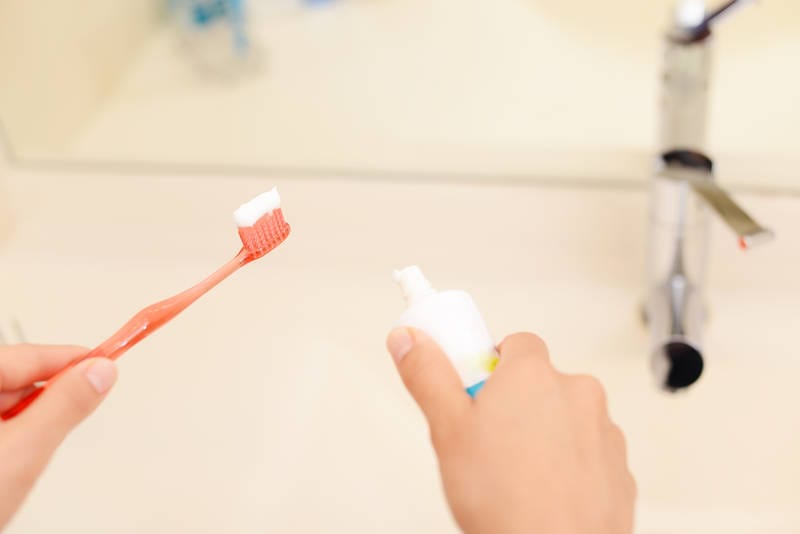
For dental care, hydroxyapatite is increasingly being added to toothpaste and other products. Its role in oral health is a testament to its compatibility with the body's natural systems.
The Science Behind Teeth Regeneration
Teeth constantly undergo a tug-of-war between damage and repair, heavily influenced by our oral environment. Saliva, rich in calcium, phosphate, and fluoride ions, neutralizes harmful acids, aiding the deposition of minerals on enamel surfaces.
Fluoride has long been revered for its role in forming fluorapatite, an acid-resistant layer on teeth. However, hydroxyapatite offers a similar shield with its unique strengths. It seamlessly integrates into the enamel, filling microscopic gaps and potentially reversing early signs of decay.
Hydroxyapatite fortifies enamel, reducing cavity risks and enhancing resistance against bacterial acids. Its surface-smoothing property also discourages plaque adhesion, further safeguarding oral health.
The Dynamics of Remineralization and Demineralization
Teeth, like any part of the body, respond dynamically to their environment. Saliva plays a key role, providing the necessary minerals to balance the wear and tear teeth endure daily. Good oral hygiene practices can help this balance, preventing the unchecked proliferation of plaque—a breeding ground for acids.
An imbalance often leads to prolonged acid exposure, which slowly strips away the enamel, forming tiny pores that give way to decay. Foods rich in calcium and phosphate can bolster demineralization, whereas sugary and acidic diets accelerate enamel erosion.
Poor habits, such as smoking and excessive alcohol consumption, exacerbate these issues, leading to demineralization. Recognizing the symptoms, like tooth sensitivity, can help in preemptively tackling decay, thus promoting healthier teeth.
Unique Benefits of Hydroxyapatite for Dental Health
Incorporating hydroxyapatite into your dental care routine can effectively enhance remineralization processes. Its composition mirrors natural enamel, making it a safe choice for dental treatments. By integrating into the enamel, hydroxyapatite helps rebuild microscopic defects, even potentially repairing early decay.
This mineral shields teeth from bacteria and dietary acids, thereby reducing cavity risks. Some research even suggests that hydroxyapatite deters bacterial adhesion, further curbing plaque formation. Additionally, it addresses sensitivity, offering relief from discomfort triggered by temperature changes or sweet treats.
Hydroxyapatite's ability to smooth enamel surfaces enhances brightness and whiteness, offering cosmetic advantages without harsh bleaching agents. Its biocompatibility ensures safety, aligning with the body's natural elements.

Hydroxyapatite Versus Fluoride How Do They Compare
Hydroxyapatite presents itself as a formidable alternative to fluoride. Although their mechanisms differ, hydroxyapatite proves equally effective, if not superior, in some areas like remineralizing enamel lesions and minimizing sensitivity.
Fluoride has a long-standing reputation, effectively preventing decay and cavities. However, excessive use poses risks like dental fluorosis, especially in children. Hydroxyapatite offers a safer profile, devoid of toxicity concerns.
While fluoride forms fluorapatite, hydroxyapatite directly replenishes enamel minerals. Their complementary actions suggest using them together could enhance oral health. Hydroxyapatite’s potential to mitigate sensitivity is another advantage over fluoride, which focuses primarily on decay prevention.
Some people experience allergies or adverse reactions to fluoride, such as irritation or respiratory issues. Conversely, hydroxyapatite's biocompatibility minimizes these concerns, though mild irritation may occur in rare instances.
A Journey Into Hydroxyapatite's Origins and Future
Hydroxyapatite’s dental applications trace back to its use by NASA astronauts in the 1970s, addressing mineral loss in zero-gravity conditions. Its integration into oral care is relatively recent in the U.S., though Japan has long embraced its benefits.
With an emphasis on natural and less chemical solutions, hydroxyapatite's popularity continues to rise. Parents, in particular, appreciate its gentleness for children's oral care, although both fluoride and hydroxyapatite offer distinct advantages for different dental needs.
Conclusion Rediscovering Oral Health with Hydroxyapatite
In summary, hydroxyapatite stands as a beacon of hope for modern oral health, seamlessly blending with nature’s design. This wonder mineral not only reinforces enamel but also caters to cosmetic desires, ensuring brighter smiles.
For oral health enthusiasts, educators, and dentists, hydroxyapatite presents an opportunity to revolutionize dental care paradigms. Whether used independently or alongside fluoride, it holds promise for stronger, healthier teeth.
To explore more about hydroxyapatite and how it can benefit your oral health, consider consulting with a dental professional. With advancements in dental science, the quest for optimal oral health continues, and hydroxyapatite is a compelling ally in this endeavor.

See other posts like this one: