Friday, August 30, 2024
Stuck in the Gut Rut? Foods That Might Be Blocking Your Flow
Say goodbye to frustrating and uncomfortable constipation with these helpful tips on avoiding problem foods and incorporating healthier options into your diet.
We’re going to get a bit personal today and talk about an often-taboo subject: poop. Yes, we know, poop, and more specifically, things that stop you from going, aren’t the most glamorous subjects. But it is something many of us have had to deal with at one time or another. What causes it? For example, are there certain foods that lead to constipation? And, more importantly, how can we get things moving again?
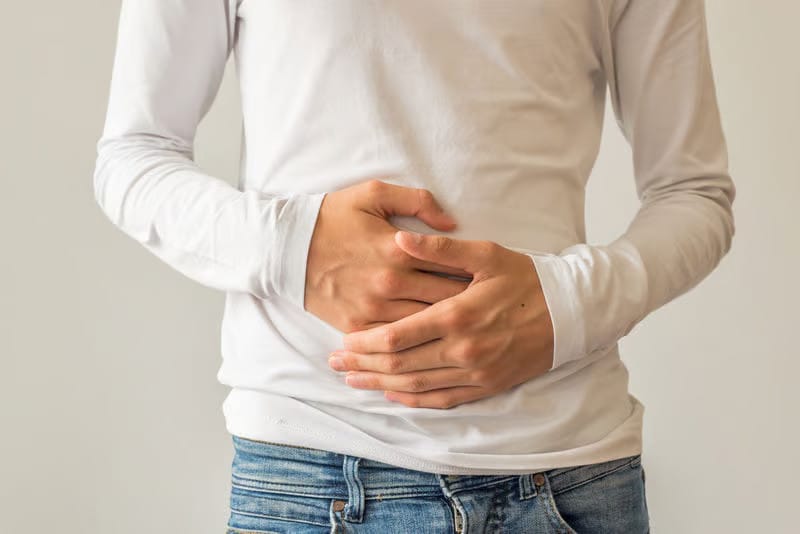
Make no mistake, constipation is a common affliction. And it can be more than a mild inconvenience. Getting stopped up can lead to real gut pain and have some pretty uncomfortable consequences if not handled properly and timely.
Whether you’re feeling stuck (literally and figuratively) or just want a game plan for the next time your digestive system isn’t running smoothly, don’t worry. We’re here to break it down and help you move things along.
What is Constipation?
Before we get into the foods that lead to constipation, it’s important to understand what constipation is. Constipation occurs when you have infrequent or difficult bowel movements. It’s often accompanied by bloating, discomfort, or a feeling of incomplete evacuation. And it’s typically not very fun.
While everyone’s pooping schedule is different, generally speaking, having fewer than three bowel movements per week is considered constipation. Other symptoms include having hard, dry, or lumpy stools, having to strain, or having painful bowel movements, not feeling like the stool has fully passed, or feeling like the rectum is blocked or even needing to help pass the stool (e.g., using a finger).
Understanding these symptoms can help you identify if you're dealing with constipation, which is the first step to addressing the issue.
Common Causes of Constipation
A wide range of factors can increase the likelihood of a bout of constipation. That includes certain medications, medical conditions, and, of course, the foods you eat. Let’s run through some of the most common culprits:
Medications, especially some pain relievers (like opioids), allergy medicines (e.g., antihistamines), some high-blood pressure medicines, diuretics, iron supplements, certain antacids, and more, can slow your digestive system. If you’ve recently begun taking a new medication or a prescription-strength supplement and noticed you aren’t feeling quite as regular as usual, your meds could be to blame.
Similarly, certain medical conditions can slow your system. For instance, irritable bowel syndrome (IBS), diabetes, and hypothyroidism can all contribute to constipation. If so, please reach out to your healthcare professional to help provide expert guidance for your specific situation.
Diet plays a huge role in how well your digestive system is functioning. Foods that are lower in fiber, high in fat, and heavily processed are often big contributors when it comes to digestive issues of all kinds, including constipation.
Is constipation Just an Inconvenience?
Indeed, feeling blocked up from time to time isn’t cause for concern. However, if constipation becomes chronic or more common than not, it can lead to health concerns. For instance, if you have to strain during bowel movements, it can cause the veins in the rectum to swell. This can lead to hemorrhoids, which can be uncomfortable and even painful when inflamed.
Pushing out hard stools can also cause small tears in the skin around the anus, which is again painful and can cause bleeding. In the most severe cases, constipation can lead to a blockage of stool in the intestines. To get things right again, you may need medical intervention.
If you do notice you’re experiencing constipation more often or if it’s already become chronic, especially if it’s combined with vomiting, blood in your stool, or unexplained weight loss, it’s time to make an appointment with your doctor in addition to considering lifestyle changes.

Foods That Lead to Constipation
We’re surrounded by a ready supply of convenient, easy-to-eat foods. Unfortunately, many of them can lead to constipation or cause the blockages to get worse. Some of the biggest offenders include:
Foods high in refined white flour, such as white breads, pastries, and other baked goods. Because these foods have been stripped of fiber, which is essential for keeping your digestive system running smoothly, they can also increase the risk of feeling stuck.
Dairy products, including milk, cheese, and ice cream, can bind up some people, especially those who are lactose intolerant.
Red meat can also contribute to constipation as it contains no fiber and tends to be higher in fat. Red meat can also take longer to digest.
Knowing which foods may contribute to constipation can help you make better dietary choices to alleviate or prevent it.
Foods to Get Digestion Back on Track
Some of the best options to get your digestive system moving again include:
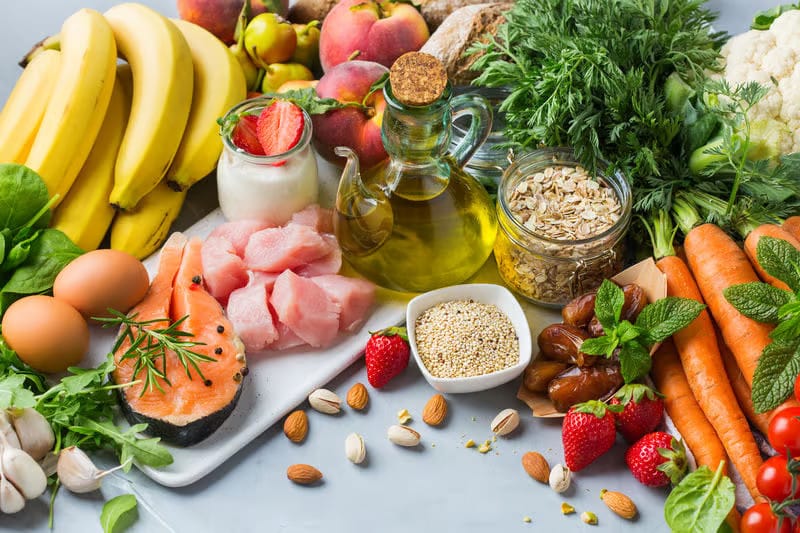
High-fiber foods, such as fruits (especially apples, pears, berries, and ripe bananas), vegetables (including avocado, carrots, beets, and broccoli), legumes (like lentils, kidney beans, and split peas), and whole grains (such as oatmeal, barley, and popcorn), and quinoa. These foods add bulk to your stool to help it pass through more easily.
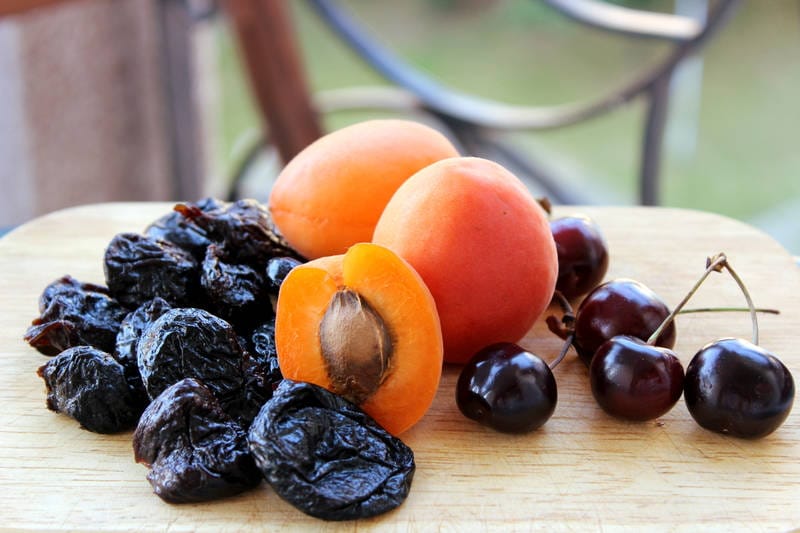
Prunes and figs deserve a special mention as they are also natural laxatives due to their high fiber content and the fact that they contain sorbitol, which is a type of sugar alcohol that draws water into the intestines.
Flaxseeds and chia seeds have a wide range of benefits, including their ability to help move things along due to their high concentration of fiber and omega-3 fatty acids.
Incorporating these foods into your diet can help improve your digestion and alleviate constipation.
More Than Just Diet
Of course, diet isn’t the only thing that affects digestion. Other lifestyle factors can have a big effect on how foods move through your body and out the exit. Physical activity, for instance, can help stimulate intestinal activity. Even something as simple as a daily walk can help move things through the system. Aim for at least 30 minutes a day of moderate exercise to keep the digestive system active.
It can also help to establish a routine. Setting aside time each day to go to the bathroom can sometimes help reestablish regular bowel movements. Sitting down to get the job done at the same time each day can sometimes help. However, if you feel the urge to go, go now! Even if it’s not during your established time. Holding in bowel movements can lead to harder, more difficult-to-pass stools. So, when nature calls, it’s best to answer ASAP.
Some people also find alignment to be important. Our ancestors didn’t sit on thrones to do their duty. They squatted deeply over a hole in the ground. In the U.S. and much of the world, that’s no longer the typical option. Thus, some suggest that elevating the feet on a footstool while on the toilet can better align the colon, so it’s easier to poo. This position mimics a more natural squatting position and may reduce straining to get it all out, especially as we age.
Stress and Constipation
Constipation can also be more common when you’re dealing with stress. The digestive system can be highly sensitive to chronic stress. Taking time during the day to practice deep breathing, meditation, or mindfulness can help reduce stress and promote relaxation. This may, in turn, help you relax and let it all go. There are also specific yoga poses that may help support improved digestion.
Using circular motion and light pressure to gently massage the abdomen may also help stimulate bowel movements. Start on the right side of the abdomen and circle around to the left, following the path of your colon, to help encourage the movement through your intestines.
Incorporating stress-relief techniques can be a helpful part of managing and preventing constipation.
Consider Supplements
You may also want to consider fiber or probiotic supplements. These can be especially helpful if you’re having a hard time getting enough fiber or fermented food into your diet. Remember, though, to start slowly and to drink plenty of water to avoid gas and bloating.
If the other methods don’t seem to be doing the trick, you may consider over-the-counter laxatives for short-term relief. However, these should only be used sparingly and as a last resort. Long-term regular use can make constipation worse over time. If you do think it’s necessary to go this route, talk with your healthcare provider first.
Supplements can aid digestion, but it's important to consult with a healthcare professional before starting any new regimen.
Foods That Lead to Constipation Takeaways
Understanding the foods that can lead to constipation allows you to make informed dietary choices. By incorporating more high-fiber foods and staying active, you can help keep your digestive system in good shape. Additionally, managing stress and considering supplements can further support your digestive health. If you experience chronic constipation, it’s crucial to seek professional advice to address underlying issues.
In summary, maintaining a healthy and balanced lifestyle is key to preventing and alleviating constipation. Small changes can have a significant impact, leading to improved overall wellness.

See other posts like this one:




Wednesday, June 05, 2024
17 Egg Substitutes That'll Transform Your Cooking and Baking Recipes