Wednesday, June 04, 2025
Sweet Potatoes vs. Yams vs. White Potatoes: What You Really Need to Know
Confused about the difference between sweet potatoes, yams, and white potatoes? Learn how they compare in taste, nutrition, and health benefits — and which one is best for your diet.
When you're standing in the produce aisle staring at a pile of orange, brown, and white tubers, it's easy to get confused. Are those yams or sweet potatoes? And how do they compare to the regular white potatoes we’re all used to?
Let’s break it down. While sweet potatoes, yams, and white potatoes all grow underground and get lumped together as “root vegetables,” they’re actually three entirely different plants — with different origins, appearances, tastes, and nutritional benefits.
Sweet Potatoes: The Sweet, Colorful Superfood
Despite often being mislabeled, sweet potatoes are in a category all their own. They’re not related to white potatoes or yams. In fact, they come from the morning glory family and are native to Central and South America.
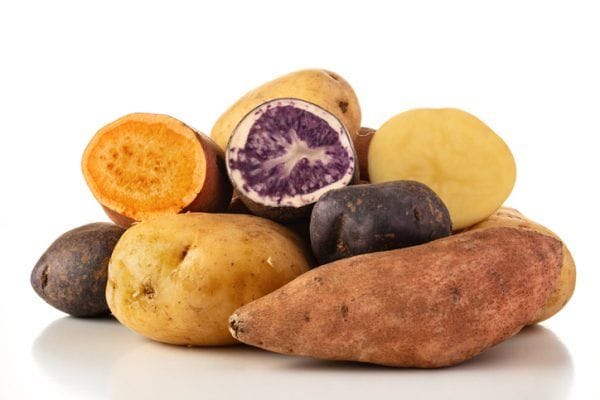
You’ll recognize sweet potatoes by their smoother skin and tapered shape. Their outer skin can be tan, red, orange, or purple, and the flesh inside ranges from creamy white to bright orange to deep purple. When cooked, sweet potatoes are naturally sweet, soft, and full of flavor, which is why they work so well in both savory dishes and desserts.
They’ve become a favorite swap for traditional potatoes in recipes — mashed, roasted, baked, even spiralized into noodles or cut into fries. They’re also a key player at Thanksgiving dinners, often in casseroles or pies (though not everyone agrees on the marshmallows).
Yams: The Real Deal (But Rare in the U.S.)
Yams are a different story altogether. They come from Africa and Asia and belong to the lily family. With over 600 varieties worldwide, yams are a dietary staple in many parts of the world, particularly West Africa.
True yams are much larger and rougher than sweet potatoes. They have a brown, bark-like skin and starchy, less sweet flesh that can be white, purple, or even pinkish. They’re also much drier and more fibrous when cooked. Yams are often boiled, pounded, or mashed — rarely baked, and almost never eaten raw or roasted.
You probably won’t find real yams in a typical U.S. supermarket. What are often labeled “yams” in grocery stores are actually a variety of sweet potato with reddish skin and orange flesh, misleadingly named to differentiate them from other sweet potato types.
So why the confusion? The term “yam” stuck in the U.S. because when African slaves encountered the sweet potato, they saw it resembled the yam they knew back home and began calling it “nyami,” which became “yam” in English. Over time, the name was adopted into labeling, despite not being botanically correct.
White Potatoes: The Familiar Favorite
White potatoes, unlike sweet potatoes or yams, belong to the nightshade family — alongside tomatoes, peppers, and eggplants. They originated in South America and are now among the most commonly consumed vegetables around the world.
There are many types of white potatoes — russet, red, Yukon Gold, and purple varieties, to name a few. Their appearance varies, but they typically have a smooth texture and mild flavor, making them ideal for mashing, baking, frying, and boiling.
Nutritionally, white potatoes are rich in vitamin C, vitamin B6, folate, and potassium. However, they lack the high levels of antioxidants and vitamin A found in sweet potatoes.

Nutritional Breakdown: Which One Wins?
Let’s get into the numbers. Here’s how these three root vegetables compare nutritionally:
Sweet Potatoes
Sweet potatoes are known for their vibrant orange color, which signals a high concentration of beta-carotene — a powerful antioxidant that converts to vitamin A in the body. One medium sweet potato contains over 400% of your daily vitamin A needs. This helps boost immunity, protect vision, and support healthy skin.
They also provide:
- Magnesium
- Fiber
- Copper
- Potassium
- Vitamin B6
- ManganeseVitamin C (35–40% of daily needs)
Sweet potatoes are also known to:
- Fight inflammation with antioxidants
- Support brain function and memory
- Improve insulin sensitivity
- Stabilize blood sugar
The more colorful the sweet potato (especially purple and deep orange varieties), the more antioxidants it contains.
Yams
True yams are higher in calories and carbohydrates than sweet potatoes. They’re a good source of:
- Fiber
- Vitamin B6
- Vitamin C
- Manganese
- Potassium
They don’t have the antioxidant punch of sweet potatoes, but they do offer benefits — especially for bone, nerve, and heart health. Some compounds found in yams may help balance hormones, particularly progesterone, and may offer relief for PMS or menopause symptoms.
However, yams haven’t been studied nearly as extensively as sweet potatoes, so less is known about their broader health impact.
White Potatoes
White potatoes are often unfairly dismissed, but they do have value:
- Fiber (especially with the skin on)
- Manganese
- Potassium
- Folate
- Vitamin B6
- Vitamin C
That said, they don’t contain vitamin A or many antioxidants, and they rank higher on the glycemic index, meaning they can spike blood sugar more than sweet potatoes or yams.
- Yams: GI around 50 (lowest impact)
- Sweet potatoes: GI around 60 (moderate impact)
- White potatoes: GI around 75 (highest impact on blood sugar)
- Glycemic Index (GI): How They Affect Blood Sugar
If you’re diabetic or managing blood sugar, sweet potatoes or yams are a better choice than white potatoes. Sweet potatoes also have more fiber, which helps slow sugar absorption and keeps you full longer.
Final Verdict: Which Is Best?
In terms of overall nutrition, sweet potatoes are the top choice. They’re rich in vitamins, antioxidants, and fiber. They help regulate blood sugar, support your immune system, and protect against disease.
But that doesn’t mean white potatoes or yams are bad. Each has its place in a healthy diet — the key is how you prepare them.
Skip the frying. Roast, bake, or steam instead. And for extra nutrition, eat them with a little healthy fat (like grass-fed butter) to help your body absorb fat-soluble nutrients.
In Summary
- White potatoes: Familiar, filling, and rich in essential minerals — just not as nutrient-dense.
- Yams: Rare in the U.S., more starchy and fibrous. Nutritional underdog but still beneficial.
- Sweet potatoes: Nutrient-rich, naturally sweet, antioxidant-packed. Great for blood sugar and immune health.
All three can be part of a healthy diet. It’s not about picking one “winner,” but choosing what works best for your body, your taste, and your health goals.

See other posts like this one: