Monday, June 03, 2024
Tailoring Mealtimes For Health: Should Your Largest Meal Be Lunch or Dinner?
Discover the best time for your largest meal to optimize your health. Is it lunch or dinner? Find out in this informative article filled with expert tips and advice.
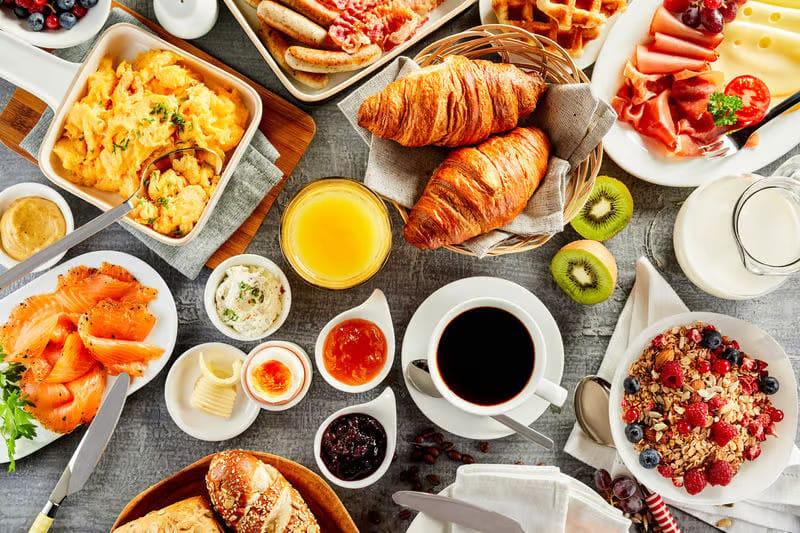
If you've spent any time at all in the whirlwind of health and nutrition advice, you've likely encountered the age-old debate about meal timing. 'Breakfast like a king, lunch like a prince, dinner like a pauper' is a phrase synonymous with nutritional wisdom, but the question remains: is it universally true? In this comprehensive exploration of meal timing, we'll sift through the evidence to answer a pressing query for health enthusiasts and fitness lovers alike: Should your biggest meal of the day be at lunch or at dinner?
Chrono-Nutrition: Understanding the Science
Chrono-nutrition isn't new. It's a concept that acknowledges the importance of not only what you eat but when you eat it. The body's natural rhythms, also known as circadian rhythms, dictate a variety of physiological functions, including digestion and metabolism. Studies have shown that eating out of sync with these rhythms can have adverse effects on health.
For example, late-night eating has been linked to weight gain and metabolic disorders due to the body's reduced ability to process foods efficiently.
Conversely, eating a substantial meal earlier in the day aligns with our natural ebb and flow of energy and metabolism, typically ascending in the morning and waning in the evening. The food you eat at these natural peaks and troughs may either support or sabotage your body's processes. Therefore, chrono-nutrition advocates for a calorie distribution that mirrors the body's natural energy curve, with the largest meal potentially falling in the midday to mid-afternoon window.
Chrono-Nutrition: Understanding the Science
Intermittent fasting, in its various forms, has galvanized the diet industry, with devotees claiming a litany of benefits, from weight loss to longevity. A popular method, the 16/8 approach, involves an eight-hour window for eating, often placing the largest meal conveniently at midday or evening, dependent on an individual's schedule and preference.
Research on intermittent fasting is significant but not definitive. Some studies suggest its potential for weight loss and metabolic health improvements, while others are more cautious about the generalizability of the findings. That said, fasting does seem to offer a framework that supports chrono-nutritional guidelines, promoting larger meals during the most metabolically active times.
The Forgotten Meal: Lunch
In the modern rush, lunch can often become a side-thought, reduced to a quick bite at the desk or a meal deal on the run. But for adherents of chrono-nutrition, lunchtime is the sweet spot, the optimal time for a substantial meal. It's the hour where our digestive systems are at their peak function, with stomach acid secretion and enzyme production reaching daily highs.
Further, a hearty lunch can fend off the slump many of us encounter in the afternoons, providing a sustained release of energy and preventing the need for late-day snacking. Lunch also has social implications, often the best time to connect with colleagues or family without the constraints of evening commitments or the urgency of the impending workday.
Healthy Lunch Ideas
If the evidence has convinced you that a larger lunch might be in order, it's time to reconsider what's on your midday plate. A well-balanced lunch should provide a mix of macronutrients — proteins, fats, and carbohydrates — in portions that align with your daily caloric needs and activity levels. Diversifying your options with lean proteins, whole grains, and plenty of vegetables can help ensure you're getting the nutritional breadth and depth to sustain you through the day.
Healthy lunch ideas might include:
- A quinoa and vegetable stir-fry
- A turkey, avocado, and spinach wrap
- Grilled salmon with a side of sweet potato and asparagus
- A wild rice salad with chickpeas, cucumber, and a lemon-tahini dressing

See other posts like this one:

Friday, November 15, 2024
Understanding the Difference Between Tight and Stiff Muscles (and How to Loosen Them)





Friday, November 15, 2024
Too Busy to Exercise? Here’s a 15-Minute Full-Body Workout You Can Do Anywhere
Friday, November 15, 2024
Slugging, Slicking, or Slathering: What’s the Best Way to Hydrate Your Skin?