Saturday, June 01, 2024
The 6 Healthiest Seeds to Eat For Your Diet
Looking to add some nutritional value to your diet? These 6 seeds are packed with vitamins and minerals, making them the perfect addition to any meal.
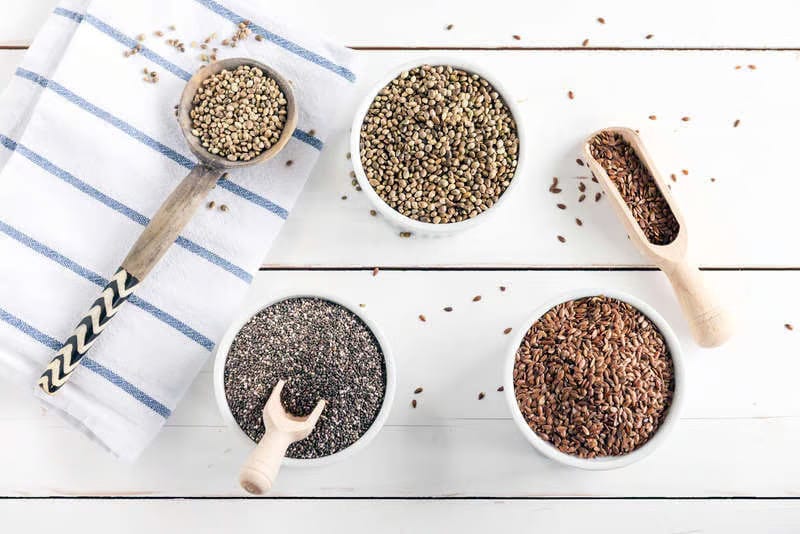
Whether they’re sprinkled whole, crushed into smaller bits, dried, or pureed into spreads, tiny seeds offer huge health benefits when included in the diet. These superfoods offer quality plant-based protein, a wide range of nutrients (including vitamins, minerals, antioxidants, etc.), and healthy fats to provide long-lasting energy that outsizes their small proportions. Plus, they add amazing flavor and texture to meals.
In this post, we'll explore the six healthiest seeds you should consider incorporating into your diet.
1. Chia Seeds
Nutritional Powerhouse
Chia seeds are tiny but mighty. They are packed with omega-3 fatty acids, fiber, protein, and various micronutrients like calcium, magnesium, and phosphorus. Just one ounce (about 28 grams) of chia seeds contains nearly 10 grams of fiber.
Health Benefits
- Weight Management: The high fiber content in chia seeds helps you feel full longer, which can aid in weight management.
- Heart Health: Rich in omega-3 fatty acids, chia seeds are great for heart health by helping to reduce inflammation and lower cholesterol levels.
-
Bone Strength: With a significant amount of calcium and magnesium, chia seeds contribute to bone health.
How to Use
Add chia seeds to smoothies, yogurt, oatmeal, or use them to make chia pudding. They can also be used as an egg substitute in vegan baking.
2. Flaxseeds
Nutritional Highlights
Flaxseeds are another omega-3-rich seed that also contains lignans, a type of antioxidant. They are high in fiber and provide a good amount of B vitamins, magnesium, and manganese.
Health Benefits
- Digestive Health: The fiber in flaxseeds aids in digestion and can help prevent constipation.
- Hormonal Balance: Lignans in flaxseeds can help balance hormones and may reduce the risk of certain hormone-related cancers.
- Heart Health: Like chia seeds, the omega-3 fatty acids in flaxseeds support heart health.
How to Use
Ground flaxseeds are easier for your body to digest than whole ones. Sprinkle ground flaxseeds on your cereal, mix them into smoothies, or use them in baking.
3. Pumpkin Seeds
Nutritional Value
Pumpkin seeds, also known as pepitas, are rich in antioxidants, iron, zinc, magnesium, and a good source of protein. They also contain healthy fats, including omega-6 fatty acids.
Health Benefits
- Immune Support: High in zinc, pumpkin seeds help to boost the immune system.
- Prostate Health: Some studies suggest that pumpkin seeds may promote prostate health.
- Heart Health: Magnesium in pumpkin seeds is crucial for maintaining a healthy heart and regulating blood pressure.
How to Use
Enjoy pumpkin seeds as a snack, add them to salads, or blend them into pesto for a nutty flavor.

4. Hemp Seeds
Nutritional Profile
Hemp seeds are a complete protein, providing all nine essential amino acids. They are also rich in omega-3 and omega-6 fatty acids, fiber, and an array of vitamins and minerals, including vitamin E, phosphorus, potassium, and magnesium.
Health Benefits
- Muscle Growth and Repair: As a complete protein, hemp seeds are excellent for muscle growth and repair.
- Skin Health: The balanced ratio of omega-3 and omega-6 fatty acids promotes healthy skin.
- Anti-Inflammatory Properties: Hemp seeds have anti-inflammatory properties that can help alleviate symptoms of chronic conditions.
How to Use
Sprinkle hemp seeds on cereal, yogurt, or salads, or blend them into smoothies. They can also be made into hemp milk for a dairy-free alternative.
5. Watermelon Seeds
Nutritional Insights
Watermelon seeds are often overlooked but are incredibly nutritious. They are high in protein, essential fatty acids, magnesium, zinc, iron, and folate.
Health Benefits
- Energy Boost: Packed with protein and healthy fats, watermelon seeds offer a great energy boost.
- Skin and Hair Health: Rich in antioxidants and fatty acids, they support skin and hair health.
- Heart Health: Magnesium in watermelon seeds helps to regulate heart function and control blood pressure.
How to Use
Roasted water melon seeds make a delicious and nutritious snack. You can also add them to salads or use them as a topping for yogurt and smoothie bowls.
6. Pomegranate Seeds
Nutritional Benefits
Pomegranate seeds, also known as arils, are not only tasty but also packed with fiber, vitamins C and K, and antioxidants like polyphenols.
Health Benefits
- Antioxidant Power: Pomegranate seeds are rich in antioxidants that can help fight inflammation and protect cells from damage.
- Heart Health: The polyphenols in pomegranate seeds are beneficial for heart health, helping to reduce blood pressure and cholesterol levels.
- Digestive Health: High in fiber, pomegranate seeds support digestive health and help maintain regularity.
How to Use
Enjoy pomegranate seeds as a snack, sprinkle them on salads, mix them into yogurt, or blend them into smoothies.
Healthiest Seeds to Eat: A Recap
Incorporating these six healthiest seeds—chia, flax, pumpkin, hemp, watermelon, and pomegranate—into your diet can provide significant health benefits. From boosting heart health and aiding in digestion to offering a rich source of plant-based protein and healthy fats, these seeds are tiny nutritional powerhouses.
By adding a variety of these seeds to your meals, you can enjoy delicious flavors and textures while reaping the rewards of their impressive nutrient profiles. Experiment with different ways to include them in your diet, and discover how easy it is to enhance your overall health with these simple superfoods.
Start today by sprinkling some chia seeds on your morning yogurt or adding a handful of pumpkin seeds to your afternoon salad. Your body will thank you for it!

See other posts like this one:




Monday, June 24, 2024
Loosen Up! 7 Essential Hip Flexor Stretches and Exercises for Fitness Enthusiasts







Monday, June 24, 2024
Dance Your Way to Fitness The Ultimate Guide to Hip-Hop Cardio Workouts

Sunday, June 23, 2024
Unleashing Your Hidden Power Understanding Relative Strength in Fitness

Sunday, June 23, 2024
Elevate Your Strength - When You Should Increase Your Weights in the Gym