Tuesday, June 04, 2024
The 7+ Best Diets in 2023 (And 5 You Should Avoid)
Ready to get your health on track? Discover the top diets that will help you achieve your goals and avoid those that may do more harm than good. Start living your healthiest life today!
Navigating the cornucopia of diets in today's wellness landscape can be confusing and even overwhelming. For every fad that promises quick fixes, there are substantial diets based on time-proven nutritional wisdom and scientific research. With the confrontational growth of the wellness industry, it's increasingly important to sort the beneficial from the bogus when it comes to dietary trends that encompass better health outcomes.
In this comprehensive analysis, we'll explore the seven best diets that are making waves in 2023, examining why they are effective, who they're suitable for, and their potential benefits. We'll also highlight five diets that might not offer the health benefits they claim, steering you away from any potential pitfalls.
Best Diets for 2023
1. High-Protein Diet
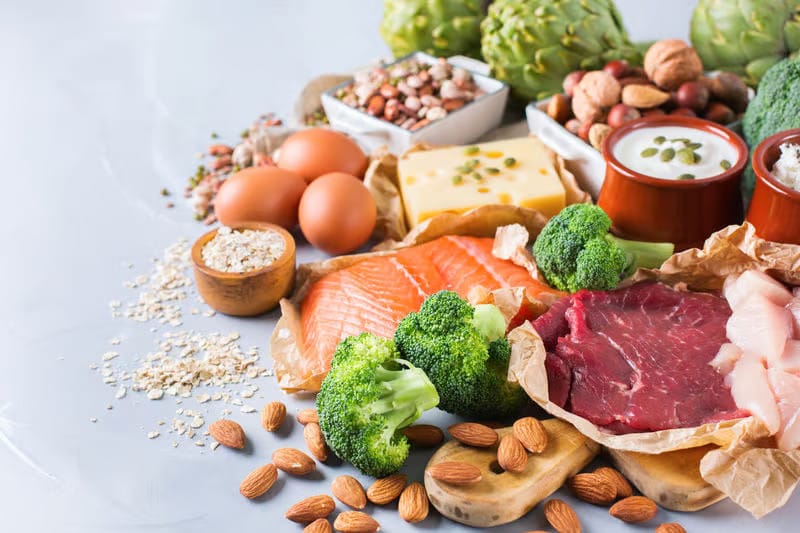
The high-protein diet has been a stalwart in weight management and athletic training for decades. Protein is an essential macronutrient for muscle repair and growth, and increasing its proportion in your diet can have numerous benefits.
This diet typically involves a significant increase in the consumption of foods rich in protein, such as lean meats, fish, dairy, and plant sources like beans and legumes. For those looking to shed pounds, a high-protein diet can help reduce appetite and boost metabolism, resulting in fewer calories consumed overall.
This diet can be suitable for individuals who are active and need ample protein to support their fitness goals. Benefits may include weight loss, improved muscle mass, and better overall health. However, it is not always suitable for those with kidney issues or certain medical conditions that require dietary restrictions.
2. Mediterranean Diet
Renowned for its heart-healthy properties, the Mediterranean diet is a nutritional approach inspired by traditional dietary patterns of certain Mediterranean cultures. It emphasizes the consumption of fruits, vegetables, whole grains, nuts, seeds, and olive oil, with a moderate intake of fish and poultry.
The Mediterranean diet is not merely about what you eat, but also about how you eat—encouraging a slower pace and socializing while enjoying meals. Studies have shown this diet to be effective in reducing the risk of heart disease, stroke, and some cancers.
It is a flexible and sustainable diet with a wealth of potential health benefits. It can be adopted by most individuals and has been linked to improved longevity.
3. Low-Carb Diet
Low-carb diets have surged in popularity over the years, with notable plans like the Atkins and ketogenic diets dominating the scene. These regimens involve cutting back on carbohydrates, which spurs the body to burn fat as a primary energy source, leading to accelerated weight loss for many people.
A low-carb diet typically means reducing or entirely excluding high-carb foods like sugars, pasta, bread, and some starchy vegetables. This diet can benefit those with type 2 diabetes by helping to control blood sugar levels, as well as those seeking rapid weight loss.
However, experts recommend caution with extremely low-carb diets due to potential health risks and the difficulty of maintaining such a restrictive eating pattern over the long term.
4. Fasting
Intermittent fasting (IF) and extended fasting have gained traction as both weight management tools and ways to promote cellular repair and longevity. IF involves cycling between periods of eating and fasting, and can come in various forms, such as the 16/8 method, which entails a daily eating window of 8 hours and fasting for the remaining 16 hours.
Fasting can lead to significant reductions in calorie intake and positive changes in various health markers, including insulin sensitivity, levels of growth hormone, and cellular repair processes. A considerable benefit of fasting is its simplicity and flexibility, allowing individuals to tailor the practice to fit their lifestyle.
However, fasting is not suitable for everyone, particularly those with a history of eating disorders or who are pregnant or breastfeeding. It is crucial to consult with a healthcare professional before integrating fasting into your routine.
5. Plant-Based Diets
Plant-based diets prioritize foods derived from plants, with minimal to zero consumption of animal products. This includes fruits, vegetables, nuts, seeds, oils, whole grains, legumes, and beans. The emphasis on nutrient-dense plant foods provides numerous health benefits including a reduced risk of chronic diseases like heart disease, certain cancers, and type 2 diabetes.
A plant-based diet can also aid in weight management and provide energy due to the abundance of complex carbohydrates. It can be suitable for most individuals and is recommended by many health organizations as a sustainable and healthful eating pattern.
There are variations within plant-based diets, from veganism to more flexible approaches that allow for occasional animal product consumption.
6. Paleo Diet
The paleo diet, sometimes referred to as the "caveman diet," advocates eating the way our ancient ancestors did. It consists of whole foods like lean meats, fish, fruits, vegetables, nuts, and seeds, and excludes processed foods, grains, legumes, and dairy.
Advocates of the paleo diet assert that our bodies are not designed to process the modern foods that agriculture and industrialization have brought about, and claim potential benefits related to weight loss, improved blood sugar control, and reduced inflammation.
While the paleo diet emphasizes whole foods, which is a positive aspect, it can be quite restrictive. Some nutritional experts caution against the elimination of entire food groups that could lead to nutrient deficiencies if not carefully planned.
7. Diet for Specific Needs
For individuals with specific health issues or concerns, tailored diets that address these needs can be highly effective. For example, the DASH diet (Dietary Approaches to Stop Hypertension) is designed to prevent and treat hypertension by emphasizing fruits, vegetables, lean protein, and low-fat dairy.
Similarly, the MIND diet combines aspects of the Mediterranean and DASH diets to reduce the risk of Alzheimer's disease. These specialized diets often have robust scientific evidence behind them and can bring significant health improvements when followed under the guidance of a healthcare professional.

See other posts like this one:




Monday, June 03, 2024
Tailoring Mealtimes For Health: Should Your Largest Meal Be Lunch or Dinner?