Sunday, June 02, 2024
The Best Non-Dairy Milk Options for Your Health Goals
Trying to cut back on dairy? Discover the best non-dairy milk options that can help you meet your health goals without sacrificing taste or nutrition.
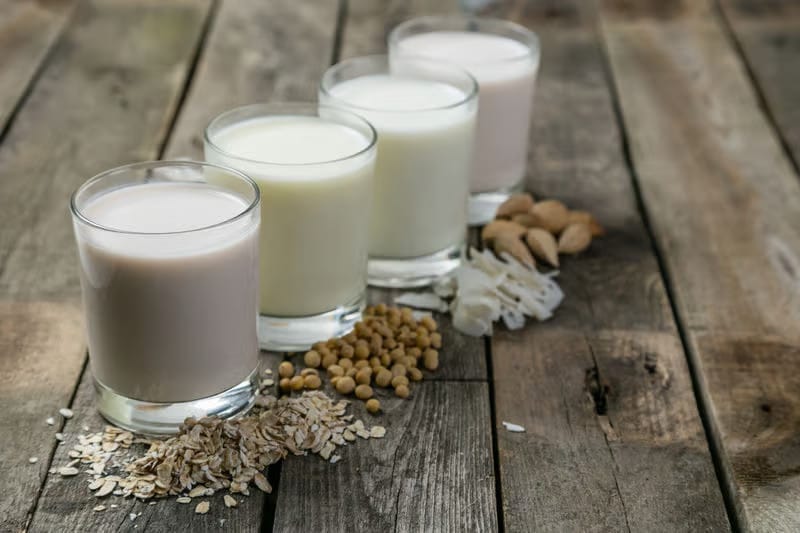
In a world where health and environmental consciousness are increasingly intertwined, the once niche aisle of non-dairy milk has seemingly exploded overnight. People are shifting towards plant-based alternatives for a multitude of reasons – from allergies and lactose intolerance to general health and ethical concerns. But with such a wide array of non-dairy milks lining the shelves, how do you choose the right option that aligns with your health and wellness goals?
Understanding the nutritional profiles, flavor nuances, and potential allergens of each variety is crucial to making an informed choice. In this comprehensive guide, we will closely examine the best non-dairy milk options in the market today, dissecting their individual benefits and best use-cases for you to select the perfect pairing for your lifestyle.
Soy Milk: The All-Rounder
Once a pioneer in the non-dairy aisle, soy milk still remains a popular choice due to its rich nutrient content. With a high protein profile mirroring that of cow's milk, soy milk stands out as the most nutritionally similar to dairy milk. It also contains all essential amino acids, making it a complete protein source.
Soy milk is naturally lower in sugar than some plant-based alternatives, but its phytoestrogen content has sparked some debate. For those with thyroid issues or hormone sensitivities, almond or oat milk may be more preferable. However, for a balanced diet or a transition period away from dairy, soy is a dependable choice.
Almond Milk: The Low-Calorie Option
Almond milk, known for its subtle nutty flavor, is the go-to for those seeking a lower calorie, low-carb alternative. It is naturally lactose-free, gluten-free, and generally low in sugar. When store-bought, ensure that it's fortified with vitamins and minerals, particularly calcium and vitamin D, to match the nutrient content of cow's milk.
Almond milk is also environmentally friendly, requiring significantly less water to produce than almond's dairy counterpart. The downside is its lower protein content, which means it's not a suitable protein supplement for those who rely on milk for protein intake.
Oat Milk: The Creamy Companion
Oat milk has rocketed in popularity for its creamy texture and naturally sweet flavor. It's a stellar base for lattes and adds a luxurious touch to cereals and baked goods. Nutritionally, it's often higher in calories and carbohydrates, but the balance tips favorably with its high fiber content, which is great for your digestive system and can aid in weight management.
In addition, oat milk is one of the more sustainable options in the non-dairy range, with a lower carbon footprint compared to almond milk. Those with gluten sensitivities should opt for brands that specifically label their milk as gluten-free.

Coconut Milk: The Exotic Choice
Coconut milk is prized for its thick, full-bodied texture and a naturally sweet, tropical taste. It's incredibly versatile, finding its way into cooking and baking as a dairy substitute, as well as a stand-alone beverage. However, it's important to differentiate between the canned coconut milk used in cooking and the carton variety designed for drinking, which has a much lower fat content.
Coconut milk is higher in saturated fat, which may be a concern for those watching their heart health. Like almond and oat milk, it's naturally lactose-free and safe for those with dairy allergies or lactose intolerance. Ensure that your coconut milk is fortified, especially with calcium, if you're opting for it as a regular milk replacement.
Hemp Milk: The Nutrient Powerhouse
Hemp milk is derived from the seeds of the hemp plant, a variety of the Cannabis sativa species. Before you worry about THC levels, know that hemp seeds used for food products are required to have no trace of the psychoactive compound. What hemp milk does offer is an impressive nutritional profile, rich in omega-3 and omega-6 fatty acids, essential for brain function and maintaining heart health.
It's a great option if you're looking for a milk high in healthy fats and has a complete protein source, perfect for those on a vegan or vegetarian diet. The mild, slightly nutty flavor of hemp milk makes it an excellent complement to both sweet and savory dishes.
Pea Milk: The Rising Star
Pea milk, made from yellow peas, is a relative newcomer to the non-dairy milk market but is quickly gaining traction. It's a hit among those who want a protein-packed option. With about 8 grams of protein per serving, it's the plant milk with the highest protein content, rivalling that of cow's milk.
Pea milk also boasts a creamy texture and is often fortified to match the nutritional content of dairy milk. It tends to be more sustainable than almond milk, as it doesn't require as much water for production. Those with nut or soy allergies find pea milk a welcome addition as it's free from both.
Flax Milk: The Omega-Oozing Elixir
Flax milk is another non-dairy gem that packs a punch of omega-3 fatty acids, important for brain health and reducing inflammation. Its nutritional content depends on whether it's enriched with additional vitamins and minerals, so be sure to read labels if you're looking for a fortified option.
This milk has a slightly nuttier flavor and thinner consistency compared to some other plant-based milks. It's an excellent choice for those looking to boost their omega-3 intake without the use of fish or fish-derived products and pairs well with a multitude of dishes.
By understanding the benefits and flavors of each non-dairy milk option, you can make a selection that's not only delicious but also aligns with your health and wellness objectives. Remember to check for fortification and added sugars, and be mindful of any allergies or sensitivities when making your choice. Whether you're sipping on a latte or enjoying a bowl of cereal, the perfect plant-based milk is out there waiting to enhance your health and satiate your taste buds.

See other posts like this one:







Thursday, November 14, 2024
Understanding GLP-1 and Natural Ways to Boost It for Weight Management