Thursday, June 05, 2025
The Complete Guide to Black Seed Oil: Health Benefits, Uses, and Buying Tips What Is Black Seed Oil?
Discover the powerful benefits of black seed oil, from fighting inflammation and boosting immunity to supporting skin health and weight loss. Learn how to use it, what to look for when buying, and why this ancient remedy is making a modern comeback.
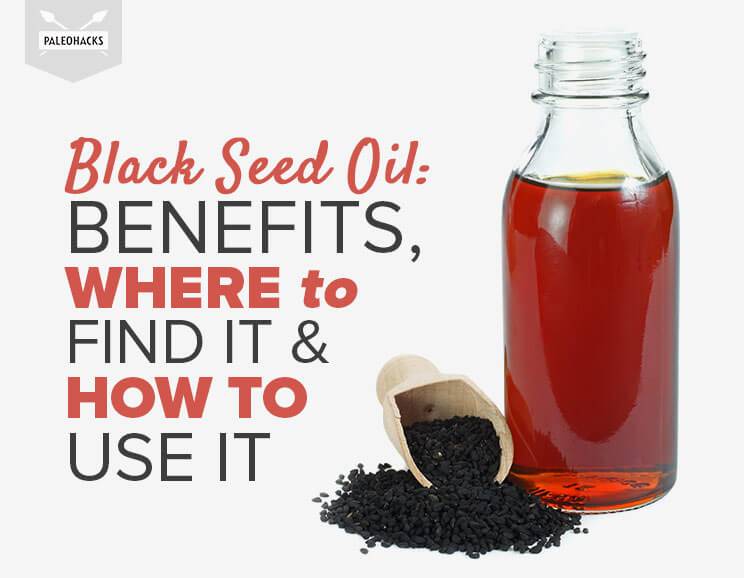
Black seed oil is made from the seeds of the Nigella sativa plant, a flowering herb native to Southwest Asia, the Middle East, and parts of Eastern Europe. Also known as black cumin seed oil, kalonji oil, or simply black oil, it has a long history of use in traditional medicine.
Historical records show that Nigella sativa seeds were used as far back as ancient Egypt. In fact, they were found in King Tutankhamun’s tomb and mentioned in ancient Greek and Islamic medical texts. The seeds earned the name “Habbatul barakah” in Arabic, which translates to “seed of blessing”—a fitting title for a plant with such a wide array of uses.
Today, scientific research is uncovering why this ancient remedy continues to be revered. Thanks to its powerful active compounds—particularly thymoquinone, thymohydroquinone, and thymol—black seed oil is being studied for its effects on everything from diabetes and cancer to skin conditions and immune function.
9 Proven Health Benefits of Black Seed Oil
Let’s break down what modern science says about the benefits of black seed oil—and why it may be worth incorporating into your health routine.
1. Supports Blood Sugar Control and May Prevent Diabetes
One of the most promising areas of research involves black seed oil’s potential in preventing and managing type 1 and type 2 diabetes.
In animal studies, black seed oil has been shown to:
- Support the regeneration of pancreatic beta cells, which produce insulin
- Reduce insulin resistance
- Lower fasting blood sugar levels
- Improve glucose tolerance
Some studies even suggest that black seed oil may be as effective as common diabetes medications like metformin, but without the side effects like bloating, headaches, or digestive upset.
Note: While promising, these findings should be viewed as complementary, not replacements for medical treatment. Always consult your doctor before making changes to your health routine.
2. May Offer Anti-Cancer Properties
Research shows that black seed oil contains thymoquinone, which has demonstrated anti-tumor effects in a range of cancer types, including:
- Pancreatic cancer
- Breast cancer
- Colon cancer
Studies show thymoquinone may:
- Enhance the effectiveness of chemotherapy
- Slow or stop metastasis (spread of cancer)
- Promote apoptosis (cell death in cancerous cells)
- Inhibit cancer cell proliferation
One notable study found that a combination of black seed oil and chemotherapy reduced tumor size and lowered treatment toxicity—a major concern in standard cancer treatments.
3. Protects and Detoxifies the Liver
Your liver is your body’s primary detox center. Keeping it healthy is crucial, especially in a world full of environmental toxins, processed foods, and pharmaceutical residues.
Black seed oil has been shown to:
- Improve antioxidant enzyme levels in the liver
- Mitigate radiation-induced liver injury
- Protect liver tissue from damage caused by toxic metals, such as cadmium
These protective effects make black seed oil a potential aid for people recovering from medication overuse, exposure to pollutants, or chronic alcohol use.
4. Reduces Inflammation Throughout the Body
Chronic inflammation is a key contributor to numerous diseases, including:
- Asthma
- Osteoporosis
- Arthritis
- Autoimmune disorders
- Heart disease
Black seed oil has demonstrated strong anti-inflammatory properties in both internal and topical applications. Thymoquinone in particular helps block enzymes and molecules that trigger inflammation, making it useful for:
- Gut health support
- Lung inflammation (from allergies or asthma)
- Joint pain relief
5. Promotes Skin Clarity and Anti-Aging
Topical black seed oil is a natural remedy for several skin conditions. It works thanks to a mix of:
- Rich antioxidant content
- Anti-inflammatory effects
- Antibacterial properties
In clinical trials, applying black seed oil reduced acne lesions within 60 days. It also shows potential in:
- Inhibiting skin cancer development in preclinical models
- Healing minor wounds and scars
- Preventing signs of premature aging
- Calming eczema and psoriasis
6. Fights Harmful Bacteria and Fungal Infections
Black seed oil has emerged as a powerful natural antimicrobial.
Studies show it can effectively inhibit:
- Staphylococcus aureus (including antibiotic-resistant strains)
- Candida albicans (a common cause of yeast infections)
- 30+ different bacterial strains
This makes black seed oil particularly valuable at a time when antibiotic resistance is on the rise. Its use may help reduce dependency on prescription antibiotics in minor infections.
7. May Support Healthy Weight Loss
Weight loss involves more than just diet and exercise. Hormonal balance, inflammation, and blood sugar control play huge roles.
Black seed oil supports weight loss by:
- Decreasing systemic inflammation
- Supporting liver detoxification
- Improving glucose metabolism
- Reducing insulin resistance
Several human and animal studies have observed weight reduction in participants using black seed oil as a supplement—especially when combined with a healthy diet.

8. Boosts Immune Function Naturally
Your immune system is your body’s first line of defense. Black seed oil supports immune health by:
- Protecting against oxidative stress
- Increasing T-cell responsiveness
- Enhancing natural killer cell activity
It has even shown radioprotective effects—meaning it can help guard the immune system from damage caused by radiation exposure, including medical treatments like X-rays or CT scans.
9. Alleviates Allergy Symptoms
Black seed oil may be an effective natural treatment for seasonal allergies, including:
- Itchy eyes
- Nasal congestion
- Sneezing
- Runny nose
One study found that participants experienced significant relief from allergy symptoms within two weeks of using black seed oil. This is likely due to its ability to block histamine and reduce allergic inflammation.
Where to Buy Black Seed Oil (and What to Look For)
You can find black seed oil in:
- Specialty supplement shops
- Online retailers (like Amazon, Activation Products, or Thrive Market)
- Health food stores
Buying Tips:
To get the most benefits, look for products that are:
- Packaged in dark glass bottles (to prevent oxidation and rancidity)
- Free from additives or fillers
- Organic and non-GMO
- Cold-pressed100% pure
- Nigella sativa oil
Names can vary—watch for “black cumin oil,” “kalonji oil,” or “black seed oil”—but the ingredient label should clearly list Nigella sativa as the only ingredient.
How to Use Black Seed Oil
Internal Use:
- Avoid heating at high temperatures to preserve its nutrients
- Add to salad dressings, smoothies, or warm herbal teas
- Take 1–2 teaspoons per day, preferably with food
Topical Use:
- Use with a carrier oil (like jojoba or coconut) if you have sensitive skin
- Massage into the scalp and hair ends before shampooing for added shine
- Apply to clean skin as a natural moisturizer or acne treatment
Capsules:
- Ideal if you prefer not to taste the oil directly
- For convenience, black seed oil is also available in softgel form
Final Thoughts
Black seed oil isn’t just a health trend—it’s a time-tested remedy backed by both tradition and science. From fighting inflammation and balancing blood sugar to promoting clearer skin and stronger immunity, its range of benefits is impressive.
Of course, it’s not a miracle cure. But it is a powerful, natural supplement worth considering—especially if you’re looking to support your body’s natural healing systems without harsh chemicals or side effects.
If you’re exploring natural wellness options, black seed oil might just be the “seed of blessing” you’ve been looking for.

See other posts like this one:


Wednesday, September 11, 2024
Busy Life, Fitter You No Gym Required for This 15-Minute Full-Body Workout

Wednesday, September 11, 2024
The Great Debate: Walking vs. Jogging for Your Fitness Journey



Monday, September 09, 2024
From Pain Relief to Performance Boost: How Kinesiology Tape Works






Friday, September 06, 2024
Why “Cage-Free” Eggs Are Misleading — And the Eggs With 10x to 22x More Omega-3s