Sunday, June 02, 2024
The Correct Portion Sizes of 16 Favorite Snack Foods
Want to enjoy your favorite snack foods without going overboard? Check out these portion-size recommendations for popular snacks.
In the vast landscape of dietary choices, the consumption of snack foods often teeters on the spectrum from mindless munching to meticulously-measured morsels. For the health-conscious and weight-watchers, 'portion control' is not just a buzzword but a critical component of maintaining a balanced lifestyle.
Understanding the ideal portions of our favorite snack items can be a game-changer, ensuring we savor the flavors without tipping the scale in the wrong direction. Here, we unpack the mystery of portion control for 16 snack staples, helping you see past the packaging and into the nutritional nitty-gritty.
The Correct Portion Size For These Popular Snacks
1. Cereal
Despite being a go-to for many breakfast lovers, cereal consumption can easily become an overstated affair. Most cereal bowls are larger than a single serving, leading to excess calorie and sugar intake. The ideal portion of breakfast cereal is typically 1 cup, or about the size of a baseball. Opt for whole-grain, low-sugar options to make the most of your servings, and pair it with a lean protein for a balanced meal.
2. Cheese
Cheese is a beloved snack or addition to meals, but it's often enjoyed in large quantities. A single serving of cheese is approximately the size of four stacked dice, or 1.5 ounces. This equates to a small sliced portion or a cheese stick. Moderation is crucial due to its high fat content — choose low-fat varieties for a healthier option and be mindful of the type you select, as certain cheeses pack more calories and sodium than others.
3. Chocolate Bar
Chocolate can be a nutritious snack, especially dark chocolate with high cocoa content, which is rich in antioxidants. However, indulging in chocolate bars can stack up the calories and sugar. A single serving, about 1 ounce, is roughly the size of a standard business card. Opt for 70% cocoa or higher, and savor each bite to truly enjoy the flavor without overindulging.
4. Crackers
Often the inviting pair to cheese or dips, crackers also require portion awareness. A single serving is about 5 whole-grain crackers, typically tennis ball-sized. Select crackers with minimal processing and added sugars, and be aware that they can be calorie dense.
5. Fresh Fruit
Fresh fruits are an excellent snack, but their natural sugars mean it is still possible to overdo it. A serving size varies with different fruits but a general rule of thumb is one small to medium-sized piece, like an apple or a banana. Berries are quite low in sugar and can be enjoyed in larger amounts as well. Pair your fruit with a protein or fat source, like nut butter or yogurt, to balance your snack.
6. Fresh Veggies
Veggies are a low-calorie snacker's best friend. A portion size for fresh vegetables is about 1 cup raw, roughly the size of a baseball. Enjoy them with hummus, salsa, or a light dip to add some flavor while still keeping your snack healthful and low in calories.
7. Granola
Often perceived as a health food, granola can be surprisingly calorific, thanks to added sugars and fats. A single serving of granola is typically a quarter of a cup, the size of a large egg, and should be substantial enough for a snack when paired with a protein like Greek yogurt.
8. Hummus
Hummus, made from chickpeas and spices, is a nutritious dip. A single serving is about 2 tablespoons, or the size of a golf ball. Enjoy with veggie sticks, on whole-grain pita, or as a spread on a sandwich to keep portion sizes in check.

9. Ice Cream
Ice cream is a treat enjoyed by many, and portion control is especially crucial here. A single serving of ice cream is typically half a cup, or the size of a tennis ball. Opt for a smaller, high-quality serving to satisfy your sweet tooth without an overwhelming calorie count.
10. Jelly Beans
A single serving of candy, such as jelly beans, is typically about 15 pieces, or the size of a one-ounce box. For those times when you need a sweet fix, being conscious of the portion size can help manage your sugar intake without completely forgoing a treat.
11. Nuts
Although high in healthy fats, nuts are calorie-dense and should also be consumed in moderation. A portion is roughly 1 ounce, which equates to about 23 almonds, 14 walnut halves, or just 18 cashews. Enjoy a variety of nuts, as they each offer different nutritional profiles, and select unsalted for a lower sodium content.
12. Peanut (or Other Nut) Butters
Nut butters are a protein-rich, energy-packed snack. A single serving is again, 2 tablespoons, the same size as hummus or the golf ball. It's easy to overdo it, so measure out your serving to ensure you're not overloading on calories, and choose options with no added sugars or oils.
13. Popcorn
Air-popped popcorn can be a fiber-rich, low-calorie snack. A single serving is 3 to 4 cups, or the size of two fists. It's a filling and satisfying snack that can be made even healthier by seasoning with flavors like herbs, spices, or nutritional yeast instead of melted butter.
14. Potato Chips
Potato chips are a classic, but their high calorie and fat content, especially in large portions, make them an indulgence item. A serving of chips is around 15-20 chips, the size of a wristwatch, so it's best to enjoy in moderation and less frequently.
15. Raisins (and other dried fruits)
While they sound healthy, dried fruits like raisins can pack a caloric punch, thanks to their concentrated sugars. A single serving of dried fruit is about a quarter cup, or a small handful. Be cautious of portion sizes and opt for unsweetened varieties when you can.
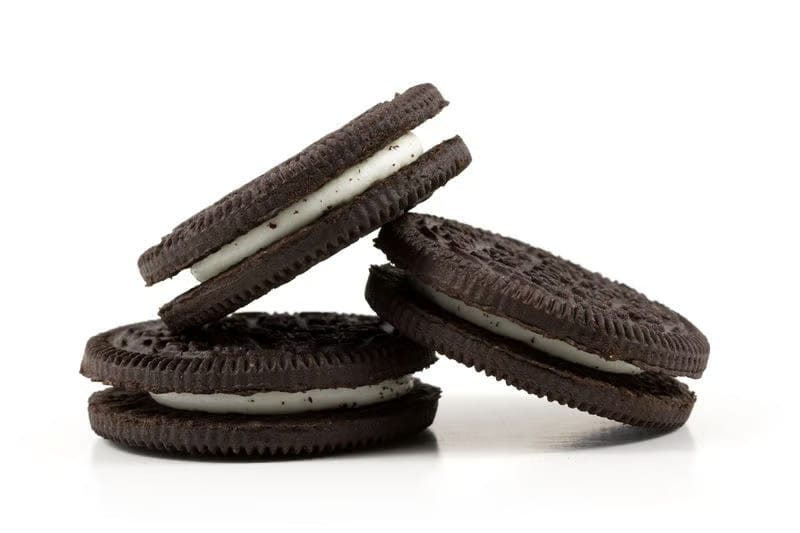
16. Sandwich Cookies
A sweet with a nostalgic appeal, sandwich cookies can be easy to overeat. A serving is typically just one cookie, so it's essential to be disciplined if you choose to indulge in these treats.
Keeping Your Snack Portion Size in Control
To maintain a healthy and balanced diet, keep these portion sizes in mind when enjoying snacks. Incorporating a variety of these items into your diet in their correct portion sizes can keep you energized, satiated, and on track with your dietary goals. Remember, the key to healthy snacking is not deprivation but awareness and moderation. Enjoy your snacks mindfully, and appreciate them in the amounts that are right for your body.

See other posts like this one:

Saturday, June 29, 2024
Can Weekend Workouts Keep You Fit? The Surprising Truth for Fitness Enthusiasts





Friday, June 28, 2024
Transform Your Workout Routine with Simple Pilates Strength Training for Beginners

Friday, June 28, 2024
Say Goodbye to Crunches Discover 8 Ab Workouts That Will Transform Your Core



Friday, June 28, 2024
How Long Should You Hold a Plank? Discover the Secrets to a Stronger Core



Thursday, June 27, 2024
Keep Your Blood Flowing 7 Exercises to Boost Circulation in Your Legs and Feet