

Monday, May 26, 2025
The Many Uses of Hydrogen Peroxide: From Teeth Whitening to First Aid and More
Discover how to safely use hydrogen peroxide for teeth whitening, hair lightening, wound care, and earwax removal. Affordable, effective, and easy to use—here’s what you need to know.
Hydrogen peroxide might not look like much sitting in that brown plastic bottle, but it’s one of the most versatile and affordable health and beauty staples around. You probably recognize it from first-aid kits or remember it bubbling on a skinned knee. But this pale liquid has far more to offer than just wound cleaning. From gently whitening teeth to lightening hair and even removing earwax, hydrogen peroxide has earned a permanent spot in many medicine cabinets—including mine.
Let’s explore exactly what hydrogen peroxide is, how it works, and how to use it safely for a range of personal care needs.
What Exactly Is Hydrogen Peroxide?
Hydrogen peroxide (chemical formula H₂O₂) is a compound made from hydrogen and oxygen. It’s similar in appearance to water, though slightly thicker and typically stored in opaque containers to prevent light from degrading it. It functions as a mild acid and a powerful oxidizer, which means it can break down substances by releasing oxygen. That bubbling you see when it touches a wound? It’s oxygen being released during a chemical reaction, often with the help of an enzyme in the body called catalase.
This reaction gives hydrogen peroxide its disinfecting, bleaching, and cleansing properties, making it useful in everything from oral care to hair lightening to household cleaning.
1. Removing Earwax Safely
Earwax is your body’s natural defense for keeping the ear canal clean. It traps dust, debris, and bacteria before they can cause harm. But too much of it can cause discomfort, muffle your hearing, or even lead to infections if it becomes impacted.
Here’s the problem: many people use cotton swabs to try to remove excess wax, but that can actually push it further in. This can create a blockage that requires professional removal.
Hydrogen peroxide offers a gentler, safer option. According to both PubChem and Healthline, it works by releasing oxygen into the ear canal, which helps soften hardened wax so it can naturally exit the ear.
How to use hydrogen peroxide to clean your ears:
- Lie on your side with one ear facing upward.
- Using a dropper, place one to two drops of 3% hydrogen peroxide into the ear.
- Let it sit and fizz for about five minutes.
- Sit up and use a tissue to catch any liquid that comes out.
- Repeat for the other ear.
Some people prefer applying peroxide with a Q-tip. If you go this route, soak the cotton tip in peroxide and rest it gently at the entrance of your ear canal—don’t push it inside. Let it drip naturally into your ear.
This method should be used occasionally and with care, especially if you have sensitive ears or a history of ear issues. Consult a healthcare provider if you suspect an ear infection or experience pain.

2. Lightening Hair Naturally
Before salon-grade bleach kits were widely available, many people used hydrogen peroxide to lighten their hair. It works by opening the hair cuticle and breaking down the pigment inside the hair shaft—essentially bleaching it from the inside out.
While it's not as intense as chemical dyes, it’s a great option for those looking for subtle highlights or a natural lightening effect.
DIY hair lightening method:
- Mix equal parts of 3% hydrogen peroxide and water in a spray bottle.
- Apply to damp hair. You can spray your whole head or just target specific sections.
- Comb through to distribute evenly.
- Blow-dry or sit in the sun to speed up the process.
- Shampoo and deep condition your hair afterward to prevent dryness.
Repeat this over time for gradual lightening. Because peroxide can dry out hair, always follow with a conditioner or hair mask, especially if you’re applying it regularly.
3. Disinfecting Cuts and Scrapes
Hydrogen peroxide has been a first-aid standby for decades. It cleans wounds by bubbling away dirt, dried blood, and dead tissue. This mechanical action makes it useful in situations where clean water isn’t available, and it’s often the first thing people reach for when treating minor cuts or abrasions.
But here’s something to keep in mind: hydrogen peroxide isn’t a cure-all for wounds. While it effectively removes contaminants, it can also damage healthy tissue if overused.
What the science says:
- Studies, including those published in PLOS ONE, show that hydrogen peroxide can slow down healing when used in high concentrations or repeatedly.
- It may kill fibroblasts—the cells that are essential for wound healing.
Best practice: Use a 3% solution (the kind sold in most drugstores) and only during the initial cleaning phase. Rinse the wound afterward with clean water and cover it with a bandage. For long-term healing, switch to gentler options like saline or antibiotic ointments.
4. Whitening Your Teeth
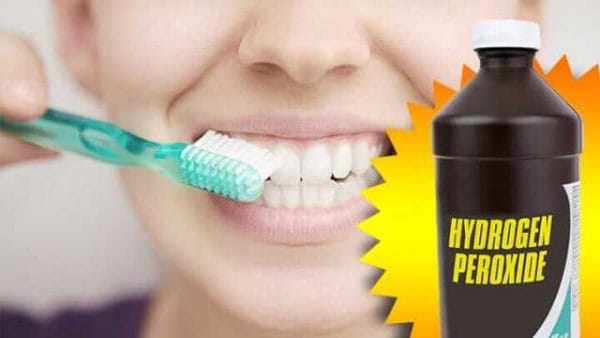
Teeth whitening is big business, but you don’t need to spend hundreds to see real results. Hydrogen peroxide is already the active ingredient in most professional whitening treatments. The difference? Dentists typically use a higher concentration—up to 40%—and may pair it with LED lights or lasers.
For a more accessible at-home option, a mix of hydrogen peroxide and baking soda can help remove surface stains and brighten your smile.
Simple DIY whitening paste:
You’ll need:
- 2 tablespoons of 3% hydrogen peroxide
- 1 tablespoon of baking soda
Instructions:
- Mix the ingredients in a small bowl until you form a paste.
- Dip your toothbrush into the mixture and brush gently.
- Let the paste sit on your teeth for about one minute.
- Rinse thoroughly with water.
This method should be used sparingly—once a week at most, and ideally just once or twice a month. Overuse can damage tooth enamel and cause sensitivity.
A Word on Baking Soda…
If you’re into natural alternatives, baking soda pairs perfectly with hydrogen peroxide in more ways than just oral care. My friend Susan Patterson wrote The Baking Soda Secret, a free book loaded with creative uses for this humble ingredient.
Some highlights:
- Natural deodorants and toothpastes
- Cleaning hacks for your home
- Skin-soothing remedies for bug bites and rashes
- Immune-boosting tonics
- Hair masks, face scrubs, and more
Susan’s book is free—you just need to claim your copy while supplies last.
Final Thoughts
Hydrogen peroxide is one of the most underrated items in your home. It’s affordable, easy to find, and remarkably effective across a range of personal care tasks. Whether you’re whitening teeth, lightening hair, or treating a minor wound, it gets the job done—just use it with care and don’t overdo it.
If you haven’t already stocked a bottle in your bathroom or first-aid kit, now might be the time.




