

Monday, June 10, 2024
The Most Common Places Germs Are Hiding in Your Home
Learn about the surprising places where germs thrive in your home and how to clean and disinfect them for a healthier living environment effectively.
Did you know that bacteria and fungi can live on dry surfaces for months? Viruses, which are some of the most common causes of infectious diseases like the common cold, tend to remain infectious on surfaces for about a day. Other viruses, including influenza and coronaviruses, have shorter lifespans on surfaces — usually just a matter of hours. The type of surface matters, as viruses tend to stay infectious longer on stainless steel, plastic, and other hard surfaces than on fabric and soft surfaces.
So, where exactly are these germs hiding in your home? Let’s dive in.
1. Doorknobs and Switch Plates
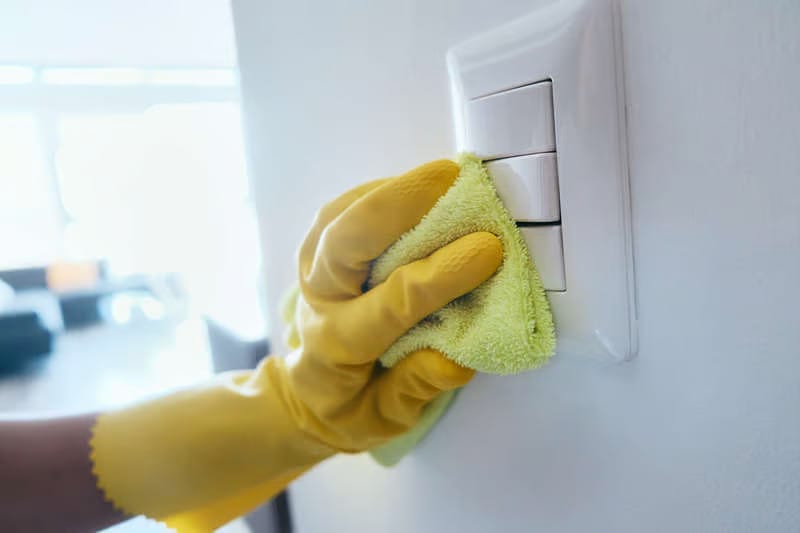
Doorknobs and switch plates are some of the most touched surfaces in any home, making them prime real estate for germs.
How to Clean Doorknobs & Switch Plates
- Method: Spray the cleaner onto the cloth and wipe down the doorknobs and switch plates. For disinfecting wipes, simply wipe the surfaces directly. Remember to clean these areas at least once a week.
- Supplies: All-purpose cleaner or disinfecting wipes, microfiber cloth.
2. Kitchen Hotspots
The kitchen is often called the heart of the home, but it can also be a hotspot for germs. Countertops, sinks, and cutting boards can all harbor bacteria from food and hands.
How to Clean Kitchen Germs
- Method: Spray countertops and other surfaces with disinfectant and let sit for a few minutes before wiping clean. Regularly wash sponges and dish towels in hot water and replace them frequently.
- Supplies: Disinfectant spray, dish soap, sponge.
3. Kitchen Sponges and Dish Towels
These everyday items are notorious for being germ magnets, often harboring bacteria like E. coli and salmonella.
Small Call How to Clean Kitchen Sponges & Dish Towelsto Action Headline
- Dish Towels: Wash in hot water with a disinfecting laundry detergent and dry thoroughly, either in a dryer or by hanging in the sun.
- Sponges: Soak in a bleach solution (1 part bleach to 9 parts water) for 5 minutes, rinse thoroughly, and air dry. Alternatively, microwave wet sponges for 1 minute to kill bacteria.

4. Bathroom Hotspots
Bathrooms are moist environments, making them perfect breeding grounds for germs. Pay special attention to faucets, showerheads, and toilet handles.
How to Clean Bathroom Hotspots
- Method: Apply disinfectant to faucets, showerheads, and toilet handles, letting it sit for a few minutes before scrubbing and rinsing. Clean these areas weekly to keep germs at bay.
- Supplies: Disinfectant cleaner, toilet brush, sponge.
5. Bedrooms
You may consider your bedroom a sanctuary, but it can also harbor germs, especially on pillows, bed linens, and remote controls.
How to Clean Bedrooms
- Method: Wash bed linens weekly in hot water. Use disinfecting wipes on remote controls and other frequently touched items. Regularly vacuum carpets and floors to remove dust and allergens.
- Supplies: Laundry detergent, vacuum cleaner, disinfecting wipes.
6. Smartphones
Your smartphone is essentially an extension of your hand, which means it can carry a lot of germs.
How to Clean Smartphones
- Method: Turn off the phone and remove the case. Gently clean the screen and case with a microfiber cloth dampened with the alcohol solution or wipe. Allow to air dry completely before reassembling.
- Supplies: Microfiber cloth, 70% isopropyl alcohol or disinfecting wipes.
Best Products for Hiding Germs
- Microfiber Cloths: Great for trapping dirt and germs without spreading them around.
- All-purpose Cleaners: Make sure they are labeled as disinfectants to ensure they kill germs.
- Disinfecting Wipes: These are convenient and effective for quick clean-ups on various surfaces.
How to Make Your Own Germ-Fighting Cleaners
For those looking to go the DIY route, here are a couple of eco-friendly, germ-fighting cleaner recipes:
All-Purpose Cleaner
- Instructions: Mix ingredients in a spray bottle and shake well. Use on countertops, doorknobs, and other surfaces.
- Ingredients: 1 cup water, 1 cup vinegar, 1 tablespoon baking soda, 10 drops of essential oil (optional).

See other posts like this one:



Monday, July 08, 2024
Savor the Season with a Winter Crunch Salad and DIY Honey Lime Vinaigrette

Monday, July 08, 2024
Savory Secrets Revealed The Ultimate Healthy Tonteki Recipe for Foodies and Game Day Hosts


Monday, July 08, 2024
Game-Changer Delights 12 Cauliflower Steaks Pizza Recipes for Healthy Game Day Feasts


Monday, July 08, 2024
Warm Up Your Heart and Home With This Mediterranean Lentil Soup Recipe

Monday, July 08, 2024
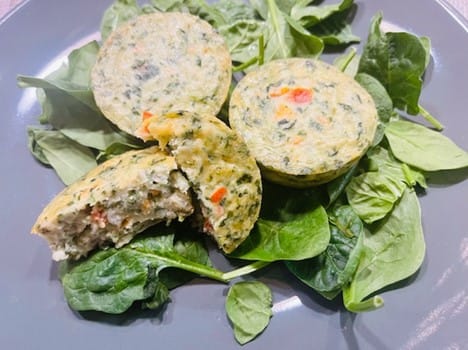
Homemade Starbucks Egg Bites Recipe for Healthy, Affordable Breakfasts

Sunday, July 07, 2024
Delight Your Taste Buds with Insalata Caprese Stuffed Portabella Mushrooms



