Saturday, May 31, 2025
The Real Deal on Watermelon: More Than Just a Summer Snack
Discover the surprising health benefits of watermelon—from heart health and cancer prevention to hydration and muscle recovery. Learn why this summer fruit is a nutritional powerhouse.
Watermelon isn’t just the symbol of summer—it's one of the most underrated health foods out there. Sure, people like to point fingers: “It’s mostly water,” “It’s high in sugar,” “It’s got a high glycemic index.” But here’s the truth—watermelon is packed with powerful nutrients that do your body a lot of good.
What’s Inside Counts
Yes, watermelon is about 90% water. But along with hydration, it delivers a serious hit of:
- Vitamins A, B6, and C
- Potassium and magnesium
- Antioxidants—especially lycopene, the real star here
Remember how tomatoes are praised for their lycopene content? Watermelon beats them. One cup of watermelon has 1.5 times more lycopene than a large tomato—and let’s be honest, who stops at one cup?
Lycopene is a potent antioxidant with anti-inflammatory powers. It stays stable even after being sliced and stored in the fridge, and it’s stronger than its cousin, beta-carotene.
Heart Health and Beyond
Lycopene doesn’t just fight inflammation—it supports your heart, bones, and may reduce cancer risk. But watermelon doesn’t stop there. It also contains citrulline, an amino acid that turns into arginine, which helps produce nitric oxide. That’s key for:
- Lowering blood pressure
- Relaxing blood vessels
- Boosting circulation to muscles, heart, and brain
A Florida State University study even found watermelon can significantly reduce blood pressure in overweight individuals.
Citrulline also helps block fat accumulation and may improve erectile function by boosting blood flow—similar to Viagra, though you’d need to eat a lot more watermelon for the same effect.

The Lycopene Advantage
Lycopene levels in your blood are linked to longer life and better health. One large study found that low lycopene levels predicted early death. Other research shows:
- Up to 39% lower stroke risk for men with high lycopene levels
- Lower LDL cholesterol levels
- Reduced risk of prostate, ovarian, brain, and breast cancers
Lycopene blocks the enzyme that makes cholesterol, offering another heart-protective benefit.
Recovery and Hydration
Watermelon is nature’s sports drink—loaded with water, potassium, and electrolytes. It’s perfect for hot days or post-workout recovery. Drinking watermelon juice before a workout may even reduce muscle soreness.
Don’t Toss the Rind or Seeds
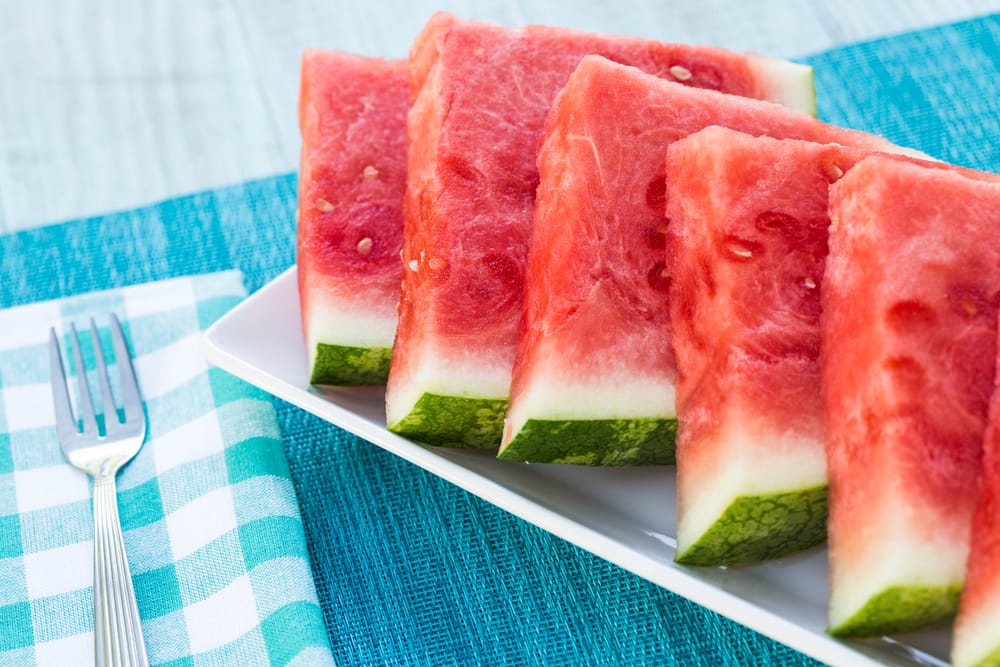
Most people stick to the red flesh, but the entire watermelon is edible:
- The white rind has even more citrulline than the red part.
- The green skin is rich in chlorophyll and nutrients.
- Even the black seeds are full of iron, zinc, fiber, and protein.
Try blending the rind with lime juice for a refreshing slushy. And don’t worry about seedless varieties—they’re just hybrids, not GMOs.
Anti-Inflammatory Bonus
Watermelon also contains cucurbitacin E, a compound with pain- and inflammation-fighting powers, working similarly to NSAIDs like ibuprofen.
Nutrient Snapshot (per 1 cup):
- Only 46 calories
- Rich in Vitamin A, C, B6
- Full of potassium and magnesium
How to Pick a Good One
Choosing the right watermelon doesn’t have to be a gamble. Look for:
- A creamy yellow spot on the bottom (not white or green)—this shows ripeness.
- A heavy feel for its size
- A deep hollow “thump” when tapped
One Note on Sugar
Yes, watermelon has natural sugar (fructose), but because it’s high in water and fiber, it’s filling. The glycemic load (which measures blood sugar impact) is actually low—so it won’t spike your sugar levels unless you overdo it.
Bottom Line
Watermelon isn’t just sweet and refreshing—it’s loaded with nutrients that fight disease, hydrate your body, support your heart, and even improve performance. Eat it, juice it, toss the rind in your blender, roast the seeds—just don’t overlook it.

See other posts like this one: