Wednesday, June 05, 2024
The Role of Digestive Enzymes in Aging Adults
Learn how digestive enzymes play a crucial role in maintaining optimal health as we age, and discover the best ways to support your body's natural enzyme production.
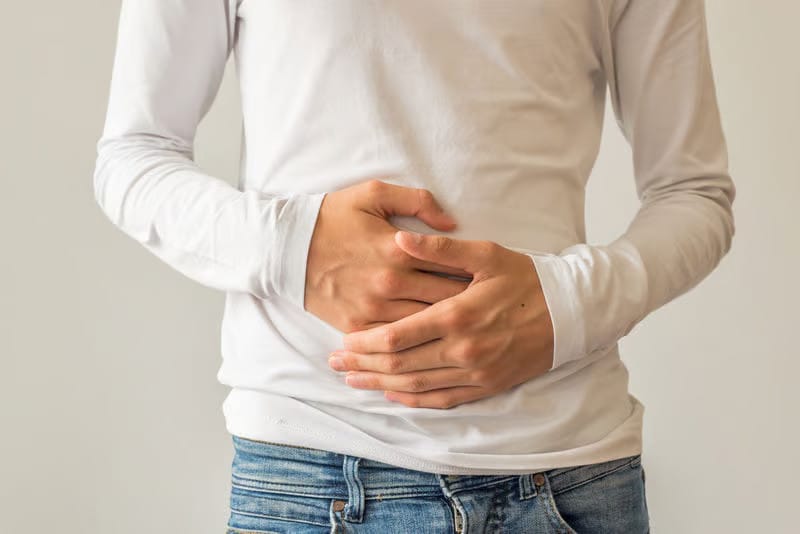
Our bodies rely on digestive enzymes to break down food for essential nutrients and energy. With age, enzyme production decreases, making it harder to extract and absorb nutrients. This can lead to digestion issues like bloating, gas, cramping, and malnutrition.
To support healthy digestion, focus on a nutrient-rich diet like the Mediterranean Diet. However, lacking enzymes may hinder nutrient absorption from these foods. Luckily, certain foods, supplements, and probiotics can help replace missing enzymes and improve gut health.
Types of Digestive Enzymes:
1. Proteases: Break down proteins into amino acids.
Key types include Protease SP, Protease S, Aspergillopepsin, Peptidase, Bromelain.
2. Carbohydrases: Break down carbohydrates.
Includes Amylase (from pancreas and salivary glands), Glucoamylase, Lactase (for dairy), Alpha-Galactosidase (for beans), Cellulase (fruits/vegetables), Beta-Glucanase/Xylanase (grains), Pectinase (fruits/vegetables).
3. Lipase: Breaks down dietary fats for improved digestion.
Supplementing with these enzymes before meals can aid in proper nutrient breakdown and absorption for overall health benefits.

Enhance Digestion with Enzyme-Rich Foods
Boost your digestion effortlessly by incorporating foods rich in digestive enzymes into your diet. These enzyme powerhouses facilitate smoother digestion and nutrient absorption. Here are some top picks:
- Raw honey: Packed with diastasis, amylases, invertases, and proteases.
- Pineapple: Bromelain breaks down proteins effectively.
- Papaya: Rich in papain for protein digestion.
- Miso: Contains lactases, lipases, proteases, and amylases for digestive ease.
- Mangos: Provide amylase for carb breakdown.
- Kiwi: Known for its actinidin to aid protein digestion.
- Kefir: A probiotic delight with various enzymes.
- Ginger: Offers zingibain to aid protein breakdown.
- Bananas: Containing amylases to break down carbs.Avocados: Packed with lipase for fat absorption.

See other posts like this one:



Friday, November 15, 2024
Understanding the Difference Between Tight and Stiff Muscles (and How to Loosen Them)



Friday, November 15, 2024
Too Busy to Exercise? Here’s a 15-Minute Full-Body Workout You Can Do Anywhere
Friday, November 15, 2024
Slugging, Slicking, or Slathering: What’s the Best Way to Hydrate Your Skin?