

Saturday, June 15, 2024
The Shocking Truth About Germs at Home: 10+ Spots You're Neglecting
Discover the hidden dangers lurking in your home and the often neglected areas that harbor germs. Keep yourself and your family safe with these essential tips for a clean and healthy home.
If you thought the outside world was the only place teeming with germs, think again. The average home can be a sanctuary for bacteria, viruses, and other microorganisms that can lead to illnesses ranging from common colds to food poisoning. But where do these germs hide? And how do they stack up against each other in terms of abundance and danger?
In this comprehensive guide, we'll uncover the dirtiest secrets of domestic life, arm you with the knowledge to tackle home hygiene effectively and discuss why certain spots in your home are surprisingly germy.
Germs: They’re Everywhere!
Before we start pointing fingers at specific areas in your abode, it's important to understand the ubiquity of germs. They're not just in your toilet or on your kitchen counter; they cover every surface you can think of and some you'd rather not.
The human body harbors approximately 100 trillion microbes, and the average square inch of human skin contains about 50 million bacteria. However, it's not necessarily the presence of microbes that's harmful—after all, many bacteria co-exist with us in mutualistic relationships—but the types of germs and how they spread that can pose a risk.
The 10 Germiest Places in Your Home
Here we go—brace yourself for a tour of the ten germiest corridors in your home. From the number ten spot to the shocker at number one, these are the areas you need to clean religiously to stave off the unseen threats lurking in your own space.
#1: Cutting Boards
Cutting boards, especially wood ones, offer a cozy home for microscopic baddies. The frequent use and grooves from knife strokes provide ample hiding spots for germs. This is why it's vital to use separate cutting boards for raw meats, vegetables, and other foods to avoid cross-contamination.
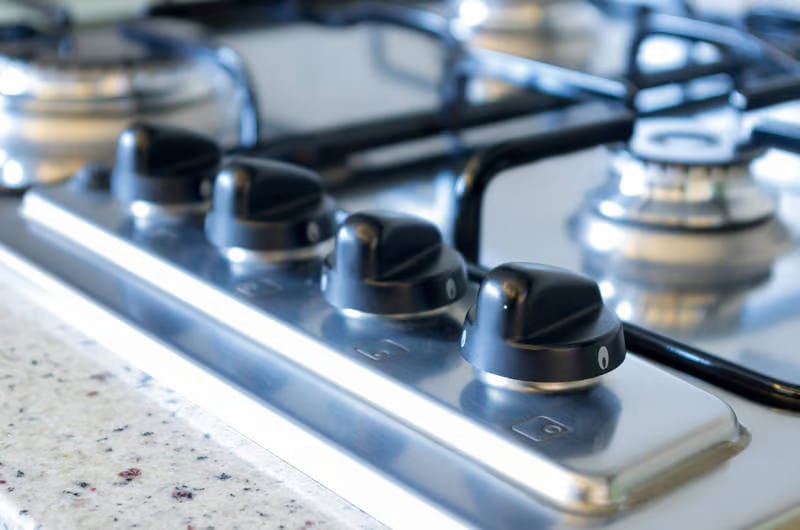
#2: Stove Knobs
Stove knobs often go unnoticed when it comes to cleaning, but they can harbor bacteria just like any other frequently touched surface. Regularly wipe them down with a disinfectant to keep them germ-free.
#3: Kitchen Counter
Your kitchen counter sees a lot of action, from food prep to unloading groceries. It's a germ hotspot, particularly when it comes to foodborne illness. Make sure to sanitize it after each use, especially where raw meat has been. A mix of water and vinegar kills most bacteria effectively.
#4: Pet Toys
Don't forget about your furry friends' playthings! Toys that get dragged outside and back in, or those that are shared among multiple pets, can carry countless germs. Wash them regularly with hot water and a pet-friendly detergent.
#5: Faucets
Like any surface that's frequently touched, faucets can accumulate an impressive cocktail of pathogens. Use a disinfectant specifically made for kitchens or bathrooms and pay special attention to the handles and spouts.
#6: Coffee Makers
The warm, moist environment inside coffee makers is perfect for germs to thrive. Fortunately, many components are easily washable, and running a vinegar cleaning cycle can help eliminate most bacteria.
#7: Pet Bowls
Just like their toys, pet bowls need regular cleaning. They're a breeding ground for germs if left unwashed. Stainless steel or ceramic bowls are easier to clean than porous materials like plastics.
#8: Toothbrush Holders
Often damp and located near the toilet, toothbrush holders can harbor fecal bacteria that spray into the air when you flush. Clean them often or, better yet, keep your toothbrush in a closed cabinet.
#9: Sinks
Sinks, with their high moisture and nutrient content, are a favorite for bacteria. It's not just the basin; the drain and faucet area need attention too. Use bleach or a bacteria-killing product regularly.
#10: Dish Rags or Sponges
Your dish rags and sponges are, hands down, the biggest sources of germs in your home. They pick up bacteria from dirty dishes and then provide an ideal environment for them to multiply. Sanitize sponges in the microwave or dishwasher and change dish rags often.
For all their germy glory, these spots barely scratch the surface of home hygiene. But they provide a good starting point for creating a cleaner, safer living environment.

See other posts like this one:

Wednesday, June 26, 2024
Transform Your Body with the Ultimate Core and Cardio Toning Workout Routine for Women



Wednesday, June 26, 2024
Dance Your Way to Better Health The 8 Transformative Benefits of Zumba for Seniors

Tuesday, June 25, 2024
How Many Calories Do I Burn a Day? Discover the Secrets to Understanding Your Daily Energy Expenditure





Tuesday, June 25, 2024
Morning or Afternoon Workouts? Explore the Benefits and Downsides of Fasted vs. Fed




Tuesday, June 25, 2024
Unleash Your Inner Beast Sculpting Your Lower Body with Monster Walks

Monday, June 24, 2024
Rise and Shine Stretch Time How to Start Your Perfect Morning Stretch Routine



