Wednesday, October 09, 2024
The Shocking Truth About US Suicides in 2023
Despite ongoing efforts to combat the issue, US suicides have continued to reach alarmingly high levels. Learn why this problem persists and what we can do about it.
The sobering reality of suicide in the United States remains a pressing concern. While society continues to make strides in understanding mental health, the numbers indicate a persistent challenge. The year 2023 was no exception, with U.S. suicides hovering at historically high levels. In this blog post, we'll explore the contributing factors to this ongoing crisis, the implications for public health, and potential steps toward improvement.
Understanding the Data
Preliminary data from the Centers for Disease Control and Prevention (CDC) reveals that more than 49,300 suicide deaths were reported in 2023. Though these figures are yet to be finalized, they mirror 2022's statistics with a slight decrease. It's crucial to recognize that these numbers represent not just statistics but lives cut short, each leaving behind a ripple effect on families and communities.
Suicide rates in the U.S. have been steadily rising over the last two decades, with a brief dip during the early COVID-19 pandemic. This leveling trend may offer a glimmer of hope. According to Katherine Keyes, a public health professor at Columbia University, this stabilization could suggest that recent efforts, such as the national crisis line, are starting to leave a positive impact.
The Multifaceted Causes
The complexities of suicide cannot be attributed to a single cause; it is a multifaceted issue influenced by numerous factors. Mental health conditions, particularly depression, play a significant role. However, limited access to mental health services often exacerbates these issues, leaving many without the support they need.
Another critical factor is the accessibility of firearms. The CDC's data highlights that around 55% of all suicide deaths in 2022 involved guns, underscoring the need for comprehensive discussions around gun safety and mental health.
The Impact on Different Age Groups
Suicide affects individuals across all age groups, but certain demographics are more vulnerable. Alarmingly, it was the second leading cause of death for individuals aged 10–14 and 20–34 in 2022. For teens and young adults, the rate of suicide has been escalating, notably among teenage girls and young women, where the rate has doubled over the past two decades.
Men are considerably more at risk than women, with the highest suicide rate observed in men aged 75 and older—about 44 suicides per 100,000 men in this age bracket. For middle-aged women, the rate stands at about 9 per 100,000, highlighting the different challenges and pressures faced by these groups.
The Role of the National Crisis Line
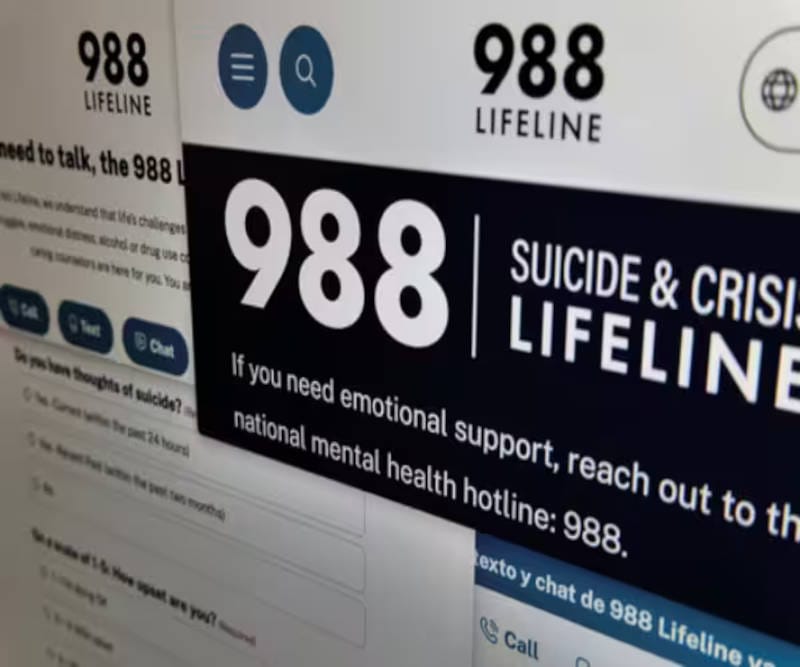
In response to rising suicide rates, the U.S. launched a national crisis line, allowing anyone to dial 988 for immediate support from mental health specialists. This initiative has been instrumental in providing timely help and intervention, potentially saving countless lives. While it's too early to definitively measure its impact, experts like Keyes remain cautiously optimistic.

The Broader Context
To fully comprehend the high suicide rates, we must consider the broader societal context. Economic instability, social isolation, and the lingering effects of the pandemic contribute to the nation's mental health burden. Each of these elements adds layers of complexity to the suicide crisis, demanding a holistic approach to prevention.
Community and Support
Community plays a vital role in suicide prevention. Building supportive environments where individuals feel connected and valued can alleviate feelings of despair. Encouraging open conversations about mental health and breaking the stigma surrounding it can empower individuals to seek help when needed.
Breaking the Stigma
Stigmatization of mental illness remains a significant barrier to seeking help. Changing public perception about mental health and treating it with the same compassion as physical health conditions can foster an environment where individuals feel safe reaching out for assistance.
The Importance of Mental Health Education
Educating individuals, particularly young people, about mental health can lead to early intervention and prevention. Schools and workplaces can incorporate mental health literacy programs, equipping people with the skills to recognize signs of distress in themselves and others.
Government and Policy Initiatives
Government policies and legislation play a crucial role in addressing the suicide epidemic. Increased funding for mental health services, stricter gun control measures, and comprehensive suicide prevention strategies can significantly reduce suicide rates.
Technology's Role in Prevention
Technology has the potential to revolutionize mental health support. Telehealth services, mental health apps, and online support groups can provide accessible resources to those in need, particularly in underserved areas.
The Road Ahead
While the data from 2023 highlights the continuing challenges around suicide, it also emphasizes the importance of ongoing efforts in suicide prevention. The path to reducing these numbers involves a collective commitment from individuals, communities, and policymakers.
Taking Action and Seeking Help
For those experiencing suicidal thoughts or concerned about someone else, it's crucial to seek help immediately. The national suicide and crisis lifeline is available by calling or texting 988.
Conclusion
The persistence of high suicide rates in 2023 underscores the critical need for continued awareness, education, and intervention. By understanding the multifaceted causes and working together to address them, we can pave the way for a future where mental health is prioritized, support is readily available, and suicide rates decline. If you or someone you know is struggling, reach out to a mental health professional, call the national crisis line, or engage in community programs. Together, we can make a difference in saving lives and building a healthier society.

See other posts like this one:








Wednesday, July 10, 2024
Say Goodbye to Boring Sides Grilled Corn Avocado Summer Salad Recipe for Your Next BBQ


Tuesday, July 09, 2024
Sizzle and Flavor Summer Grilling with This Simple Skewer Marinade Recipe


Tuesday, July 09, 2024
Indulge Guilt-Free this Summer with Our Orange Creamsicle Protein Smoothie


Tuesday, July 09, 2024
Wake Up to a Delicious and Nutritious Blueberry and Banana Breakfast Bake