Saturday, June 15, 2024
The Truth About Meat Sweats—According to Science
Are you curious about the phenomenon of "meat sweats"? In this informative blog post, find out what science has to say and how you can prevent or manage them.
The term "meat sweats" has become a running joke among BBQ enthusiasts but is there any truth to it? We’re going to tackle the phenomenon of excessive post-meal perspiration and sift through the truth, the myths, and what science has to say about meat sweats.
What Are Meat Sweats?
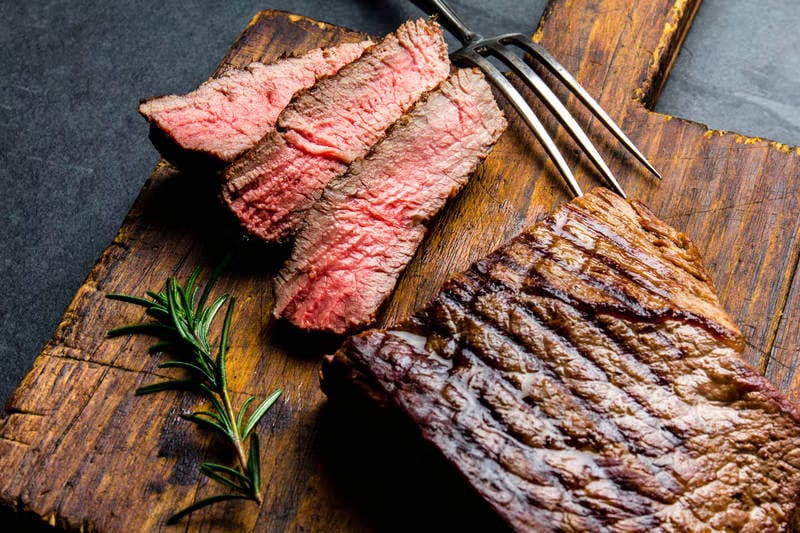
Have you ever indulged in a feast laden with meat and found yourself breaking out into a sweat? You’re not alone—many people who consume a large amount of meat have experienced this phenomenon, commonly known as "meat sweats." The meat sweats describe the increased perspiration some individuals feel after eating large quantities of protein, especially during a meal heavy in red meats like steak. These sweats are typically confined to the upper body, particularly the neck, chest, and face, and are believed to be a result of the body's efforts to digest the excess protein.
The phenomenon wasn’t recognized in medical literature until recently, but it has been a staple of pop culture and reviews at steak houses for years. Despite its prevalence, meat sweats remain largely misunderstood.
Dissecting the Myth
The popular belief behind meat sweats is that the high protein content in meat requires the body to generate more heat during digestion, leading to an increase in body temperature and subsequent sweating. In contrast, the thermic effect of food (TEF) accounts for the energy expenditure associated with digesting, absorbing, and assimilating nutrients, but its role in meat sweats remains largely unproven.
The timing of meat sweats, often starting during the meal instead of hours after, raises questions about the TEF's involvement. If body heat of that scale was indeed generated, you'd think you would sweat as your body gradually burns the food. Nevertheless, anecdotal evidence from diners and a dearth of formal scientific studies leave much room for interpretation.
What Causes Them?
The current scientific consensus attributes meat sweats to a couple of factors, none of which are conclusively proven.
Potential Causes
- Overeating: An obvious explanation would be that overeating in general, no matter the food group, increases perspiration as the body ramps up metabolism to digest the meal.
- Insulin Response: A large, high-protein meal can spike insulin levels, a hormone that, in high amounts, can cause the body to sweat as it helps to process the meal's nutrients.
- High-Protein Content: The body may respond to high-protein meals with an increase in body temperature, but this has not been definitively linked to sweating in healthy individuals.
- Although these are viable explanations, there is currently no solid evidence linking any of them directly to meat sweats.
Dispelling the Myths
Not Medical Conditions, Allergies, or Intolerances
One thing meat sweats aren't is a sign of a medical condition. They also aren’t an allergic reaction or a food intolerance. They're simply a bodily response to an excess of protein, similar to how sweating can result from other overindulgences like spicy food or even large meals in general.
Preventative Measures
You can prevent meat sweats by moderating your portion sizes and being mindful of your protein intake. Balancing your meal with fiber-rich vegetables, whole grains, and healthy fats can support digestion and prevent overloading the body with protein. Regular exercise and maintaining a healthy weight can also help regulate your body's response to meals.
Coping Strategies
The best way to cope with meat sweats is to allow your body time to digest the food, stay hydrated, and keep cool. In severe cases, where sweating is chronic or debilitating, it’s important to speak with a medical professional.
Takeaways
Meat sweats are a real—and uncomfortable—experience for many. Although the exact scientific explanation remains elusive, it’s clear that moderation and a holistic approach to nutrition and health are key. Whether you’re a meat lover or not, understanding your body’s response to different foods is an important part of maintaining a balanced diet and lifestyle.
The next time you're at a BBQ, you can take comfort in the fact that the meat sweats are not an apparition; there's some scientific grounding to this part of the meat-eating experience. However, they’re nothing to be overly concerned about, just another quirk of the human body. But if you find yourself sweating buckets after every burger or brisket, it might be time to reconsider your portion sizes. Your body will thank you.

See other posts like this one:

Saturday, June 29, 2024
Can Weekend Workouts Keep You Fit? The Surprising Truth for Fitness Enthusiasts





Friday, June 28, 2024
Transform Your Workout Routine with Simple Pilates Strength Training for Beginners

Friday, June 28, 2024
Say Goodbye to Crunches Discover 8 Ab Workouts That Will Transform Your Core



Friday, June 28, 2024
How Long Should You Hold a Plank? Discover the Secrets to a Stronger Core



Thursday, June 27, 2024
Keep Your Blood Flowing 7 Exercises to Boost Circulation in Your Legs and Feet