

Wednesday, June 04, 2025
The Ultimate Guide to a Menopause Diet: What to Eat (and Avoid) to Ease Your Symptoms
Discover the best and worst foods for menopause. Learn how a hormone-supportive diet can ease symptoms like hot flashes, weight gain, and sleep issues.
Menopause is a natural stage of life—but that doesn’t mean it’s easy. From hot flashes and night sweats to weight gain and mood swings, the symptoms can disrupt your life for years. But there's one powerful tool that often gets overlooked: your diet.
The right foods can help you manage symptoms, protect your bones, balance your hormones, and boost your energy. This in-depth guide will walk you through the best foods to eat, what to avoid, and how to build a sustainable menopause diet that supports your body through this transition.
What Is Menopause—and Why Does Diet Matter?
Menopause is officially diagnosed when you’ve gone 12 consecutive months without a menstrual period. But symptoms can start years earlier, during the perimenopausal phase. During this time, estrogen and progesterone levels decline, which affects everything from your metabolism to your mood.
These hormonal shifts are linked to a range of symptoms and health risks:
- Increased risk of heart disease
- Bone loss (osteoporosis)
- Slower metabolism
- Weight gain, especially around the abdomen
- Insomnia and poor sleep
- Hot flashes and night sweats
What you eat can either help regulate these changes—or make them worse. That’s why focusing on a balanced, nutrient-dense menopause diet is one of the smartest things you can do for your body during this phase.
Best Foods to Eat During Menopause
Let’s break down the top food categories that can support your health and reduce symptoms during and after menopause.
1. Dairy Products for Bone Strength and Better Sleep
Estrogen helps preserve bone density, so when levels drop, your risk of fractures and osteoporosis increases. Dairy products are rich in calcium, vitamin D, phosphorus, and protein—all essential for bone health.
Plus, dairy contains tryptophan, an amino acid that promotes better sleep by supporting serotonin and melatonin production.
Top picks:
- Fortified plant-based milks (look for added calcium and vitamin D)
- Cheese
- Greek yogurt
- Low-fat milk
2. Healthy Fats for Hormonal Support and Heart Health
Omega-3 fatty acids, in particular, play a critical role during menopause. They help reduce inflammation, improve mood, and support brain and heart function. Studies show that postmenopausal women with higher omega-3 levels tend to have better overall health.
Top picks:
- Hemp seeds
- Walnuts
- Chia seeds
- Flaxseeds and flax oil
- Fatty fish (salmon, sardines, mackerel)
Aim for at least two servings of fatty fish per week or consider a high-quality omega-3 supplement after consulting your doctor.
3. Whole Grains for Digestion, Energy, and Hormonal Balance
Whole grains are high in fiber and B vitamins, which support healthy digestion and hormone metabolism. They can also help manage blood sugar and reduce cravings, both of which tend to become more challenging during menopause.
A high-fiber diet is also linked to a lower risk of heart disease, which becomes more prevalent after menopause.
Top picks:
- Buckwheat
- Barley
- Whole wheat bread
- Brown rice
- Quinoa
- Oats
Pro tip: Look for “100% whole grain” on labels to avoid refined versions disguised as healthy.
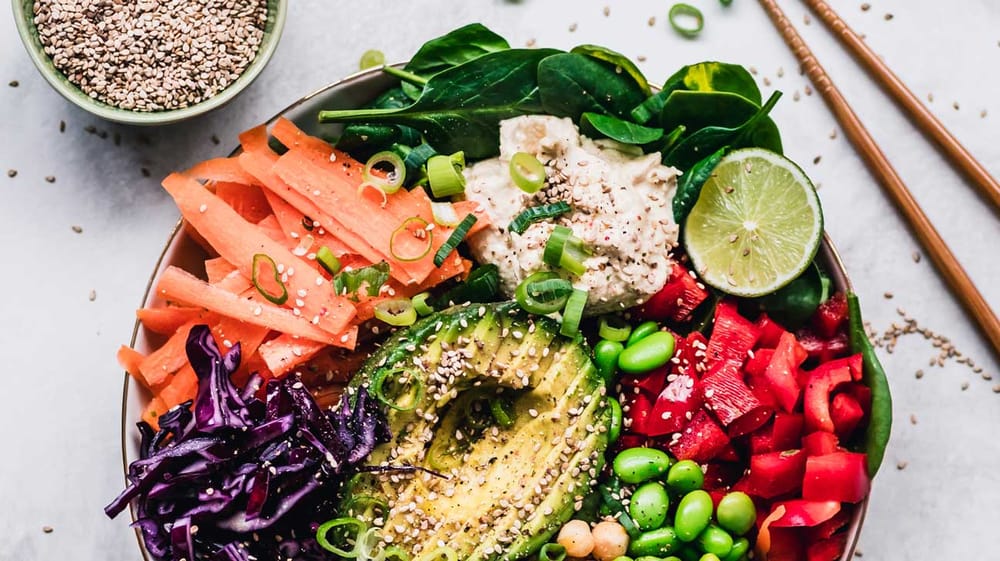
4. Fruits and Vegetables for Antioxidants and Symptom Relief
Fruits and vegetables are packed with antioxidants, fiber, vitamins, and minerals. A diverse, colorful produce intake helps reduce oxidative stress, supports detoxification, and provides phytonutrients that may ease menopause symptoms like hot flashes and fatigue.
Especially beneficial:
- Sweet potatoes
- Citrus fruits
- Berries (blueberries, raspberries, strawberries)
- Cruciferous veggies (broccoli, cauliflower)
- Leafy greens (spinach, kale)
Eating a wide variety ensures you’re getting a spectrum of nutrients.

5. Phytoestrogens: Natural Plant-Based Hormone Support
Phytoestrogens are compounds in certain plant foods that mimic estrogen in the body. Though not as potent as natural estrogen, they may help reduce hot flashes, support bone health, and protect against heart disease.
While research is still evolving, many experts recommend including these in a menopause-friendly diet.
Top sources:
- Green and black tea
- Grapes
- Berries
- Lentils
- Chickpeas
- Flaxseeds
- Soybeans and soy products (tofu, tempeh, edamame)
6. High-Quality Protein to Preserve Muscle and Bone Mass
Loss of estrogen also leads to muscle loss and reduced bone density, making protein more important than ever. Eating enough protein helps maintain muscle mass, supports bone strength, and keeps your metabolism humming.
Aim for 1–2 grams of protein per kilogram of body weight daily, spread throughout the day.
Top sources:
- Protein powders (whey, collagen, pea, etc.)
- Beans and legumes
- Dairy products
- Fish
- Lean meats
- Eggs
Studies show that even 5 grams of collagen peptides per day can improve bone mineral density in postmenopausal women.
What to Avoid or Limit on a Menopause Diet
Certain foods can make menopause symptoms worse by increasing inflammation, affecting hormones, or disturbing sleep.
Here are the biggest culprits to watch out for:
1. Processed and Sugary Foods
Chips, cookies, fast food, and packaged snacks often spike blood sugar and worsen hot flashes.
High sugar intake is also linked to mood swings and weight gain.
2. Caffeine
Can disrupt sleep and trigger anxiety or hot flashes for some women.
Consider switching to green tea or herbal infusions.
3. Alcohol
May intensify hot flashes and disrupt sleep.
It also affects liver function, which plays a role in hormone metabolism.
4. Salty Foods
High sodium intake can raise blood pressure and contribute to water retention and bloating.
Watch out for canned soups, deli meats, and salty snacks.
Sample One-Day Menopause-Friendly Meal Plan
Breakfast:
Greek yogurt with chia seeds, berries, and a sprinkle of flaxseed
Lunch:
Grilled salmon over quinoa and leafy greens with olive oil vinaigrette
Snack:
Hummus with sliced carrots and whole-grain crackers
Dinner:
Stir-fried tofu with broccoli, bell peppers, and brown rice
Evening:
Chamomile tea and a handful of walnuts
Final Takeaway: Build a Menopause Diet That Works for You
Menopause is a significant shift—but it doesn’t have to feel like a loss of control. With the right foods, you can manage symptoms, protect your long-term health, and even feel better than ever.
Stick to whole, nutrient-rich foods, prioritize protein and healthy fats, and include plenty of plant-based ingredients that support hormonal balance. Just as importantly, listen to your body and adjust as needed.
Small changes in your diet can lead to big improvements in your energy, mood, sleep, and well-being during menopause.

See other posts like this one:





Tuesday, July 02, 2024
Bounce Your Way to Fitness with These 7 Calorie-Torching Trampoline Exercises





Tuesday, July 02, 2024
Discover the True Fountain of Youth with This 3-Step Anti-Aging Exercise Regimen




Tuesday, July 02, 2024
Sculpt Your Legs Anywhere with This 7-Step Lower-Body Resistance Band Workout



