
Sunday, June 16, 2024
The Ultimate Guide to Creatine Supplementation: Enhancing Your Fitness Journey💪🍏
Ready to take your fitness journey to the next level? Learn all about the benefits of creatine supplementation and how it can enhance your workouts and results.
In the realm of fitness and nutrition, creatine is a well-known supplement that has polarized opinions among athletes and researchers alike. Is it a miracle compound for bulking up and boosting workout performance, or an overhyped supplement we should proceed with caution? This comprehensive guide aims to cut through the noise and provide you with a clear understanding of what creatine is, how it works in the body, potential benefits, side effects, and the best practices for supplementing. For both fitness fanatics and the merely health-curious, buckle up for a deep-dive into the world of creatine.
What Is Creatine?🧠💪
Creatine is a nitrogenous organic acid that occurs naturally in vertebrates and helps to supply energy to all cells in the body, primarily muscle. It is formed of the amino acids arginine, glycine, and methionine, and the body typically produces half of what is needed, while the other half must be obtained from the diet. High concentrations of creatine are found in red meat and fish, which are prime dietary sources for regular intake.
How Is Creatine Stored in the Body?
The human body can store a limited amount of creatine, mostly in the muscles. This stored form is called phosphocreatine or creatine phosphate, and it serves as a quick source of ATP, the primary currency of cellular energy. During intense and short bursts of physical activity, like weightlifting or sprinting, the body breaks down ATP quickly. Phosphocreatine steps in to rapidly synthesize ATP, replenishing the energy stores and allowing the muscle to continue the activity.
Research on Creatine🌟
The pool of evidence on creatine spans decades and has grown considerably, with over 1000 studies published on its use. Below, we'll explore some key areas where creatine supplementation may be advantageous.
Muscle Strength and Size
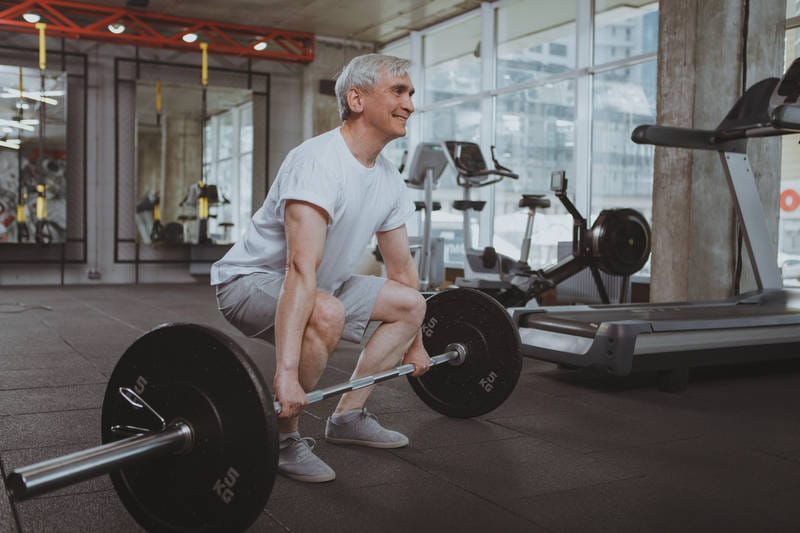
Creatine has been extensively studied for its effects on muscle mass and strength. Many high-quality studies have shown that creatine supplementation, along with resistance training, can lead to significant increases in both muscle size and overall strength.
Sports Performance
The improvements in muscle strength and power directly translate to enhanced sports performance. Athletes who need to produce quick, explosive movements, such as sprinters, football players, and wrestlers, have reported better performance when supplementing with creatine.
Injury Prevention
Emerging research suggests that creatine might play a role in injury prevention and recovery. It seems to help increase the synthesis of collagen, which is crucial for the strength and elasticity of tendons and ligaments.
Blood Sugar Management
Some studies indicate that creatine can influence blood sugar levels and insulin sensitivity, potentially making it beneficial for individuals with diabetes or those at risk of developing the condition. More research is needed in this area.
Brain Functioning
Creatine is not confined to the muscular system; it also plays a role in brain health. It is thought to help with various brain functions by increasing the energy supply to the brain cells. There is also ongoing research on creatine's potential in treating neurodegenerative diseases.
Vegetarians
Studies have shown that vegetarians who supplement with creatine can experience significant improvements in several aspects of fitness, such as strength and high-intensity exercise performance, which are typically lower in those with a plant-based diet.
Mood
In addition to physical performance, creatine may have a beneficial impact on mental health. Research has suggested that creatine supplementation can reduce symptoms of depression and fatigue, but more comprehensive studies are necessary to confirm these effects.
Aging Skin
There are indications from small studies that creatine might have anti-aging benefits for the skin, by promoting the synthesis of collagen, the protein essential for maintaining the skin's elasticity and youthful appearance. However, larger, high-quality studies are needed to back this claim.

What About Creatine Side Effects?💬💡
When it comes to side effects, creatine has a remarkably clean slate. When used as directed, creatine monohydrate is one of the most well-tolerated supplements available. The scientific consensus is that for the majority of users, it is safe, non-toxic, and not a cause for concern. However, as with any supplement, individual responses could vary.
The most commonly reported side effects include:
- Weight gain. The increase in water content and the 'pump' effect of creatine on muscles can lead to a small uptick in overall body weight.
- Water retention is temporary and often part of the muscle-building process. This is not only harmless but also can contribute to the muscle's volumizing effect, enhancing the size-gain aesthetic.
- Digestive issues such as nausea, vomiting, and diarrhea. These are usually seen in doses exceeding recommended amounts.
It's important to note that the vast majority of side effects occur due to misuse or overuse of creatine. Therefore, it's crucial to follow recommended dosages and protocols provided by health professionals or cited on product labels.
How to Take Creatine
To capitalize fully on the benefits of creatine, understanding how to take it is paramount.
Loading Phase and Maintenance Phase
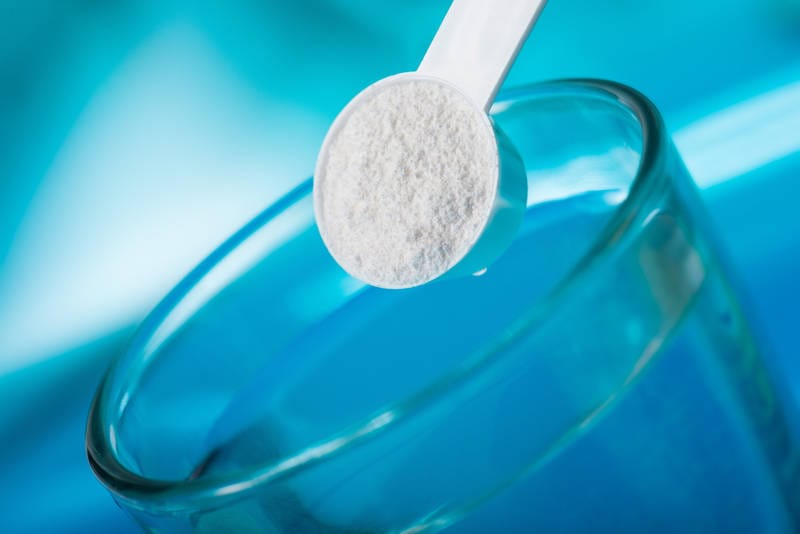
The most common approach is to begin with a "loading phase" of 20 grams per day (split into 4 doses) for 5-7 days, followed by a "maintenance phase" of 3-5 grams per day, taken indefinitely. The loading phase quickly saturates the muscles with creatine, and the maintenance phase keeps them topped off.
Timing Is Key
While there is no concrete evidence to support an "ideal" time to take creatine, some athletes and bodybuilders prefer taking it before or after a workout to optimize the delivery of nutrients to muscle cells.
Stacks and Combinations
Creatine can be taken alone or alongside other supplements, like protein shakes, to further enhance its effects. One popular combination is to pair creatine with carbohydrates, as insulin spikes can improve creatine uptake by muscle cells.
Cycling On and Off
Some advocates suggest cycling creatine use, taking it consistently for 1-3 months, and then abstaining for a period to allow the body to return to natural creatine production. However, there is no definitive evidence that this cycling is necessary or beneficial.

See other posts like this one:



Friday, November 15, 2024
Understanding the Difference Between Tight and Stiff Muscles (and How to Loosen Them)






Friday, November 15, 2024
Too Busy to Exercise? Here’s a 15-Minute Full-Body Workout You Can Do Anywhere

Friday, November 15, 2024
Slugging, Slicking, or Slathering: What’s the Best Way to Hydrate Your Skin?