


Sunday, June 16, 2024
The Ultimate Guide to Fall Asleep in 5 Minutes or Less
Tired of tossing and turning at night? Discover the ultimate guide to falling asleep quickly and peacefully, so you can wake up feeling rested and refreshed every morning.
Sleep is crucial for our mental and physical health, yet millions of people worldwide struggle with sleep disorders. For certain individuals, falling asleep within the blink of an eye seems like a superhuman feat, but the reality is, it's attainable for many. In this post, we'll unlock the secrets to help you fall asleep within minutes, providing scientifically-backed techniques that can promote quicker and more restful slumber.
Demystifying the Sleep Process: How Long Does It Typically Take to Fall Asleep?
Before we reveal the quintessential strategies, it's vital to understand the basics of sleep. On average, it takes about 10 to 20 minutes for an individual to transition from full wakefulness to the first stage of sleep, which is light, non-REM sleep. This is part of the natural sleep cycle and is often referred to as sleep latency. However, this can vary significantly depending on different factors, such as an individual's stress level, environmental conditions, and overall sleep health.
Understanding Natural Wake and Sleep Cycles
Sleep operates in cycles, each of which is composed of various stages of sleep. The two main categories of sleep are non-rapid eye movement (NREM) sleep and rapid eye movement (REM) sleep. NREM sleep is further divided into three stages, while REM sleep is its stage. A full sleep cycle, from stage 1 NREM to REM, typically takes about 90 minutes to complete.
Factors Affecting Sleep Latency
Hormonal regulation, like melatonin production, plays a significant role in the initiation of the sleep process. Elements such as consistent sleep schedules, a comfortable sleeping environment, and avoiding stimulants can all impact the time it takes to fall asleep.
How to Fall Asleep in 5 Minutes: Is It Possible?
The idea of dozing off within five minutes might sound far-fetched, but with some discipline and routine, many people can achieve this goal. The key is to engage in behaviors and habits that signal your body it's time to sleep.
The Five-Minute Rule
The concept of falling asleep within five minutes comes from relaxation and meditative techniques designed to calm the mind and body quickly. While not everyone will hit the five-minute mark, these methods are highly effective in speeding up the process of falling asleep for most people.
8 Techniques to Accelerate Sleep
1. Remove Distractions for a Clear Mind
In our modern, hyper-connected world, distractions are plenty, and they are some of the key culprits that keep us awake. Remove or reduce stimuli that might stimulate your mind, including cell phones, laptops, and even exciting books or TV shows. Opt for a quiet, dark, and cool environment that is conducive to sleep. The goal is to create a room that is associated with rest.
2. Adjust the Temperature: Keeping it Cool
The optimal room temperature for sleep is around 65 degrees Fahrenheit. This is because your body's core temperature naturally decreases as you fall asleep. A cool room can help facilitate this process and signal to your body that it's time to wind down.
3. Learn to Breathe for Sleep
Deep breathing exercises are an effective way to reduce stress levels and prepare for sleep. The 4-7-8 technique is popular for its simplicity and efficacy. You breathe in for a count of four, hold your breath for a count of seven, and exhale for a count of eight. This pattern slows down your heart rate and helps relax the body.
4. Sleep Like a Soldier with the 90-degree Rule
This posture involves lying on your back and relaxing with your arms by your sides or slightly raised. Known as the "military method," it's a means of quickly relaxing the muscles and letting go of tension.
5. Count Your Breaths, Not Sheep
Traditional sleep advice has recommended counting sheep, but a more effective technique is to focus on your breathing. Counting each breath can help you stay present and prevent your mind from wandering. If you lose count, gently start over.
6. Practice Progressive Muscle Relaxation
This technique involves tensing and then relaxing individual muscle groups, starting either at the feet or the head and moving toward the other end of the body. The contrast in tension and relaxation helps bring awareness to the state of your body, promoting relaxation and calming of the mind.
7. "Sleep in the Now" — Just Like Daydreaming
Allow your thoughts to wander and daydream, but keep them within the confines of your current state. Avoid focusing on past regrets or future worries. This mental shift helps to create a state of mindfulness that can be conducive to sleep.
8. Take Charge of Your Thoughts with Cognitive Restructuring
Cognitive Behavioral Therapy (CBT) is a therapeutic approach that helps in identifying and changing negative thought patterns that can prevent sleep. By challenging and reframing these thoughts, our relationship with bedtime can dramatically improve.

See other posts like this one:

Wednesday, June 26, 2024
Transform Your Body with the Ultimate Core and Cardio Toning Workout Routine for Women



Wednesday, June 26, 2024
Dance Your Way to Better Health The 8 Transformative Benefits of Zumba for Seniors

Tuesday, June 25, 2024
How Many Calories Do I Burn a Day? Discover the Secrets to Understanding Your Daily Energy Expenditure





Tuesday, June 25, 2024
Morning or Afternoon Workouts? Explore the Benefits and Downsides of Fasted vs. Fed



Tuesday, June 25, 2024
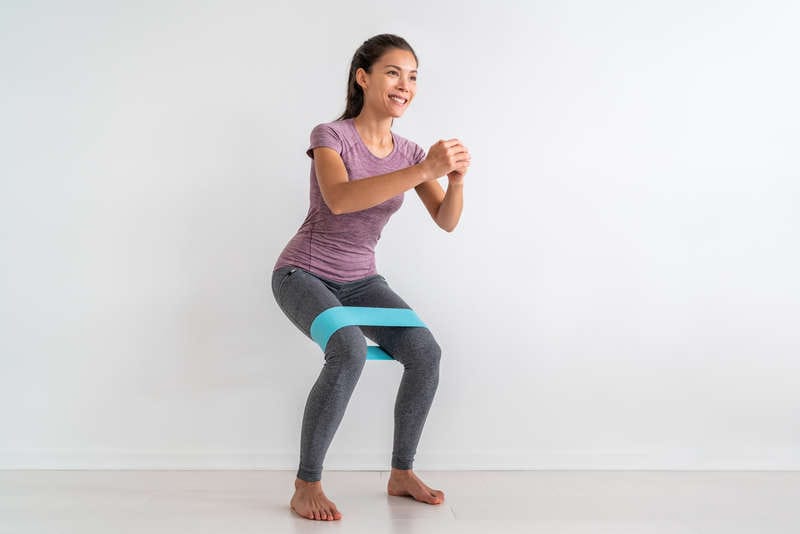
Unleash Your Inner Beast Sculpting Your Lower Body with Monster Walks

Monday, June 24, 2024
Rise and Shine Stretch Time How to Start Your Perfect Morning Stretch Routine



