Thursday, October 10, 2024
The Unexpected Threat of Mosquito-Borne Virus EEE
Discover the latest news on the dangerous mosquito-borne virus, EEE, and what you can do to protect yourself from this deadly threat.
Amid our pursuit for health and wellness, an unexpected adversary has made its presence known—the mosquito-borne virus, Eastern Equine Encephalitis (EEE). Recently, a resident of New York fell victim to this rare and deadly virus, prompting a swift and serious response from state officials. But what does this mean for those of us who prioritize our physical health? Let's explore how EEE can impact not just our health goals but also our daily lives and what proactive steps we can take to protect ourselves.
Understanding Eastern Equine Encephalitis
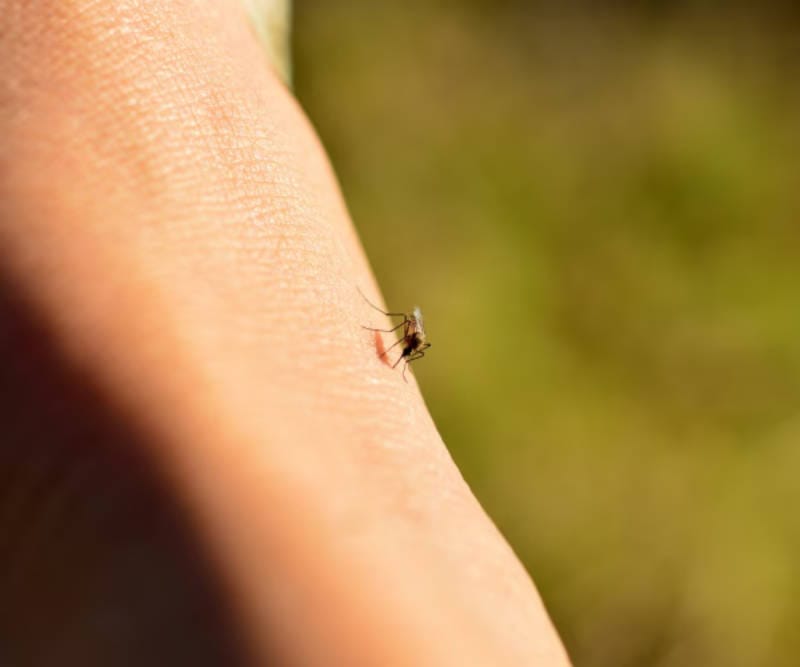
Eastern Equine Encephalitis, or EEE, is a viral illness transmitted through mosquito bites. While fitness enthusiasts often focus on staying active and healthy, it's crucial to understand potential health threats like EEE that can disrupt our routines. This virus, though rare, is severe and should not be taken lightly. For those dedicated to personal wellness, staying informed about such health threats is essential.
EEE is primarily found in eastern and Gulf Coast states, making it a particular concern for residents in these areas. Fitness and health enthusiasts who enjoy outdoor activities should be aware of the virus's presence in their region. Despite the low number of cases reported each year, the impact of an EEE infection is significant, with a high mortality rate and severe symptoms.
The Recent Case in New York
The recent death in Ulster County, New York, has brought EEE to the forefront of public health discussions. This tragic event marks the first EEE-related death in the state since 2015. Such incidents serve as a stark reminder that while we pursue our health goals, we must remain vigilant against unforeseen health threats.
Governor Kathy Hochul's decision to declare EEE an imminent public health threat underscores the severity of the situation. This declaration is a call to action, emphasizing the need for awareness and preventive measures. For those focused on health and wellness, it highlights the importance of staying informed and prepared.
A Nationwide Concern
While the recent case has drawn attention to New York, EEE is a nationwide concern. According to the Centers for Disease Control and Prevention, ten human cases of EEE had been reported in the United States as of September 17. The virus's prevalence, though low, varies each year, with a particularly high number of cases reported in 2019.
For fitness enthusiasts and health-conscious individuals, understanding the broader implications of EEE is vital. Awareness of the virus's distribution and its potential impact can guide us in making informed decisions about outdoor activities and preventative measures.
Symptoms and Risks of EEE
The EEE virus presents a range of symptoms, from fever and headache to more severe manifestations like seizures. For those who prioritize health, recognizing these symptoms and understanding the risks associated with EEE is crucial. The virus has a high mortality rate, with approximately 30% of those infected succumbing to the illness.
Fitness enthusiasts need to integrate knowledge of such health risks into their wellness routines. Being informed allows us to make safer choices and take steps to minimize exposure to potential threats like EEE.
The Need for Vigilance
In the face of such health threats, vigilance becomes a key component of our wellness strategy. For those who spend a lot of time outdoors, especially in areas where EEE is present, taking precautions against mosquito bites is essential. This might involve using insect repellent, wearing appropriate clothing, and avoiding peak mosquito activity times.
A proactive approach to health doesn't just involve exercise and nutrition; it includes being aware of external threats and taking steps to mitigate them. Staying informed about health risks like EEE is a vital part of maintaining a holistic approach to wellness.

The Role of State and Local Health Departments
The declaration of EEE as a public health threat by Governor Hochul signifies the importance of mobilizing state and local resources to combat the virus. For those committed to health and wellness, this highlights the role of government and community efforts in safeguarding public health.
Collaborative efforts between health departments and the public are crucial in managing health threats. By staying informed and following guidelines, fitness enthusiasts can contribute to a collective effort to reduce the risk of EEE transmission.
The Absence of Vaccines and Treatments
One of the most concerning aspects of EEE is the lack of available vaccines or treatments. For health enthusiasts, this underscores the importance of prevention as the primary defense against the virus. Without medical interventions, personal vigilance and community support become vital.
This reality challenges us to think beyond traditional health measures and consider broader strategies for protection. It encourages a proactive mindset, integrating preventive actions into our daily routines to minimize the risk of infection.
Learning from the Past
Historical patterns of EEE cases provide valuable lessons for present and future health strategies. By examining past outbreaks and responses, we can better prepare for potential health threats. For those focused on personal growth and self-improvement, learning from history is an essential part of evolving our approach to wellness.
Understanding how EEE has impacted communities in the past can inform our current strategies. It allows us to develop more effective preventive measures and fosters a sense of community resilience in the face of health challenges.
The Broader Implications for Health Enthusiasts
The emergence of EEE as a public health threat prompts us to consider its broader implications for our health goals. It's a reminder that our pursuit of wellness must be holistic, taking into account both internal and external factors.
For fitness enthusiasts, this means integrating awareness of health threats into our routines. It challenges us to think critically about how we can protect ourselves and our communities while continuing to pursue our health and fitness goals.
Community and Support
In moments of health crises, community support plays a vital role in managing threats. For those dedicated to health and wellness, fostering a sense of community can enhance our collective resilience. Sharing information, offering support, and working together can help us overcome health challenges like EEE.
By engaging with our communities and supporting public health efforts, we contribute to a safer environment for everyone. This collaborative approach aligns with our values of personal growth and self-improvement, reinforcing our commitment to health and wellness.
Taking Action
Ultimately, the presence of EEE challenges us to take action. For those focused on fitness and health, this means integrating preventive measures into our routines and staying informed about potential risks. It's a call to remain vigilant and proactive in our approach to wellness.
By taking action, we not only protect ourselves but also contribute to a collective effort to safeguard public health. This commitment to action aligns with our values of personal growth and resilience, empowering us to face health challenges with confidence.
Conclusion
The recent case of EEE in New York serves as a wake-up call for those committed to health and wellness. It reminds us that while we pursue our fitness goals, we must remain vigilant against external health threats. By staying informed, taking preventive measures, and supporting community efforts, we can protect ourselves and our loved ones.
For those interested in exploring more about health and wellness challenges, consider connecting with local health departments or engaging with online health communities. Together, we can create a safer, healthier environment for everyone.

See other posts like this one:

Sunday, July 07, 2024
Spicy Buffalo Bliss Discovering Pulled Buffalo Chicken Salad with Blue Cheese



Thursday, July 04, 2024
Wake Up and Work Out 7 Energizing Morning Exercises to Kickstart Your Day


Thursday, July 04, 2024
Strengthen Your Grip The Top 11 Forearm Exercises You Can Do at Home