Thursday, November 14, 2024
Understanding GLP-1 and Natural Ways to Boost It for Weight Management
Discover how GLP-1 affects appetite and blood sugar for weight management, explore natural ways to boost GLP-1, and learn about medications, their benefits, and potential side effects.
You may have heard about GLP-1 receptor agonists in discussions about weight loss or diabetes treatment. GLP-1, or glucagon-like peptide 1, has gained attention as people search for effective weight-management solutions. But what exactly is GLP-1, and how does it impact the body?
GLP-1 is a hormone that helps regulate blood sugar levels. It’s often used in diabetes treatments, with a surprising bonus effect—it can help people lose weight. Let’s break down what GLP-1 does in the body, its role in weight management, and how you can naturally support GLP-1 levels without relying on medications.
What Is GLP-1 and How Does It Work?
GLP-1 is produced in the intestines after you eat and plays a key role in controlling blood sugar. It works by increasing insulin levels while reducing glucose levels, which helps lower blood sugar. GLP-1 also slows digestion, which makes you feel full longer, reducing appetite and food intake. Because of these effects, researchers have targeted GLP-1 for weight-loss therapies.
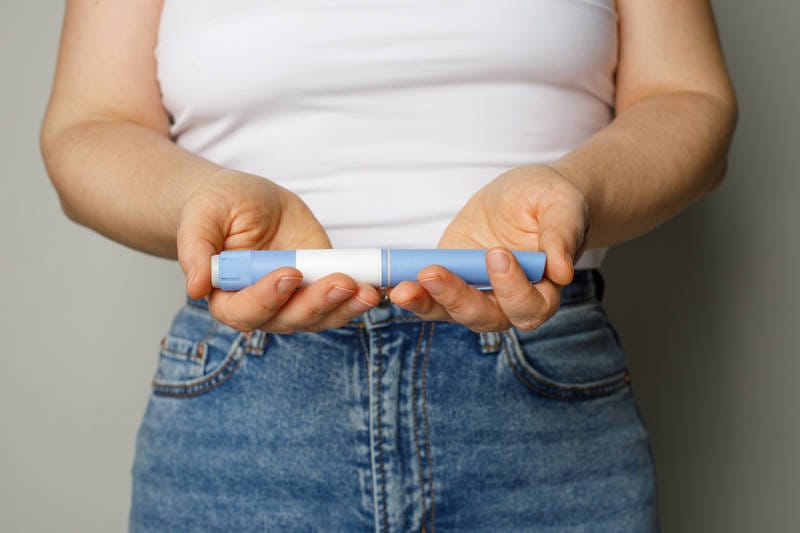
Medications that mimic GLP-1 are effective for weight loss by reducing calorie intake, which can make it easier to stick to a calorie-restricted diet. Popular drugs include:
- Dulaglutide: Primarily for diabetes management but supports weight loss with fewer doses per week, though side effects are possible.
- Semaglutide: Also a GLP-1 agonist, shown to aid in weight loss and blood sugar control, but it may have side effects like nausea.
- Liraglutide: Mimics GLP-1 to increase insulin and reduce appetite. It’s effective for weight loss but can cause nausea and diarrhea.
These medications are effective for weight loss and blood sugar control, and they may even lower risks for heart disease. However, they can be costly, may cause gastrointestinal side effects, and require injections. Some people stop using them due to discomfort and may regain the weight they lost.
A potential downside of these drugs is that they can reduce lean muscle mass along with fat loss.
Why Muscle Mass Matters
Maintaining muscle mass is important for long-term health, especially as we age. Muscle supports a healthy metabolism and physical independence. Losing muscle during weight loss can have negative impacts on health and functionality.

To maintain muscle mass while losing weight:
- Take key nutrients like creatine, zinc, vitamin D, magnesium, and omega-3s to support muscle.
- Eat enough protein from sources like meat, dairy, and legumes.
- Stay active with activities like walking, swimming, or cycling.
- Strength train at least two to three times a week, focusing on all major muscle groups.
Natural Ways to Boost GLP-1
While medications get the spotlight, there are natural ways to support GLP-1 levels:
- Exercise improves insulin sensitivity, helping with weight management and overall health.
- Supplements like berberine and omega-3s support glucose metabolism and may increase GLP-1.
- Fermented foods (yogurt, kefir, kimchi, sauerkraut) may boost GLP-1 levels and support gut health.
- Protein-rich foods like chicken, fish, and legumes stimulate GLP-1, supporting weight management.
- High-fiber foods (fruits, vegetables, whole grains) enhance GLP-1 secretion and slow digestion, helping you stay full.
Key Takeaways
GLP-1 is a hormone that helps control appetite and blood sugar, making it valuable for weight management. GLP-1 receptor agonist drugs effectively support weight loss and diabetes management but can be expensive and come with side effects.
Fortunately, lifestyle changes such as strength training, eating protein and fiber, and taking essential nutrients can help support weight management naturally, offering alternatives to GLP-1 medications.

See other posts like this one: