Thursday, June 06, 2024
Understanding the Protein Puzzle: Complete vs. Incomplete Proteins
Confused about complete and incomplete proteins? This article breaks down the differences and why it's important to have a balance of both in your diet for optimal health.
When it comes to maintaining a healthy diet, protein plays a crucial role in various bodily functions like muscle development, nutrient transportation, and tissue repair. However, not all proteins are equal. Let's delve deeper into the distinction between complete and incomplete proteins.
Complete vs. Incomplete Proteins
Proteins are essential for our body's overall well-being, aiding in essential functions like metabolism support and tissue repair. A shortage of protein or insufficient intake of vital amino acids can lead to health complications.
The human body requires 20 different amino acids for proper functioning. While it can produce 11 amino acids internally, there are nine amino acids categorized as essential that must be obtained through diet:
- Valine
- Phenylalanine
- Methionine
- Threonine
- Lysine
- Histidine
- Isoleucine
- TryptophanLeucine
Complete proteins encompass all essential amino acids necessary for optimal health. On the other hand, incomplete proteins lack some of these vital components.
Although incomplete proteins have their place in a balanced diet, relying predominantly on them necessitates ensuring the consumption of remaining essential amino acids from alternative food sources.

Complete Protein Foods
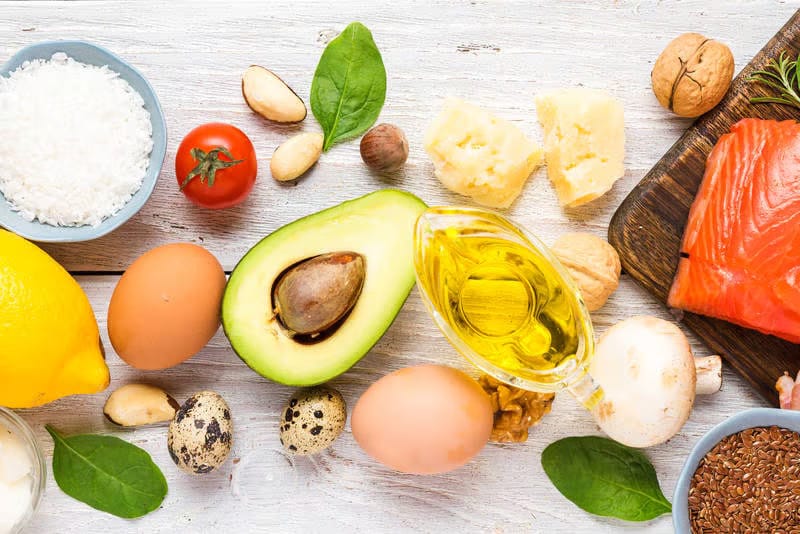
Discover a variety of common protein-rich foods that contain all essential amino acids:
- Algae
- Buckwheat
- Quinoa
- Most protein powders
- Whole soy foods such as tofu, edamame, tempeh, and miso
- Dairy foods
- Pork
- Eggs
- Poultry
- Fish
- BeefWild game
Incomplete Protein Foods
Explore incomplete proteins often favored by vegetarians:
- Vegetables like spinach,
- broccoli, and mushrooms
- Nuts and seedsBeans, legumes, lentils
Mix and Match for Balance
Don't stress about complete proteins in every meal; combine foods to create a complete protein throughout the day. For example, pair beans with rice or nut butter with whole-wheat.
Protein Insights
Some studies suggest that individuals relying more on incomplete proteins (like vegans) may need to boost their total daily protein intake. This is because complete proteins are easier for the body to digest and use.
Ideal Combinations
To optimize muscle growth, consider combining proteins in each meal for a full range of essential amino acids. Focus on diversity rather than specific amino acids when planning meals.
Protein Powders as Supplements
Enhance your protein intake with quality powders made from whey, casein, collagen, or plant-based sources like pea, oat, quinoa, and chia.

See other posts like this one: