Friday, October 25, 2024
US to Donate 1 Million Mpox Vaccine Doses to Africa
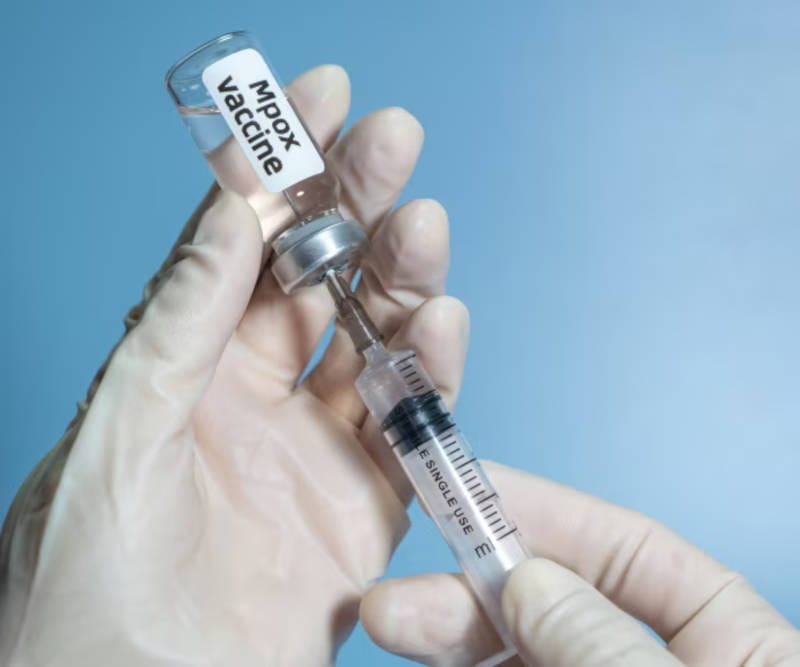
The United States plans to donate 1 million Mpox vaccine doses to African countries. Discover the impact of this decision and why it's a crucial step in fighting global health issues.
In a world that seems increasingly divided, it's heartening to see nations coming together for a common cause—especially when it involves saving lives. The recent announcement by President Joe Biden to donate 1 million mpox vaccine doses to Africa is a testament to the enduring spirit of global cooperation. But why is this endeavor so crucial? And what does it mean for both Africa and the global community?
The Mpox Outbreak Explained
Before discussing this donation's implications, let's unravel the story of the mpox outbreak. The crisis began in the Democratic Republic of Congo with an endemic strain known as clade I. However, a more contagious variant, clade Ib, has since emerged, spreading rapidly through close contact, even during routine daily interactions.
Mpox, while generally mild, can be fatal in rare cases. It manifests with flu-like symptoms and distinctive pus-filled lesions. The World Health Organization (WHO) has declared it a global public health emergency, and for good reason. The virus's reach extends far beyond Africa, having already made its presence known in countries as distant as India.
The U.S. Response and Its Significance
Against this backdrop, the U.S. pledge of 1 million vaccine doses is a beacon of hope. This initiative isn't just about providing immediate relief; it signifies a long-term commitment to global health. President Biden's announcement at the United Nations General Assembly serves as a call to arms for other nations, urging them to rally behind this cause.
The U.S.'s decision to use the Bavarian Nordic vaccine, known stateside as Jynneos, underscores the significance of this donation. These doses will come from the U.S. stockpile, supplementing the 60,000 shots already donated. It's worth noting that this isn't merely a transaction of vials and needles—it's a lifeline for countless individuals facing the threat of mpox every day.
Why Vaccine Distribution Matters
Equitable distribution is the linchpin of this massive undertaking. The U.S. has enlisted the help of Gavi, a public-private alliance renowned for co-funding vaccine purchases in low-income countries. Gavi's involvement ensures that these vaccines reach the most vulnerable populations who might otherwise be left behind.
Distributing vaccines fairly is not just a logistical necessity but a moral imperative. It represents a commitment to ensuring that access to healthcare is not a privilege reserved for the wealthy but a fundamental right for all. This effort by the U.S. and Gavi sets a precedent for how global health crises should be tackled—through collaboration and compassion.

Addressing Manufacturing Challenges
While the donation of vaccines is a critical step, it also highlights the urgent need for local manufacturing capabilities. The absence of an African manufacturer capable of producing the complex drug substance required for the vaccine is a significant hurdle. The U.S. administration is cognizant of this gap and is actively working with Brazil and other nations to explore solutions.
This collaboration is a clear indication of the importance of building infrastructure and expertise in low and middle-income countries. By doing so, the global community can ensure a more resilient and self-sufficient response to future health challenges.
The Role of Policy Makers and Humanitarian Workers
For policy makers and humanitarian workers, this moment presents both a challenge and an opportunity. The challenge lies in navigating the complexities of vaccine distribution and ensuring that aid reaches those who need it most. But the opportunity is equally significant—it offers a chance to reshape global health policies and systems for the better.
By engaging in this process, policy makers can advocate for sustainable solutions that extend beyond the immediate crisis. Humanitarian workers, on the ground, can provide insights into the realities faced by affected communities, ensuring that policies are informed by lived experiences.
Building Community Among Global Health Enthusiasts
For global health enthusiasts, this is a pivotal moment to engage with the movement towards a healthier world. Join discussions, support initiatives, and educate yourself and others about the importance of global health equity. This commitment to understanding and action is what will drive lasting change.
A Call to Action
The U.S. donation of mpox vaccines to Africa is more than a response to a health crisis—it's a call to action for the entire global community. It challenges us to question our approach to health equity and to take decisive steps toward a more unified and compassionate world.
For further reading on how you can contribute to global health initiatives, consider exploring resources from organizations like WHO and Gavi. Engage with policymakers, support humanitarian efforts, and be part of the conversation that shapes our collective future.

See other posts like this one: