Wednesday, June 12, 2024
What Are Phthalates & 7 Scary Places They’re Hiding
Worrying about the hidden dangers of phthalates? Learn what they are, where they’re hiding, and how to avoid them for a healthier life today.
In today's world, it’s nearly impossible to go through a day without encountering phthalates. From the shampoo you use in the morning to the workout gear you wear in the evening, these chemicals have permeated countless aspects of our daily lives. But what exactly are phthalates, and why should you be concerned about them?
What Are Phthalates?
Phthalates (pronounced the-lets) are a large family of chemicals often referred to as plasticizers. Their primary function is to soften and strengthen plastics, enhancing their flexibility, durability, and longevity. Essentially, they are the reason a plastic item can bend and move without cracking or breaking. Because of these properties, phthalates are used in a vast array of products, earning them the nickname “the everywhere chemical.”
Potential Phthalate Health Risks
While the versatility of phthalates makes them invaluable for manufacturing, their omnipresence poses significant health risks. Research has linked phthalate exposure to a variety of health issues, including:
- Neurological Effects: There is growing evidence that phthalate exposure can affect brain development and cognitive functions.
- Obesity and Metabolic Disorders: Some studies suggest that phthalates may contribute to obesity and metabolic disorders by altering fat cell development.
- Respiratory Problems: Inhalation of phthalate particles can exacerbate asthma and other respiratory conditions.
- Hormonal Disruptions: Phthalates can interfere with the body’s endocrine system, leading to reproductive health problems and developmental issues in children.
7 Scary Places Phthalates Are Hiding
1. Personal Care Products
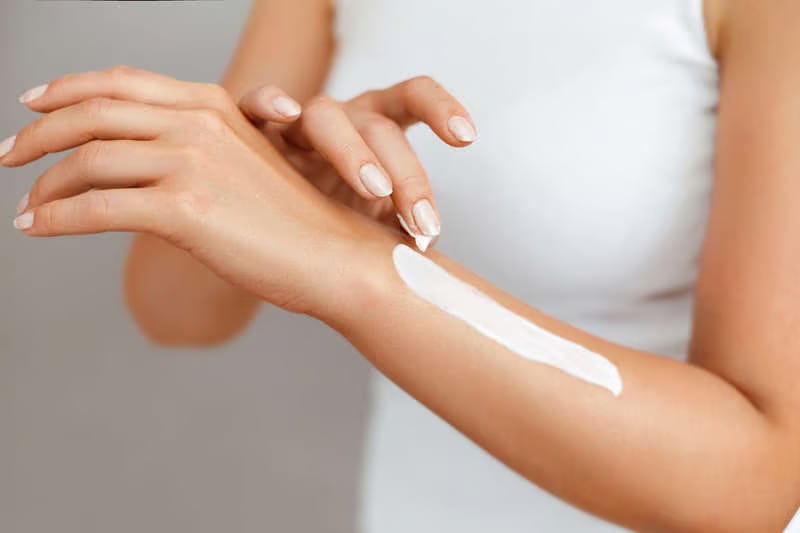
One of the most common places you'll find phthalates is in personal care products such as shampoos, lotions, and cosmetics. They are often added to improve the texture, flexibility, and longevity of these products. For example, phthalates help nail polish resist chipping and make fragrances last longer on your skin.
Tip: Look for labels that say “phthalate-free” or choose products from brands committed to using natural and safe ingredients.
2. Clothing
Lorem ipsum dolor sit amet, consectetur adipisicing elit. Autem dolore, alias, numquam eYes, even your wardrobe isn’t safe from phthalates. These chemicals are used in various types of clothing to make them more durable and flexible. Phthalates are particularly prevalent in items made from artificial leather, raincoats, and even some workout clothes.
Tip: Opt for clothing made from organic or natural fibers, and avoid items labeled as “waterproof” or “stain-resistant,” as these often contain higher levels of phthalates.nim ab voluptate id quam harum ducimus cupiditate similique quisquam et deserunt, recusandae.
3. Food
Phthalates can also make their way into your food. They can leach into food from packaging materials, particularly those made from plastic. Additionally, phthalates are used in some food processing equipment, which can lead to contamination.
Tip: Reduce your use of plastic containers and wrap. Opt for glass, stainless steel, or BPA-free options for food storage. Also, try to consume fresh, whole foods rather than processed options.

4. Cleaners
Household cleaners are another common source of phthalates. They are used to stabilize fragrances and enhance cleaning power. Unfortunately, this means that whenever you clean your home, you could be spreading phthalates around.
Tip: Choose natural or eco-friendly cleaning products. You can also make effective cleaners at home using ingredients like vinegar, baking soda, and essential oils.
5. Medical Devices
Phthalates are often used in medical devices such as IV bags, tubing, and other flexible plastic products. While these uses are critical for functionality, they also pose a risk of phthalate exposure, especially in vulnerable patients.
Tip: If you or a loved one are undergoing medical treatment, discuss alternative options with your healthcare provider.
6. Fragrances
Phthalates are a common ingredient in many scented products, including air fresheners, perfumes, and candles. They help to carry the fragrance and make it last longer, but they also release phthalate particles into the air.
Tip: Opt for products that use natural essential oils for fragrance. Avoid air fresheners and look for non-toxic, phthalate-free candles.
7. House Materials
Last but not least, phthalates can be found in various household materials, including flooring, wall coverings, and furniture. Vinyl flooring and some paints are notorious for containing high levels of phthalates.
Tip: When renovating or furnishing your home, choose materials labeled as phthalate-free. Consider alternatives like wood, ceramic, and natural fibers.
What Are Phthalates: A Recap
Phthalates are pervasive chemicals used to enhance the properties of numerous products. Despite their utility, they pose several health risks, including hormonal disruptions, respiratory issues, and neurological effects. Being aware of where phthalates are commonly found can help you make informed choices to minimize exposure.
By opting for phthalate-free products and adopting safer alternatives, you can protect yourself and your family from the potential dangers of these ubiquitous chemicals. The journey to a healthier, more eco-friendly lifestyle starts with informed decisions—every small step counts.
Share this post with your friends and family to spread awareness about the hidden dangers of phthalates and how to avoid them. Together, we can make safer, healthier choices for ourselves and our planet.

See other posts like this one:


Saturday, June 22, 2024
Boneless vs. Bone-In Wings—The Ultimate Showdown for Health and Fitness

Saturday, June 22, 2024
9 Proven Ways to Bust Through a Weight-Loss Plateau and Keep Going Strong
Saturday, June 22, 2024
Nourish Your Mind and Body with These 10 Foods to Fight Depression and Fatigue
Saturday, June 22, 2024
Discover the Secret to Boosting Your Health with the Best Greens Powder