Friday, May 31, 2024
What are the Best Times to Eat Carbs? Find Out Now
Discover the best times to eat carbs for energy and weight management with our comprehensive guide. Maximize your carb intake for optimal health and wellness.
When it comes to healthy living and weight loss, carbohydrates have long been labeled as THE sworn enemy. But carbs are not the villain they have been made out to be. Why? Because the key to a healthy diet is balance and consistency. In other words, you need to be able to stick with it. And carbohydrates, along with fat and protein, are an important fuel source and serve to transport nutrients into the body. Once you understand that carbs are an essential part of a balanced diet, the next question is often: what is the best time to eat carbs?
Simple vs. Complex Carbs
Before diving into the best times to eat carbs, it’s crucial to understand the difference between simple and complex carbohydrates. This distinction can significantly impact how your body processes carbs and how they influence your energy levels and overall health.
Simple Carbs
Simple carbohydrates, also known as sugars, are found naturally in fruits, vegetables, and dairy products. They are also present in refined and processed foods like candy, pastries, and soft drinks. Simple carbs are broken down quickly by the body, leading to rapid spikes and drops in blood sugar levels. While they can provide a quick source of energy, relying heavily on simple carbs can lead to energy crashes and increased hunger.
Complex Carbs
Complex carbohydrates, on the other hand, are found in whole grains, legumes, and starchy vegetables. These carbs consist of longer chains of sugar molecules, which take more time for the body to break down and digest. As a result, complex carbs provide sustained energy and tend to have a more stable impact on blood sugar levels, making them a healthier choice for sustained energy and satiety.
Timing Carb Intake
Now that we understand the different types of carbohydrates, let's explore when it's best to consume them to optimize health, energy, and performance.
1. Pre-Workout
One of the best times to eat carbs is before a workout. Carbohydrates provide a quick source of fuel that can help improve your performance and endurance during exercise. Consuming carbs before a workout ensures that your muscles have the glycogen stores they need to power through intense physical activity.
For pre-workout nutrition, opt for easily digestible carbs such as fruits (bananas, apples), whole-grain toast, or a small bowl of oatmeal. Aim to eat these carb sources about 30-60 minutes before your workout to give your body enough time to digest and convert them into energy.
2. Post-Workout
Another optimal time to consume carbs is after your workout. Post-workout is a critical period for recovery, and consuming carbohydrates can help replenish depleted glycogen stores in your muscles. This is also an excellent time to pair carbs with protein to aid in muscle repair and growth.
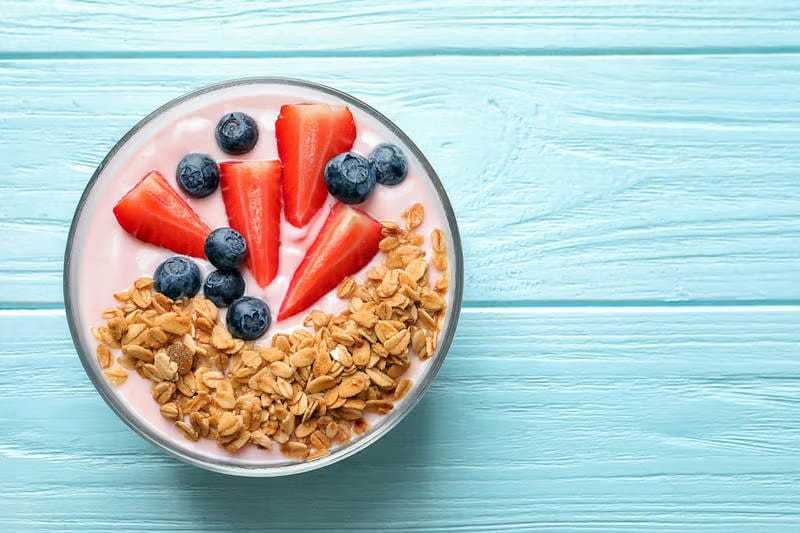
Consider post-workout snacks like a protein shake with a banana, a turkey sandwich on whole-grain bread, or a yogurt with some berries. These combinations provide both carbs and protein, facilitating recovery and helping you bounce back quickly for your next workout.
3. Carb-Backloading
Carb-backloading is a dietary strategy that involves consuming the majority of your daily carbohydrates later in the day, particularly in the evening. This approach is based on the idea that eating carbs at night can help improve insulin sensitivity and promote better sleep.
Proponents of carb-backloading argue that this strategy can enhance muscle growth and fat loss by aligning carb intake with the body's natural circadian rhythms. While research on carb-backloading is still limited, some individuals may find this approach effective for their lifestyle and fitness goals.
4. Carbs for Breakfast
Eating carbs for breakfast is another popular strategy, especially for those who need a boost of energy to start their day. A balanced breakfast that includes complex carbs, such as oatmeal or whole-grain cereal, can provide sustained energy and help prevent mid-morning energy crashes.
Pairing carbs with protein and healthy fats, like eggs or nuts, can further enhance satiety and keep you feeling full until lunchtime.
5. Carbs and Sleep
Consuming carbs in the evening can also influence sleep quality. Carbohydrates can increase the production of serotonin, a neurotransmitter that promotes relaxation and sleep. Including a small portion of complex carbs, like a sweet potato or a bowl of quinoa, in your dinner may help you unwind and prepare for a restful night's sleep.
Carbs Are Not the Enemy
It’s essential to remember that carbs are not the enemy when consumed in moderation and at the right times. They play a vital role in fueling your body, supporting brain function, and maintaining overall health. The key is to choose the right types of carbs and time your intake to align with your daily activities and fitness goals.
Best Time to Eat Carbs: A Recap
To sum up, here are the best times to eat carbs to maximize their benefits:
- Pre-Workout: Consume easily digestible carbs about 30-60 minutes before exercising to fuel your workout.
- Post-Workout: Replenish glycogen stores and aid muscle recovery by combining carbs with protein.
- Carb-Backloading: Consider consuming the majority of your carbs in the evening to align with natural circadian rhythms.
- Breakfast: Start your day with complex carbs for sustained energy and satiety.
- Dinner: Include complex carbs in your evening meal to promote relaxation and improve sleep quality.
By strategically timing your carb intake, you can optimize your energy levels, support your fitness goals, and maintain a balanced, healthy diet. Remember, the goal is not to eliminate carbs but to enjoy them in a way that complements your lifestyle and enhances your well-being.
Are you ready to harness the power of carbs for better health and performance? Share your favorite carb-timing strategies in the comments below!

See other posts like this one:


Saturday, June 22, 2024
Boneless vs. Bone-In Wings—The Ultimate Showdown for Health and Fitness

Saturday, June 22, 2024
9 Proven Ways to Bust Through a Weight-Loss Plateau and Keep Going Strong
Saturday, June 22, 2024
Nourish Your Mind and Body with These 10 Foods to Fight Depression and Fatigue

Saturday, June 22, 2024
Discover the Secret to Boosting Your Health with the Best Greens Powder