

Friday, May 31, 2024
What Does Turmeric Do for Your Body?
Are you curious about turmeric's much-touted health benefits? Please find out how this spice can help with inflammation, digestion, and more in our latest blog post.
Over the past few years, the popularity of turmeric has grown exponentially. It has not only gained attention in coffee shops and social media, but turmeric has caught the eye of many folks looking for some full-body health benefits. And while you might not have jumped on the turmeric bandwagon just yet, it’s likely you are already acquainted with this golden spice.
What is Turmeric?
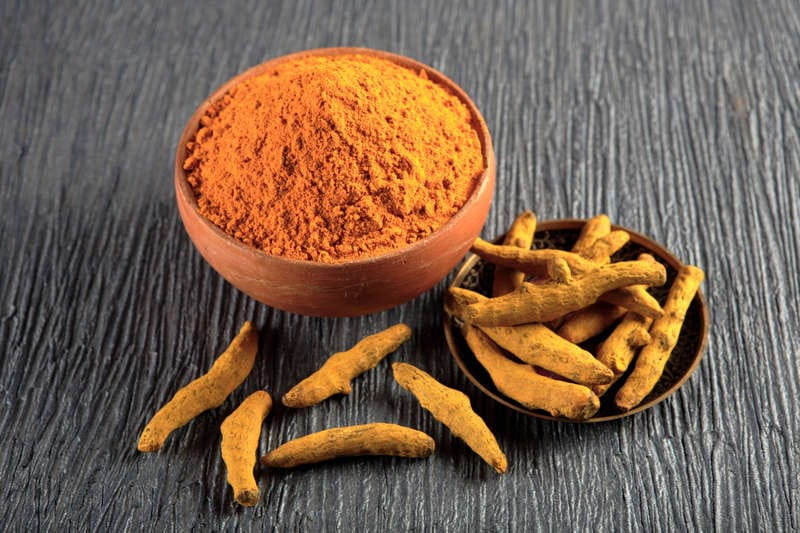
Turmeric is a bright yellow-orange spice derived from the root of the Curcuma longa plant, a relative of ginger. Native to Southeast Asia, turmeric has been used for centuries in traditional medicine, particularly in Ayurveda and Traditional Chinese Medicine. The spice is commonly found in curry powders, mustards, and even some teas and lattes.
The active ingredient in turmeric is curcumin, a powerful compound responsible for most of its health benefits. Curcumin is known for its anti-inflammatory, antioxidant, and antibacterial properties, making turmeric much more than just a flavorful addition to your recipes.
Benefits of Turmeric
1. Anti-Inflammatory Properties
Chronic inflammation is a common denominator in many diseases such as heart disease, cancer, and Alzheimer's. Curcumin in turmeric is a potent anti-inflammatory agent that can help reduce inflammation at the molecular level. Studies have shown that curcumin can inhibit molecules like NF-kB, which play a crucial role in inflammatory pathways.
2. Antioxidant Powerhouse
Oxidative stress is a significant factor in aging and many chronic diseases. Curcumin is a powerful antioxidant that neutralizes free radicals and stimulates the body's own antioxidant enzymes. By scavenging these harmful particles, it helps protect cells from damage.
3. Supports Digestive Health
Turmeric has been traditionally used to aid digestion. Curcumin stimulates bile production, which is essential for digesting fats. It also helps in reducing symptoms of bloating and gas. Moreover, turmeric's anti-inflammatory properties can help soothe conditions like irritable bowel syndrome (IBS) and inflammatory bowel disease (IBD).

4. Enhances Brain Function
Curcumin has been shown to increase levels of brain-derived neurotrophic factor (BDNF), a growth hormone that functions in the brain. Higher levels of BDNF improve brain function and lower the risk of brain diseases. Some studies also suggest that curcumin may help delay or even reverse brain diseases and age-related decreases in brain function.
5. Cardiovascular Benefits
Heart disease remains the leading cause of death worldwide. Curcumin can improve the function of the endothelium, the lining of the blood vessels, thus regulating blood pressure and reducing the risk of heart disease. Additionally, curcumin's anti-inflammatory and antioxidant properties contribute to better cardiovascular health.
6. Aids in Weight Management
Turmeric can be a helpful addition to a weight management plan. Its anti-inflammatory properties can reduce inflammation in fat cells, thus helping to moderate body weight gain. Additionally, curcumin can boost metabolism and improve digestion, aiding in weight control.
7. Skin Health
Curcumin is beneficial for skin health, too. Its anti-inflammatory and antibacterial properties are effective against acne and eczema. It can also help in the healing of wounds and reduce the appearance of scars. Turmeric is often included in skincare products for its brightening and anti-aging effects.
Getting the Most Out of Turmeric
Quality Matters
When selecting turmeric, opt for high-quality organic products. This ensures fewer contaminants and higher curcumin content. Ground turmeric should be stored in a cool, dark place and used within a few months to maintain potency.
Enhance Absorption
Curcumin's bioavailability is relatively low, meaning it's not easily absorbed into the bloodstream. To enhance absorption, consider pairing turmeric with black pepper, which contains piperine. Piperine enhances curcumin absorption by up to 2,000%. Additionally, consuming turmeric with a fat source, like coconut oil or avocado, can also improve absorption, as curcumin is fat-soluble.
Mind the Dosage
While turmeric is generally safe for most people, excessive consumption can lead to digestive issues. The typical recommended dosage ranges from 500 to 2,000 milligrams of turmeric extract per day, containing 95% curcuminoids. Always consult with a healthcare provider before starting any new supplement regimen, especially if you have underlying health conditions or are on medication.
Conclusion
Turmeric is much more than a spice; it's a powerhouse of health benefits. From reducing inflammation to enhancing brain function and supporting cardiovascular health, its advantages are far-reaching. By understanding what turmeric can do for your body and how to incorporate it effectively into your diet, you can harness its full potential to support your wellness journey.
Whether you're a seasoned health enthusiast or just beginning to explore the world of natural remedies, turmeric offers a versatile and potent addition to your routine. Embrace the golden spice and experience the array of benefits it brings to your overall health and well-being.

See other posts like this one:





