Thursday, June 13, 2024
What I Learned After Having My First Panic Attack
Read about one person's experience with their first panic attack and the valuable lessons they learned. If you've ever had a panic attack, this post is for you.
After some internal back and forth, I decided that since we are all friends here, and so many of you have shared things that allowed you to be vulnerable, I would take a moment and share a scary incident that occurred over the Memorial Day weekend. This experience taught me more about my health and wellness journey than I could have ever expected.
Usually, when I sit down at my computer to author content for my job, I do so with the intent to resonate with my readers, and I often find quotes or interject my own “deep thoughts” so folks can relate and hopefully appreciate my take-home point(s). Today, however, I want to dive deep into a personal experience that profoundly impacted my understanding of mental health and
wellness: my first panic attack.
My Personal Experience of a Panic Attack
Over the Memorial Day weekend, I experienced something that was as baffling as it was terrifying. I was enjoying a relaxing afternoon with friends and family when, out of nowhere, I felt a sudden onset of overwhelming fear. My heart raced, my palms were sweaty, and I felt dizzy and detached from reality, as though I was looking at the world through a distorted lens.
Initially, I thought I was having a heart attack. I couldn't catch my breath, and my chest felt tight. The intensity of the moment made time seem to stretch infinitely. Luckily, a friend recognized what was happening and helped me calm down. After the incident, I realized I had experienced a panic attack—a term I had heard but never truly understood until that day.
What is a Panic Attack?
A panic attack is a sudden episode of intense fear that triggers severe physical reactions when there is no real danger or apparent cause. Panic attacks can be extremely frightening. When they occur, you might think you're losing control, having a heart attack, or even dying.
According to the Mayo Clinic, panic attacks can occur suddenly and without warning. They can happen occasionally or frequently and can be triggered by specific situations or occur unexpectedly. Understanding what a panic attack is helps demystify the experience and reduces the fear surrounding it.
What are the Symptoms of a Panic Attack?
Recognizing the symptoms of a panic attack can help you manage one if it occurs. Common symptoms include:
- Feelings of unreality or detachment
- Numbness or tingling sensation
- Dizziness, lightheadedness, or faintness
- Headache
- Chest pain
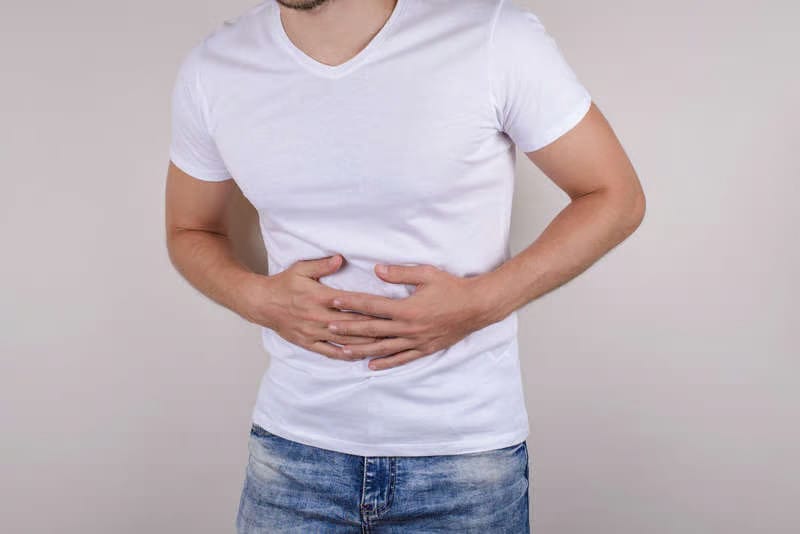
- Abdominal cramping
- Nausea
- Hot flashes
- Chills
- Shortness of breath or tightness in your throat
- Trembling or shaking
- Sweating
- Rapid heart rate
These symptoms can be incredibly disruptive but typically peak within minutes. Knowing that these sensations will pass can provide some solace during an attack.
What Causes a Panic Attack?
The exact cause of panic attacks isn't fully understood, but several factors can play a role, including genetics, major stress, and certain changes in the way parts of your brain function. Panic attacks can also be linked to anxiety disorders, though they can occur without such conditions.
Some potential triggers include:

- Stimulants such as caffeine or drugs
- Certain medical conditions
- Chronic stress
- Traumatic events
- Significant life transitions (e.g., getting married, having a child)
Understanding these triggers can help you recognize situations or conditions that may increase your risk of experiencing a panic attack.
How Can You Avoid or Minimize Your Panic Attack Risk?
While it may not be possible to completely eliminate the risk of panic attacks, there are strategies you can employ to minimize their frequency and intensity. Here are a few tips:
Practice Longevity Habits
Incorporating longevity habits into your daily routine can significantly impact your overall well-being. These habits include regular exercise, a balanced diet, adequate sleep, and mindfulness practices. Studies have shown that maintaining a healthy lifestyle can reduce anxiety and improve mental health.
Follow a Blue Zone Lifestyle
The Blue Zone lifestyle focuses on regions of the world where people live the longest and healthiest lives. Adopting principles from these regions, such as prioritizing family, having a sense of purpose, and eating a predominantly plant-based diet, can enhance your mental and physical health, reducing the likelihood of panic attacks.
Engage in Healthy Aging Practices
As we age, it's essential to focus on practices that support healthy aging. This includes staying socially connected, engaging in lifelong learning, and managing stress effectively. Activities like yoga, meditation, and tai chi are excellent for maintaining mental equilibrium and reducing anxiety.
Seek Professional Help
If panic attacks are frequent or severely impact your quality of life, seeking professional help is crucial. Cognitive-behavioral therapy (CBT) and other therapeutic approaches can provide you with coping mechanisms and strategies to manage anxiety and panic attacks effectively.
Build a Support Network
Having a support network of friends, family, or support groups can make a significant difference. Talking about your experiences and feelings can provide relief and understanding, reducing the isolation that often accompanies panic attacks.

See other posts like this one: