Saturday, June 01, 2024
What Is a Food Coma (And 6 Ways to Avoid It)
Are you tired of feeling sluggish and bloated after a big meal? Learn what causes food coma and discover six easy ways to avoid it for a happier, healthier you!
Whether you call it a food coma, sugar crash, food baby, overfull, or stuffed, we've likely all experienced what scientists refer to as "postprandial somnolence." Postprandial somnolence is that super sleepy feeling you get after a big meal, especially one laden with sugar, carbohydrates, and alcohol. These are all things that will slow you down, and this type of meal can leave you feeling lethargic rather than energized.
But what exactly is a food coma? What causes it? And most importantly, how can you prevent it from derailing your day? In this post, we’ll explore these questions and provide you with six actionable tips to avoid the dreaded food coma.
What Is a Food Coma?
A food coma, scientifically termed postprandial somnolence, is the state of drowsiness or lethargy that occurs after eating a large meal. This phenomenon is characterized by a sudden drop in energy levels, making you feel as though you'd rather take a nap than carry on with your day. While it’s a common experience, understanding what happens in your body during a food coma can help you make better dietary choices.
What Causes a Food Coma?
Several factors contribute to the onset of a food coma:
- Blood Sugar Spikes and Drops: Consuming a meal rich in carbohydrates can cause a rapid spike in blood sugar levels, followed by a swift drop. This fluctuation can lead to feelings of fatigue and lethargy.
- Digestive Demands: Digesting a large, heavy meal requires significant energy and blood flow to the digestive tract, diverting resources from other bodily functions, including alertness and mental clarity.
- Insulin Response: High-carb meals prompt the release of insulin, which helps store sugar in your cells but also triggers the release of tryptophan, an amino acid. Tryptophan then converts to serotonin and melatonin, neurotransmitters that promote sleepiness.
- Hormonal Changes: After eating, hormones like cholecystokinin (CCK) and glucose-dependent insulinotropic peptide (GIP) are released, which can slow your metabolism and promote feelings of fullness and drowsiness.
- Alcohol Consumption: Drinking alcohol with a meal can exacerbate drowsiness, as alcohol is a central nervous system depressant.
How to Prevent a Food Coma
While the occasional food coma might be inevitable, there are several strategies you can employ to minimize its frequency and severity.
1. Eat Less at Each Meal
Lorem ipsum dolor sit amet, consectetur adipisicing elit. Autem dolore, alias, numquam enim ab One of the simplest ways to prevent a food coma is to eat smaller portions. Overeating is a major contributor to post-meal drowsiness. By consuming less, you reduce the digestive load on your system, thereby decreasing the likelihood of feeling lethargic.
Actionable Tip:
Try using smaller plates to naturally limit portion sizes and avoid going back for seconds. Practice mindful eating by chewing slowly and savoring each bite, which can help you recognize when you're full before you overeat.voluptate id quam harum ducimus cupiditate similique quisquam et deserunt, recusandae.
2. Limit Your Water Intake with Meals
While staying hydrated is crucial, drinking large amounts of water during meals can dilute stomach acid, making digestion less efficient and potentially contributing to that heavy, sluggish feeling.
Actionable Tip:
Sip water throughout the day but limit your intake during meals. Aim to drink most of your daily water intake between meals rather than during them.
3. Get Some Light Exercise After Your Meal
Engaging in light physical activity after eating can aid digestion and help maintain your energy levels. Activities like walking can stimulate your metabolism and prevent the lethargy associated with a food coma.
Actionable Tip:
Aim for a 10 to 15-minute walk after meals. This doesn't have to be intense exercise—a leisurely stroll around the block can significantly impact how you feel.
4. Eat Light Foods
Opt for lighter, nutrient-dense foods that are easier to digest. Avoiding heavy, greasy, or overly processed foods can help prevent the sluggishness associated with a food coma.
Actionable Tip:
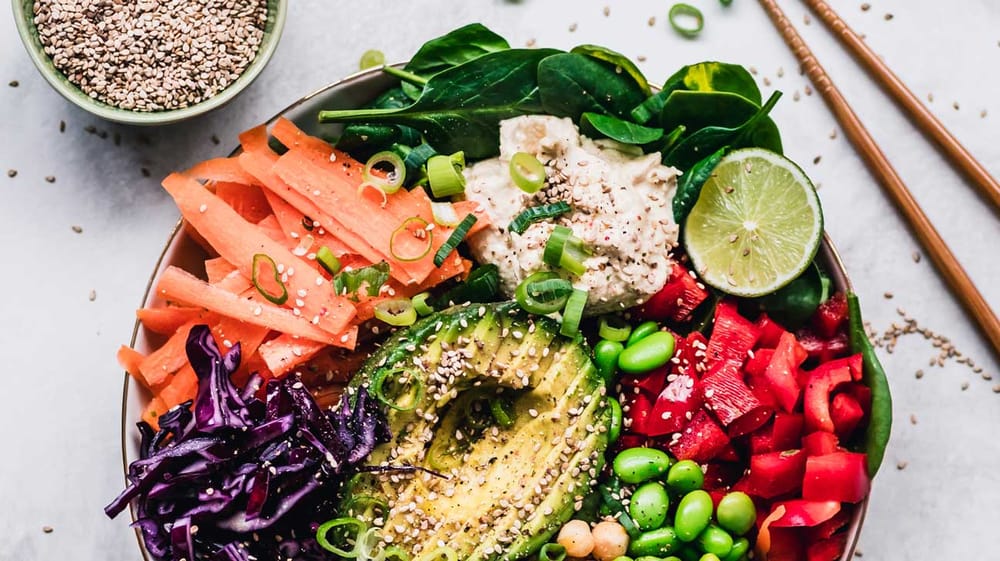
Incorporate more vegetables, lean proteins, and whole grains into your meals. Foods high in fiber and low in fat are generally easier on your digestive system and less likely to cause post-meal fatigue.
5. Limit Alcohol
As mentioned earlier, alcohol is a central nervous system depressant and can significantly contribute to post-meal drowsiness. Limiting alcohol intake during meals can help keep your energy levels steady.
Actionable Tip:
If you choose to drink, opt for a single glass of wine or beer and avoid high-alcohol-content beverages. Alternatively, enjoy a non-alcoholic beverage like sparkling water with a splash of citrus for a refreshing, energizing alternative.
6. Always Get Enough Protein
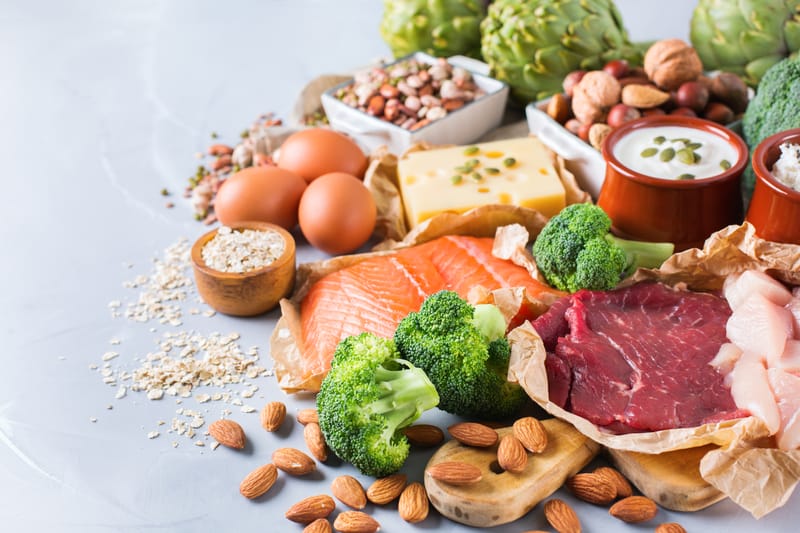
Including adequate protein in your meals can help stabilize your blood sugar levels and provide sustained energy. Protein takes longer to digest than carbohydrates, which can help prevent the rapid spikes and drops in blood sugar that contribute to a food coma.
Actionable Tip:
Aim to include a source of lean protein with each meal, such as chicken, fish, tofu, beans, or legumes. This can help you feel fuller for longer and maintain steady energy levels throughout the day.
Conclusion
Food comas might be a common occurrence, but they don’t have to be a regular part of your life. By understanding what causes this phenomenon and implementing these six strategies, you can enjoy your meals without the after-effects of lethargy and drowsiness.
Prioritize balanced, mindful eating, stay active, and make smarter beverage choices to keep food comas at bay. Your body will thank you for it, and you'll be better equipped to seize the day with energy and vitality.
Feel free to share your experiences and tips on avoiding food comas in the comments below. Here’s to happier, healthier eating!
---
By incorporating these strategies, you can turn post-meal lethargy into sustained energy, helping you stay active and focused throughout your day. If you found these tips helpful, share this post with others who might benefit from understanding and avoiding food comas. Together, we can all enjoy our meals without the need for a post-meal nap.

See other posts like this one:

Wednesday, December 03, 2025
17 Amazing Uses for Epsom Salt (Health, Beauty & Home Benefits Explained)

Monday, December 01, 2025
The 9 Worst Breakfast Foods For Blood Sugar: And Why They Are So Bad
Thursday, June 05, 2025
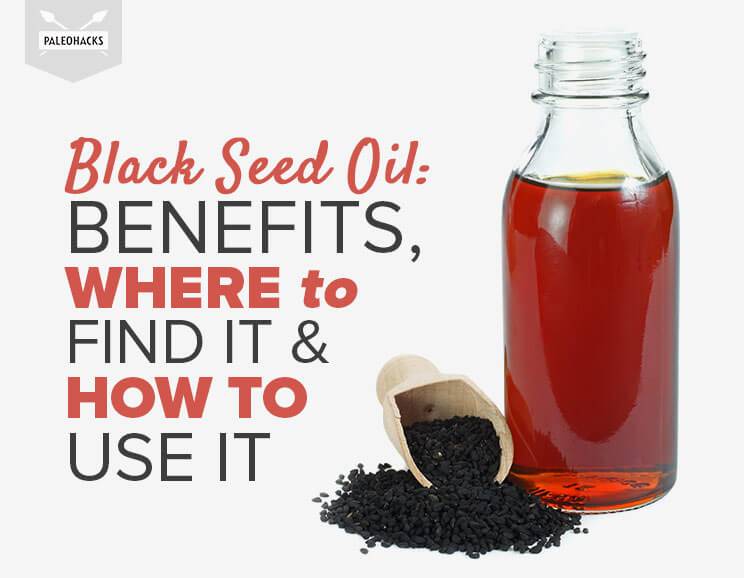
The Complete Guide to Black Seed Oil: Health Benefits, Uses, and Buying Tips What Is Black Seed Oil?

Wednesday, June 04, 2025
The Ultimate Guide to a Menopause Diet: What to Eat (and Avoid) to Ease Your Symptoms
Wednesday, June 04, 2025
Can One Apple a Day Help You Lose Weight? Why Granny Smith Apples Stand Out

Wednesday, June 04, 2025
Sweet Potatoes vs. Yams vs. White Potatoes: What You Really Need to Know


Monday, May 26, 2025
The Many Uses of Hydrogen Peroxide: From Teeth Whitening to First Aid and More