Friday, November 15, 2024
What Is Hydroxyapatite, and Can It Strengthen Teeth?
Discover the benefits of hydroxyapatite for stronger, healthier teeth. Learn how this natural mineral restores enamel, reduces sensitivity, and prevents cavities safely and effectively.
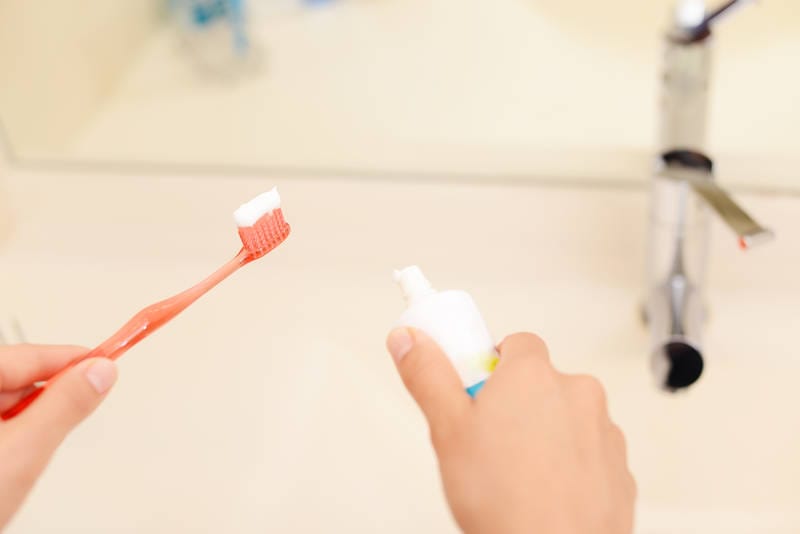
Having strong, healthy teeth isn’t just about a great smile—it’s also essential for overall health. Brushing and flossing regularly, often with fluoride, has been the standard recommendation for oral care. But there’s a newer ingredient, hydroxyapatite, that’s gaining attention for its ability to repair teeth. Could it be time to rethink your toothpaste? Let’s explore what hydroxyapatite is and how it benefits your teeth.
What Is Hydroxyapatite?
Your teeth are constantly undergoing a natural cycle of breaking down (demineralizing) and building back up (remineralizing). Eating sugary or acidic foods creates acids that weaken tooth enamel, but the body repairs this damage through remineralization. Traditionally, fluoride has been used to aid this process. Now, there’s a promising alternative: hydroxyapatite.
Hydroxyapatite is a naturally occurring mineral that makes up 70% of bones and 90% of tooth enamel. Composed of calcium, phosphate, and hydroxide, it strengthens bones and teeth while supporting bone health. Thanks to its compatibility with the human body, it’s widely used in medical and dental applications, including implants and bone grafts. Recently, it’s been added to toothpaste for its unique ability to rebuild enamel.
How Teeth Lose and Regain Minerals
Every day, your teeth lose and regain minerals due to their environment. Saliva, rich in calcium and phosphate, neutralizes acids and helps deposit minerals onto enamel. Plaque, a sticky film of bacteria, thrives on sugars and creates acids that demineralize teeth. If not removed, plaque hardens into tartar, making the problem worse.
When enamel loses too many minerals, it becomes porous and weak, leading to tooth sensitivity and eventually cavities. To prevent this, dentists recommend good oral hygiene, regular dental checkups, and fluoride products that strengthen enamel and reduce acid damage.
Foods like dairy, rich in calcium and phosphate, can boost remineralization. In contrast, sugary or acidic foods accelerate demineralization, as do habits like smoking and excessive alcohol consumption. Understanding these processes helps maintain healthy teeth.
How Hydroxyapatite Benefits Teeth
Hydroxyapatite can help your teeth in several ways:
- Safe and Biocompatible: As a natural component of teeth, hydroxyapatite is non-toxic and safe for children and adults.
- Whitens Teeth: It smooths the enamel surface, creating a brighter smile without harsh bleaching agents.
- Reduces Sensitivity: By reinforcing enamel, it minimizes discomfort from hot, cold, or sweet foods.
- Prevents Cavities: Strengthened enamel is more resistant to bacteria and acids, reducing the risk of cavities.
- Restores Enamel: It rebuilds enamel by filling microscopic gaps, reversing early signs of tooth decay.
This ingredient has been used for decades in countries like Japan and was initially developed for NASA astronauts to combat bone and tooth mineral loss in space.

Hydroxyapatite vs. Fluoride
Both hydroxyapatite and fluoride are effective in promoting dental health, but they work in different ways:
Hydroxyapatite:
- Safe if swallowed, making it ideal for children.
- Improves enamel smoothness for a whiter smile.
- Reduces tooth sensitivity.
- Rebuilds enamel by directly replenishing minerals.
Fluoride:
- Reduces bacteria’s ability to produce harmful acids.
- Attracts minerals to aid remineralization.
- Forms a stronger, acid-resistant layer on enamel (fluorapatite).
While fluoride has a long history of effectiveness, excessive use can cause issues like dental fluorosis (white spots or streaks on teeth) or, in rare cases, toxicity. Hydroxyapatite, on the other hand, poses fewer risks and is particularly appealing for parents of young children.
Which Should You Choose?
Both fluoride and hydroxyapatite offer benefits for dental health, and the choice often depends on personal preference or specific needs. For example:
- Choose Hydroxyapatite if you want a non-toxic, natural ingredient that reduces sensitivity and whitens teeth.
- Choose Fluoride if you prefer a widely available and affordable option with a proven track record.
Some products combine both for a balanced approach, offering the best of both worlds.
Takeaway: Hydroxyapatite is a promising option for strengthening and repairing teeth. Its natural composition and safety make it an excellent choice for many, including young children. Whether you choose hydroxyapatite, fluoride, or a combination, maintaining good oral hygiene is the most important step to healthy teeth and a bright smile.
See other posts like this one:



Friday, November 15, 2024
Understanding the Difference Between Tight and Stiff Muscles (and How to Loosen Them)






Friday, November 15, 2024
Too Busy to Exercise? Here’s a 15-Minute Full-Body Workout You Can Do Anywhere

Friday, November 15, 2024
Slugging, Slicking, or Slathering: What’s the Best Way to Hydrate Your Skin?