Monday, June 10, 2024
What is the Best Way to Clean Fruits and Vegetables?
Keep your produce clean and safe with these expert tips for washing fruits and vegetables. From homemade cleaners to store-bought options, find out what method works best for you.
If you are eating a healthy diet, you are eating fruits and vegetables. There’s no debate there. But before you take a big bite of that delicious, juicy produce, you need to make sure it’s clean!
Many different germs can contaminate foods and cause disease. In fact, more than 250 foodborne diseases from bacteria, viruses, and parasites have been identified. Common symptoms include nausea, vomiting, stomach cramps, and diarrhea. And anyone can get sick if they eat contaminated food. According to federal health officials, an estimated 48 million people are sickened by contaminated food each year.
What Are The Most Common Causes of Foodborne Illness?
Foodborne illnesses can be caused by a variety of pathogens, including bacteria, viruses, and parasites. Here are some of the most common culprits:
- Parasites: Parasites such as Giardia and Cryptosporidium can be found in contaminated water used to irrigate crops.
- Viruses: Norovirus and Hepatitis A can contaminate fruits and vegetables through improper handling and unsanitary conditions.
- Bacteria: Salmonella, E. coli, and Listeria are among the most well-known bacteria that can cause foodborne illness. They can be found in many types of produce, especially leafy greens and melons.
Understanding these risks underscores the importance of properly cleaning your produce before consumption.
The Best Ways to Clean Your Produce: 10 Tips
Cleaning fruits and vegetables effectively is essential to reducing the risk of foodborne illnesses. Here are ten tips to help you do just that:
- Use a Vinegar Solution for Extra Cleaning: A mixture of one part vinegar and three parts water can help remove more bacteria and pesticides from the surfaces of your fruits and vegetables. Rinse thoroughly with clean water afterward.
- Don’t Wash Too Early: Washing produce before storing it can promote mold growth. Wash them right before you are ready to use them.
- Store Properly: Keep washed produce in a clean container and store it in the refrigerator to prevent any further contamination.
- Cut Away Damaged Areas: Blemishes and bruised areas can harbor bacteria. Cut away these parts before consuming or cooking.
- Dry with a Clean Cloth: After washing, use a clean cloth or paper towel to dry your produce. This can help remove any lingering bacteria.
- Remove Outer Layers: For leafy greens and vegetables like lettuce and cabbage, remove the outer layers where dirt and germs are more likely to be concentrated.
- Scrub Firm Produce: Use a clean brush to scrub firm produce like potatoes, cucumbers, and melons to remove surface contaminants.
- Soak When Necessary: For produce like grapes, berries, and leafy greens, fill a clean bowl with cold water and let them soak for a few minutes to help dislodge any dirt or contaminants.
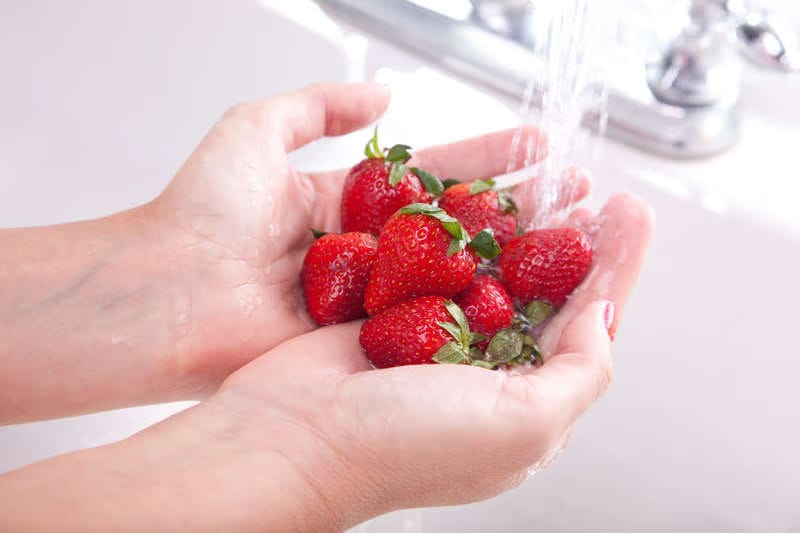
- Use Clean Water: Rinse your fruits and vegetables under cold, running water. There’s no need for fancy produce washes or cleaners.
- Wash Your Hands: Before handling any produce, wash your hands with soap and water to prevent transferring any germs.
What About Soap or Detergent?
You might be tempted to use soap or detergent to clean your produce, but this is not recommended. Fruits and vegetables are porous, and they can absorb these chemicals, making them less safe to eat. Stick to clean, cold water and, if necessary, a vinegar solution for an extra layer of cleanliness.
Do You Need to Wash Organic Produce?
Yes, even organic produce needs to be washed. While it may not be treated with synthetic pesticides, organic fruits and vegetables can still harbor bacteria, dirt, and other contaminants. The same washing techniques apply to both organic and conventionally grown produce.
Conclusion
LoreCleaning fruits and vegetables is a crucial step in preparing safe and healthy meals. By following these tips, you can reduce the risk of foodborne illnesses and enjoy the full benefits of your fresh produce. Remember, clean produce not only tastes better but also protects your health and well-being.
Are you ready to dive into a summer full of healthy eating? Follow these steps to keep your fruits and vegetables clean and safe, and enjoy the vibrant flavors of the season without worry. Happy eating!m ipsum dolor sit amet, consectetur adipisicing elit. Autem dolore, alias, numquam enim ab voluptate id quam harum ducimus cupiditate similique quisquam et deserunt, recusandae.

See other posts like this one: