Saturday, June 22, 2024
What Is the Mind Diet? A Beginner’s Guide
Confused about what the Mind Diet is and how it can benefit your health? Our beginner's guide breaks down everything you need to know in simple terms.
Have you ever wondered what would happen if you combined the best aspects of two highly effective diets? Imagine fusing the heart-healthy Mediterranean diet with the blood-pressure-lowering DASH diet, but with a twist—emphasis on brain health. This fusion is known as the MIND diet, a regimen gaining popularity among fitness enthusiasts, vegans, vegetarians, and health-conscious individuals. This guide will walk you through everything you need to know about the MIND diet, from its origins and food list to its benefits and potential drawbacks.
The Origins of the MIND Diet
The MIND diet, short for Mediterranean-DASH Intervention for Neurodegenerative Delay, was created by nutritional epidemiologist Martha Clare Morris and her colleagues. It aims to reduce the risk of Alzheimer’s disease and other forms of cognitive decline. The diet combines elements of the Mediterranean and DASH diets, both of which have been shown to promote cardiovascular health and reduce inflammation—key factors in maintaining brain health.
Initial studies on the MIND diet have shown promising results. Research published in the journal "Alzheimer’s & Dementia" found that individuals who followed the MIND diet had a significantly lower risk of developing Alzheimer’s disease. The study suggests that even moderate adherence to the MIND diet can slow cognitive decline.
Mind Diet Foods List
Leafy Greens
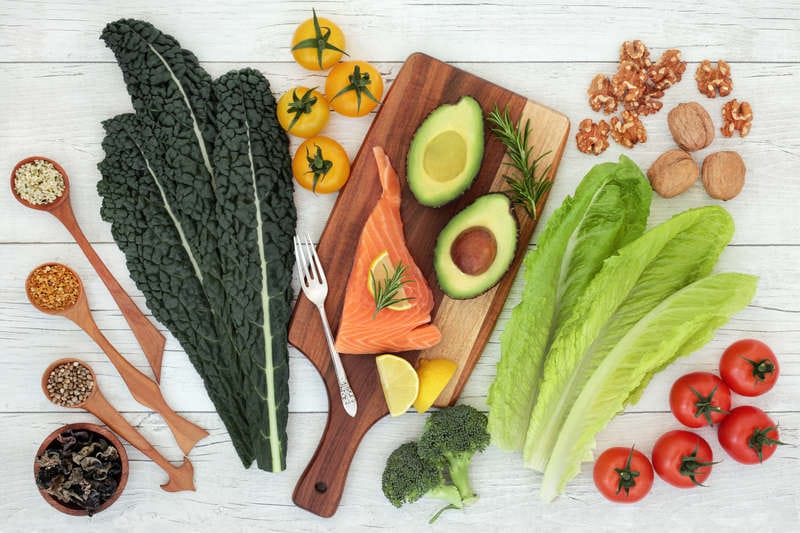
Leafy greens like spinach, kale, and Swiss chard are the stars of the MIND diet. These vegetables are rich in nutrients like vitamin K, lutein, and beta-carotene, which have been linked to slower cognitive decline.
Berries
Berries, especially blueberries and strawberries, are another crucial component. They are packed with antioxidants and flavonoids that help protect the brain from oxidative stress.
Nuts
Nuts like almonds, walnuts, and pecans provide healthy fats, fiber, and antioxidants. Eating nuts regularly has been associated with improved brain function.
Whole Grains
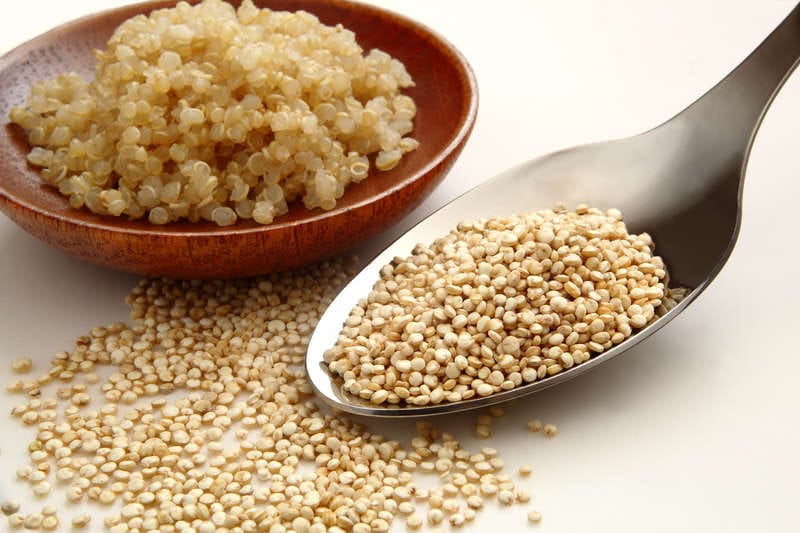
Whole grains such as oats, quinoa, and brown rice are staples in the MIND diet. They offer a steady source of energy and are rich in fiber, which helps maintain a healthy gut—important for overall brain health.
Fish
Fatty fish like salmon, mackerel, and sardines are high in omega-3 fatty acids, essential for brain function. The diet recommends consuming fish at least once a week.
Beans
Beans are a great plant-based protein source, rich in fiber and nutrients. They help stabilize blood sugar levels, which is beneficial for brain health.
How Does the MIND Diet Differ from DASH or Mediterranean?
While both the DASH and Mediterranean diets are beneficial, the MIND diet focuses specifically on foods that impact brain health. Unlike the DASH diet, which primarily targets blood pressure, the MIND diet includes specific brain-boosting foods like berries and leafy greens. Compared to the Mediterranean diet, the MIND diet places less emphasis on consuming fish and more on eating nuts and beans.
Another key difference lies in the recommended intake of certain foods. For example, while the Mediterranean diet suggests moderate consumption of wine, the MIND diet allows for up to one glass per day. This particular allowance is based on research indicating that moderate alcohol consumption may have neuroprotective effects.

Benefits of the MIND Diet
Cognitive Health
One of the most compelling benefits of the MIND diet is its potential to improve cognitive health. Studies have shown that adhering to the MIND diet can significantly lower the risk of Alzheimer’s disease and other forms of dementia.
Heart Health
Both the Mediterranean and DASH diets are known for their heart-healthy benefits. By combining elements of these diets, the MIND diet promotes cardiovascular health, which is closely linked to cognitive function.
Anti-Inflammatory
The MIND diet is rich in anti-inflammatory foods like berries, leafy greens, and nuts. Chronic inflammation has been implicated in various health conditions, including cognitive decline.
Drawbacks of the MIND Diet
Restrictive Nature
One potential drawback is the diet’s restrictive nature. It limits the intake of red meat, butter, cheese, pastries, and sweets. While these restrictions are beneficial for brain health, they may be challenging for some people to adhere to long-term.
Lack of Immediate Results
Unlike other diets that may offer quick weight loss, the benefits of the MIND diet, particularly cognitive benefits, may take longer to become apparent. This delayed gratification might deter some individuals from sticking to the diet.
Cost
Eating fresh, high-quality produce, fish, and nuts can be expensive. The cost factor may make the MIND diet less accessible for some people, particularly those on a tight budget.
MIND Diet Recap
The MIND diet is an innovative fusion of the Mediterranean and DASH diets, tailored to promote brain health. By focusing on specific foods known to benefit cognitive function, it offers a promising approach to reducing the risk of Alzheimer’s and other forms of dementia. However, like any diet, it comes with its own set of challenges and may not be suitable for everyone.
Conclusion
Incorporating the MIND diet into your lifestyle can be a powerful step toward better health, particularly for your brain. Its focus on nutrient-dense, anti-inflammatory foods not only supports cognitive function but also promotes overall well-being. If you’re interested in exploring this diet further, consider consulting with a nutritionist to tailor it to your specific needs.
Ready to take the next step? Join our community of health enthusiasts and discover more ways to enhance your well-being. Sign up for our newsletter and stay updated with the latest in health and nutrition.

See other posts like this one: