Saturday, June 01, 2024
What Is the Volumetrics Diet? Here’s How It Works
Discover the science behind the popular Volumetrics Diet and learn how it can help you lose weight without feeling deprived. Read on to find out more!
In the quest for optimal health and weight management, numerous diets have come and gone, each with its own promises and principles. However, few have garnered as much enduring interest as the Volumetrics Diet. This diet isn’t just another fleeting fad; it offers a sensible, evidence-based approach to eating that emphasizes fullness, satisfaction, and nutritional balance. Here’s an in-depth look at what the Volumetrics Diet is, how it works, its benefits, and potential drawbacks.
What Is the Volumetrics Diet, and Why Do You Want It in Your Life?
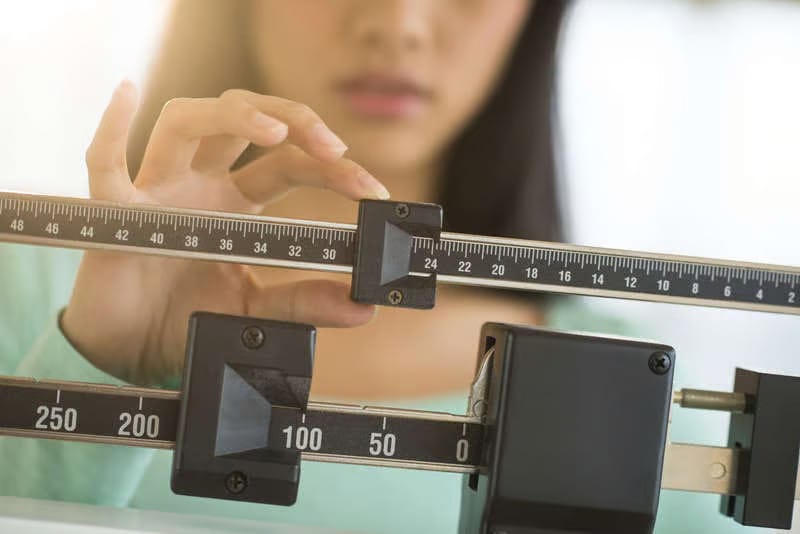
The Volumetrics Diet is designed to help you eat more, weigh less, and achieve better health without feeling deprived or resorting to extreme measures. Unlike many diets that restrict certain food groups or require meticulous calorie counting, the Volumetrics Diet focuses on the energy density of foods.
Energy density refers to the number of calories in a given volume of food. Foods with low energy density provide fewer calories for the same volume, allowing you to eat larger portions while maintaining or losing weight. This approach not only helps control hunger but also promotes a balanced intake of nutrients.
History of the Volumetrics Diet
The Volumetrics Diet was developed by Dr. Barbara Rolls, a leading nutrition researcher and professor at Penn State University. Dr. Rolls has spent decades studying the science of satiety and how the volume of food impacts hunger and eating behaviors. Her research led to the publication of "The Volumetrics Eating Plan" in 2000, which laid the foundation for this diet.
Dr. Rolls' work emphasizes the importance of feeling full and satisfied while consuming fewer calories. By focusing on foods that are naturally lower in calories but high in volume, such as fruits, vegetables, and soups, the Volumetrics Diet encourages healthier eating habits that can be sustained over the long term.

The Principles of the Volumetrics Diet
The Volumetrics Diet is built around several key principles:
- Energy Density: Foods are categorized based on their energy density. Low-energy-density foods, such as fruits, vegetables, and broth-based soups, are encouraged, while high-energy-density foods, like fatty snacks and desserts, are limited.
- Satiety and Satisfaction: The diet emphasizes eating foods that are high in water and fiber content, which help you feel full and satisfied without consuming excess calories.
- Balanced Nutrition: The Volumetrics Diet promotes a balanced intake of macronutrients (carbohydrates, proteins, and fats) and micronutrients (vitamins and minerals) to ensure overall health and well-being.
- Mindful Eating: Paying attention to hunger and fullness cues, eating slowly, and savoring meals are important aspects of the diet.
- Portion Control: While the diet allows for larger portions of low-energy-density foods, it still encourages mindful portion control for higher-energy-density foods.
Benefits of the Volumetrics Diet
The Volumetrics Diet offers several benefits that make it an attractive option for health enthusiasts:
- Sustainable Weight Loss: By focusing on foods that are filling but low in calories, the diet helps you lose weight without feeling deprived. This approach can be more sustainable than restrictive diets.
- Nutrient-Rich Foods: The emphasis on fruits, vegetables, whole grains, and lean proteins ensures that you get a wide range of essential nutrients.
- Improved Satiety: Foods high in water and fiber content can help you feel full for longer periods, reducing the likelihood of overeating and snacking on unhealthy options.
- Flexibility and Variety: The Volumetrics Diet does not eliminate any food groups, allowing for a varied and enjoyable eating experience. You can still enjoy your favorite foods in moderation.
- Positive Relationship with Food: By promoting mindful eating and focusing on satiety, the diet encourages a healthier relationship with food and reduces the guilt associated with eating.
Drawbacks of the Volumetrics Diet
Lorem ipsum dolor sit amet, consectetur adipisicing elit. Autem dolore, alias, numquam enim ab While the Volumetrics Diet has many advantages, it also has some potential drawbacks to consider:voluptate id quam harum ducimus cupiditate similique quisquam et deserunt, recusandae.
- Initial Adjustment: Transitioning to a diet rich in low-energy-density foods may require some adjustment, particularly if you are accustomed to eating high-calorie, processed foods.
- Meal Preparation: Preparing meals with fresh ingredients and a focus on volume can be time-consuming. It may require more planning and effort compared to convenience foods.
- Dining Out: Finding suitable options when dining out can be challenging, as restaurant portions and cooking methods may not align with the principles of the Volumetrics Diet.
- Individual Variation: As with any diet, individual preferences, metabolism, and lifestyle factors can influence the effectiveness of the Volumetrics Diet. It may not be suitable for everyone.
Volumetrics Diet: Recap
In summary, the Volumetrics Diet offers a sensible and sustainable approach to weight management and overall health. By focusing on the energy density of foods, promoting satiety and satisfaction, and encouraging balanced nutrition, this diet helps you eat more while consuming fewer calories.
Whether you're looking to lose weight, maintain a healthy lifestyle, or simply improve your eating habits, the Volumetrics Diet provides a flexible and enjoyable framework that can be tailored to your individual needs.
Ready to embark on your Volumetrics journey? Start by incorporating more low-energy-density foods into your meals, paying attention to portion sizes, and practicing mindful eating. With time and consistency, you'll find that you can achieve your health and wellness goals without feeling deprived or restricted.
For more tips and insights on healthy living, be sure to explore our other blog posts and join our community of health enthusiasts. Together, we can make informed choices that lead to a happier, healthier life.

See other posts like this one: