Friday, November 15, 2024
Slugging, Slicking, or Slathering: What’s the Best Way to Hydrate Your Skin?
Discover the best ways to hydrate your skin with slugging, slicking, or slathering. Learn which method suits your skin type, climate, and season to achieve a healthy, glowing complexion.
Keeping your skin hydrated is essential for a healthy, glowing complexion. With so many trends like slugging, slicking, and slathering, it’s easy to get confused about what’s best for your skin. Let’s break down these popular methods, their benefits, and when each one might work best for you.
Why Hydration Matters for Your Skin
Hydrated skin looks better, feels better, and is healthier overall. Proper hydration:
- Speeds up healing for wounds, cuts, and blemishes.
- Boosts your skin’s resilience to environmental stressors, reducing irritation, inflammation, and infections.
- Balances oil production, preventing both excess oiliness and dryness.
- Aids in cell turnover, helping your skin stay smooth and radiant.
- Helps maintain elasticity, which can delay fine lines and wrinkles.
- Reduces dryness, flakiness, and discomfort.
- Supports the skin’s barrier, protecting against pollutants, bacteria, and other irritants.
In short, hydrated skin is more resistant to damage and looks plumper and more youthful.
Exploring the Hydration Methods: Slugging, Slicking, and Slathering
Let’s dive into these three popular hydration techniques.
1. Slugging
What It Is: Slugging involves applying a thick layer of an occlusive product (like petroleum jelly or ointments) at night to lock in moisture.
Benefits: It creates a barrier that deeply hydrates and helps repair the skin’s barrier, making it ideal for dry or mature skin.
Drawbacks: Slugging can clog pores for oily or acne-prone skin types and may feel heavy or greasy.
2. Slicking
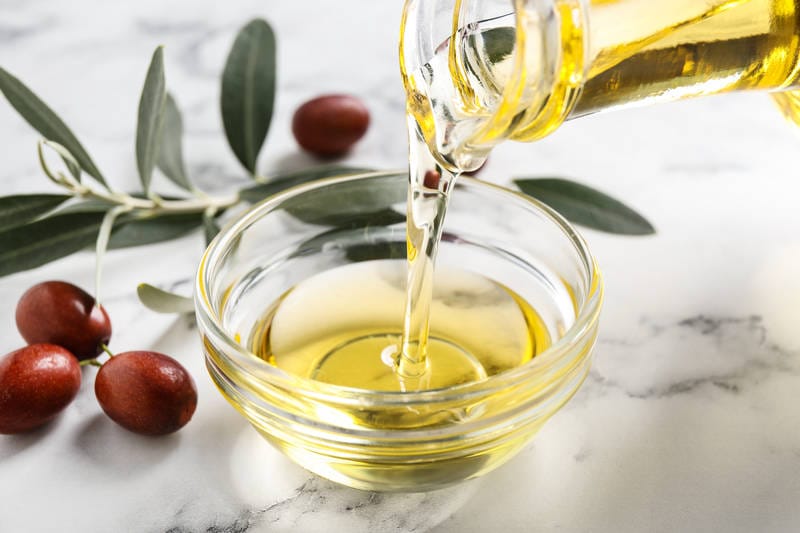
What It Is: Slicking uses natural oils (like jojoba, argan, or rosehip) to moisturize and nourish the skin with vitamins and fatty acids.
Benefits: Slicking improves skin texture and supports healing. Oils provide hydration and nourishment.
Drawbacks: Some oils can clog pores or leave a greasy residue, which may not suit oily skin types.
3. Slathering
What It Is: Slathering involves applying a generous amount of lotion, cream, or serum that contains humectants, emollients, or occlusives.
Benefits: Lightweight formulas absorb quickly without greasiness, and there are products tailored to address specific skin concerns like aging, dryness, or discoloration.
Drawbacks: Some ingredients may irritate sensitive skin, and high-quality lotions can be costly. Consistent use over time is often necessary to see the best results.
Choosing the Right Method for Your Skin Type and Climate
The best method may vary based on the season, climate, and your unique skin needs.

Winter or Cold Climates
Slugging works well in cold, dry weather, as it creates a strong moisture barrier. Slicking with nourishing oils can also help, though oils alone may not fully prevent water loss. When slathering, choose rich creams or lotions with occlusive properties like hyaluronic acid or ceramides for extra hydration.
Summer or Warm Climates
Slugging may feel too heavy in warmer weather, potentially clogging pores. Instead, try slicking with lightweight oils (like jojoba or grapeseed) or use a quick-absorbing lotion, gel, or serum for non-greasy hydration.
Matching Hydration Methods to Skin Types
Dry Skin
Dry skin often benefits from slugging to lock in moisture, with options like slicking using richer oils. During the day, consider slathering with hydrating creams containing emollients and humectants for lasting moisture.
Oily or Acne-Prone Skin
Slugging and heavier oils can clog pores for oily or acne-prone skin. Instead, opt for a lightweight oil, like jojoba, or an oil-free, non-comedogenic moisturizer that provides hydration without triggering breakouts.
Combination Skin
Those with combination skin can use a mix of methods: apply an occlusive layer (like slugging) on dry areas and use a lightweight lotion on oilier spots. Alternatively, a balanced moisturizer can work for both dry and oily areas.
Mature Skin
As skin ages, hydration becomes even more critical. Slugging can help retain moisture and reduce fine lines, while slicking with antioxidant-rich oils may support elasticity. Look for anti-aging creams and serums with ingredients like retinol, peptides, hyaluronic acid, or vitamin C.
Other Tips for Keeping Skin Hydrated
Regardless of your preferred method, there are other ways to help your skin stay hydrated:
- Always wear sunscreen to protect against sun damage and dryness.
- Use a humidifier if you live in a dry climate.
- Avoid harsh cleansers that strip natural oils.
- Drink plenty of water throughout the day.
By choosing the right method for your skin type and conditions, you can enjoy the benefits of hydrated, healthy skin year-round.

See other posts like this one:



Sunday, June 30, 2024
Sculpt Your Arms No Weights Needed Try This Effective Upper Body Workout




Saturday, June 29, 2024
Level Up Your Balance 7 Lateral Pelvic Tilt Exercises for Uneven Hips