Friday, June 14, 2024
What Your Tongue Says About Your Health
Did you know that your tongue can reveal important clues about your overall health? Learn how to decode these signs and take control of your well-being today.
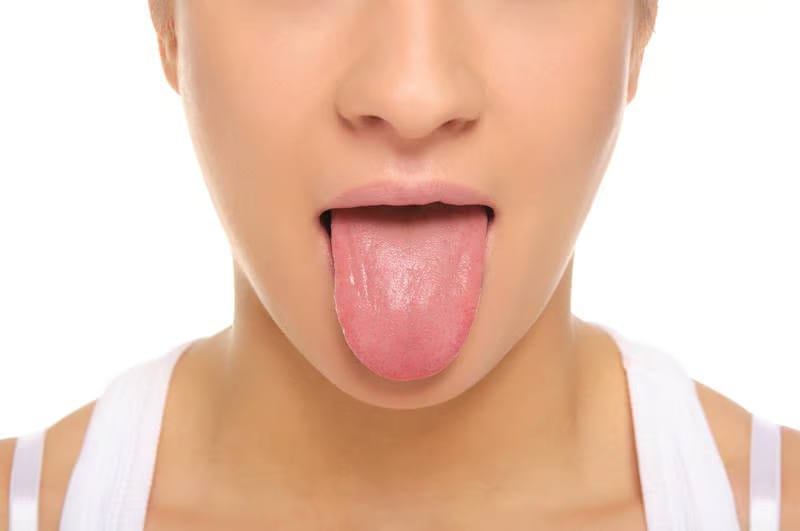
When was the last time you stuck out your tongue at yourself in the mirror? Odd question, perhaps, but understanding the appearance of your tongue can provide insightful clues about your overall health. Often overlooked in daily hygiene routines, this muscular organ does more than aid in food consumption and speech; it can be a window into the body's wellbeing.
In this post, we’ll explore what changes in the color, texture, and shape of your tongue could signal about your health. Our target audience, including homeowners, health-conscious individuals, and eco-friendly consumers, can benefit from these insights, encouraging a holistic approach to health that aligns perfectly with a sustainable lifestyle.
Tongue Color: A Rainbow of Health Indicators
Your tongue’s natural color should be a medium pink shade, denoting proper hydration and health. However, variations might indicate underlying health issues:
- Incorporating eco-friendly laundry practices and towel hygiene could play a surprising role here; for instance, ensuring you’re using clean, damp cloths to gently cleanse your mouth and tongue can help prevent infections or bacteria build-up.
- Yellow Coating: Often linked to a fungal infection or stomach issues.
- Purple Tongue: This might be a sign of poor circulation, high cholesterol levels, or a heart problem.
- Bright Red Tongue: A tongue this color may reveal a deficiency in folic acid, B12, or indicate a fever or strep throat.
- Pale Tongue: This could suggest anemia or a deficiency in iron or B vitamins. Considering additional symptoms is crucial for a proper diagnosis.
Tongue Texture & Shape: Feeling and Shape Matters

The surface of your tongue can also tell a story about your health:
- Cracks or Fissures: These can be a natural variation but, in some cases, may point to a fungal infection or Sjögren's syndrome.
- Furry or Hairy Appearance: This unusual condition is typically harmless and can result from poor oral hygiene, antibiotic use, or chronic medical conditions. It's a reminder of the importance of thorough and eco-friendly oral care routines.
- Smooth, Glossy Surface: While it might seem healthy, a glossy, smooth tongue can indicate a deficiency in nutrients like iron or vitamin B12.
The shape of your tongue also holds clues. A swollen tongue might suggest an allergic reaction or hypothyroidism, while a tongue with scalloped edges often points to inflammation or issues stemming from sleep apnea.

See other posts like this one:


Saturday, March 01, 2025
Transforming from the Inside Out: The Inspiring Journey of Danielle Edwards


Saturday, March 01, 2025
The Power of Optimism: How a Positive Mindset Boosts Health and Happiness







Friday, February 28, 2025
Slow Motion Strength Training: The Power of 10 for Maximum Results