Saturday, June 01, 2024
Whey Protein: The Top 8 Most Frequently Asked Questions
Confused about whey protein? Get all your questions answered in one place with our comprehensive guide to this popular supplement.
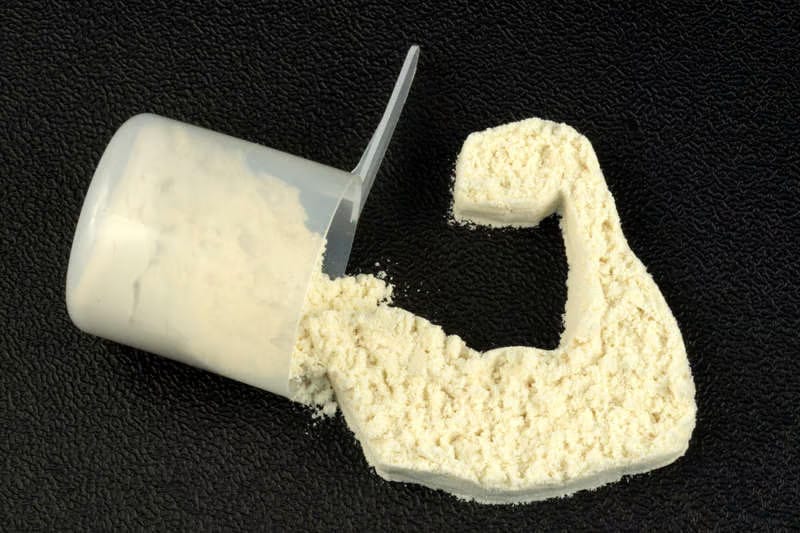
Whey protein is a popular choice for folks who want to consume more protein quickly and easily. Along with casein, it’s one of the main proteins found in dairy products and is a natural byproduct of cheese and yogurt making. It’s also rich in essential amino acids, which are building blocks for many processes within the body, including building muscle.
In this comprehensive guide, we’ll answer the top 8 most frequently asked questions about whey protein to help you make informed decisions about incorporating it into your diet.
1. What Does Whey Protein Do?
Whey protein serves multiple purposes in the realm of health and fitness:
- Muscle Building: Whey protein is loaded with essential amino acids, particularly leucine, which plays a crucial role in muscle protein synthesis. This makes it a favorite among athletes and bodybuilders aiming to gain muscle mass.
- Weight Management: High protein intake can increase satiety, helping you feel full longer and potentially aiding in weight loss by reducing overall calorie consumption.
- Recovery: Post-workout, whey protein helps repair and build muscles that have been stressed during exercise, speeding up recovery time.
- Immune Support: Whey protein contains immunoglobulins and lactoferrin, which can support immune function.
2. How Much Whey Protein Should You Use a Day?
The amount of whey protein you should consume daily depends on your individual needs, such as your total protein requirements, activity level, and dietary goals. Here are some general guidelines:
- General Population: For those who are not heavily active, 0.8 grams of protein per kilogram of body weight is recommended. If whey protein is your primary source of protein, adjust this based on your total dietary intake.
- Athletes and Bodybuilders: Individuals engaged in regular strength training or intense physical activity might need around 1.2 to 2.2 grams of protein per kilogram of body weight. Whey protein can help meet these higher protein demands.
- Consult a Professional: Always consider consulting with a healthcare provider or a registered dietitian to determine the right amount for you.
3. When Should You Take Whey Protein?
Timing your whey protein intake can help maximize its benefits:
- Post-Workout: Consuming whey protein within 30 minutes to an hour after your workout can help kick-start muscle recovery and growth.
- Morning: Drinking a whey protein shake in the morning can provide your body with essential amino acids after an overnight fast.
- Between Meals: Whey protein can be a convenient snack to boost your protein intake throughout the day and keep you feeling full between meals.

See other posts like this one:



Wednesday, September 11, 2024
Busy Life, Fitter You No Gym Required for This 15-Minute Full-Body Workout

Wednesday, September 11, 2024
The Great Debate: Walking vs. Jogging for Your Fitness Journey



Monday, September 09, 2024
From Pain Relief to Performance Boost: How Kinesiology Tape Works






Friday, September 06, 2024
Why “Cage-Free” Eggs Are Misleading — And the Eggs With 10x to 22x More Omega-3s